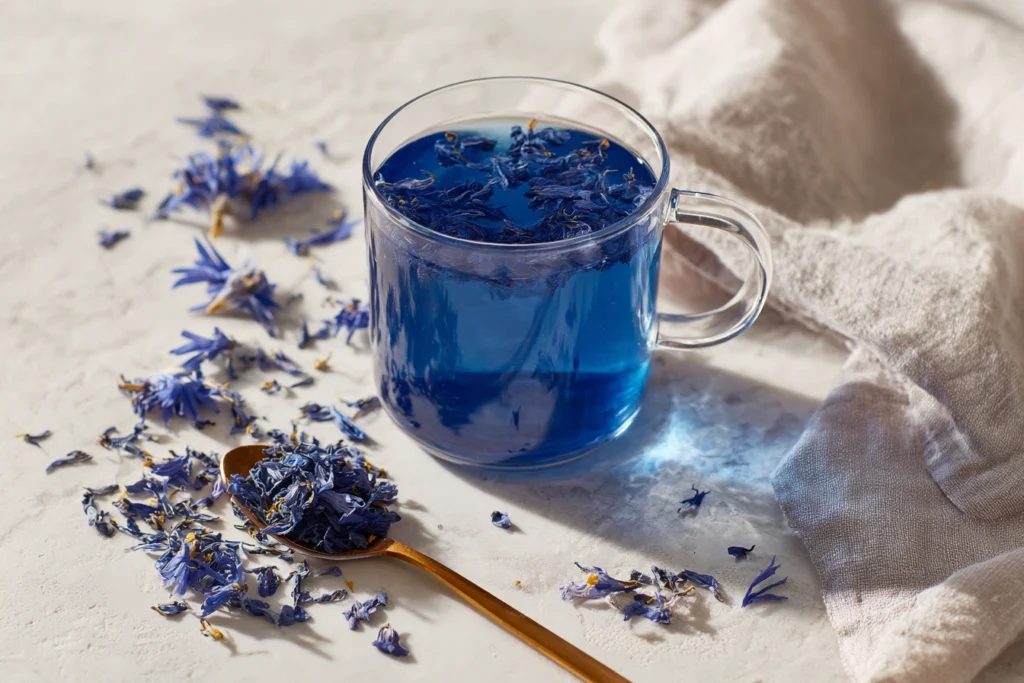
Few herbal drinks are as visually captivating and naturally soothing as butterfly pea flower tea. Known for its deep sapphire color and its magical ability to change hues when citrus is added, this caffeine-free infusion has become a favorite among tea lovers, wellness enthusiasts, and creative home cooks around the world.
But butterfly pea flower tea is far more than a beautiful beverage. Rooted in centuries of traditional use, it offers a gentle flavor, impressive antioxidant properties, and endless versatility in both drinks and recipes. In this complete guide, you’ll learn exactly what butterfly pea flower tea is, how to make it perfectly at home, why it changes color, and how to enjoy it in both classic and creative ways.
What Is Butterfly Pea Flower Tea?
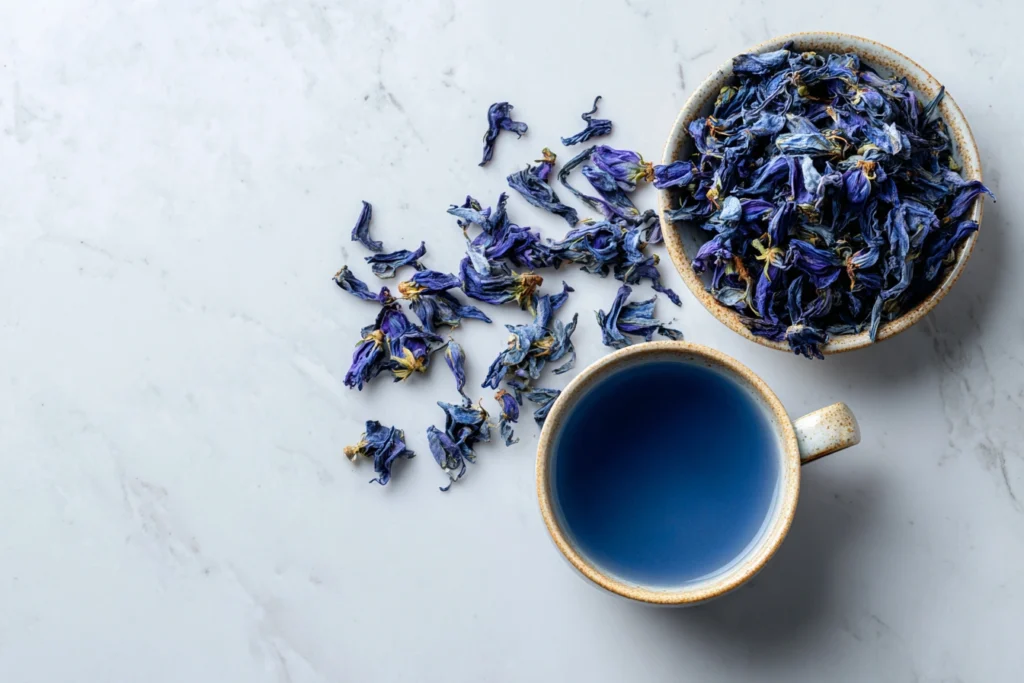
Butterfly pea flower tea is an herbal infusion made from the dried petals of the butterfly pea plant, a flowering vine native to Southeast Asia. When steeped in hot water, the petals release a rich blue pigment, creating a naturally vibrant tea without any artificial coloring.
Unlike traditional black or green tea, butterfly pea flower tea is completely caffeine-free. Its flavor is mild, earthy, and slightly grassy, making it an ideal base for both sweet and savory infusions. Because of its neutral taste, it pairs beautifully with honey, lemon, ginger, mint, or even milk.
For generations, butterfly pea flower tea has been enjoyed not only as a drink but also as a natural food coloring in rice dishes, desserts, and beverages. Today, it has gained global attention for its stunning appearance and wellness-focused appeal.
A Brief History and Cultural Background
The use of butterfly pea flowers dates back hundreds of years in countries such as Thailand, Vietnam, Malaysia, and Indonesia. Traditionally, the flowers were harvested, dried, and used in teas, ceremonial drinks, and cooking.
In Thai culture, butterfly pea flower tea is commonly served after meals or offered as a welcoming refreshment. In Malaysian and Indonesian cuisine, the flowers are used to color rice dishes, giving them a striking blue hue that symbolizes celebration and care.
Beyond culinary use, butterfly pea flowers were historically valued in herbal traditions for their calming properties and association with mental clarity. This long-standing cultural significance is one of the reasons butterfly pea flower tea continues to be cherished today.
Why Butterfly Pea Flower Tea Changes Color
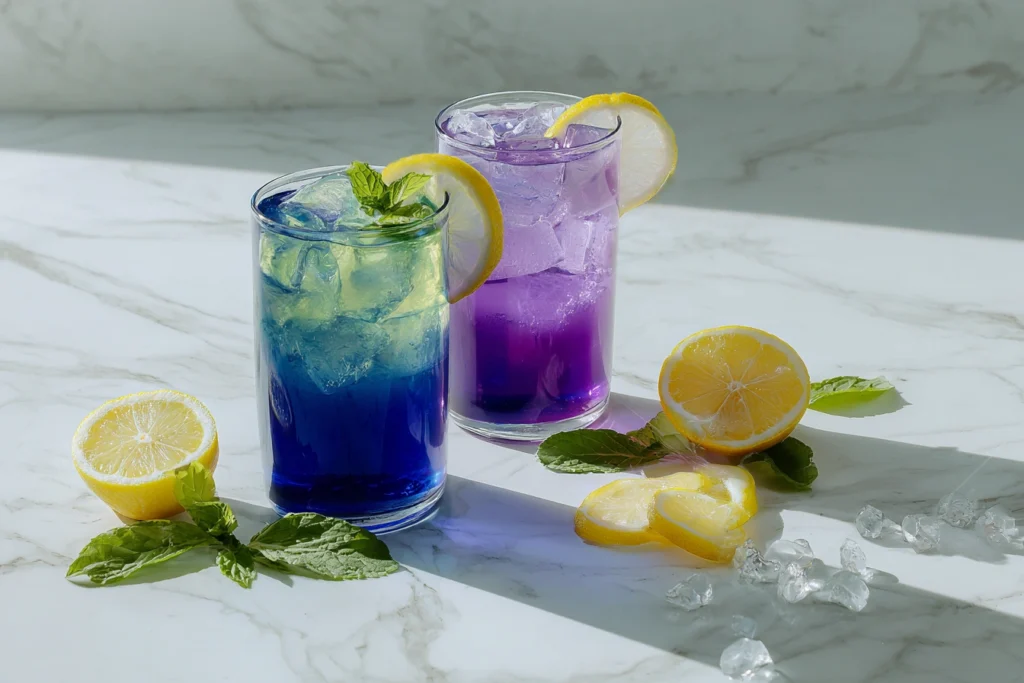
One of the most fascinating aspects of butterfly pea flower tea is its natural color-changing ability. When brewed on its own, the tea appears a deep blue. However, when acidic ingredients such as lemon or lime juice are added, the color shifts dramatically to purple or violet.
This transformation happens because the flowers contain anthocyanins, natural plant pigments that respond to changes in pH levels. Acidic conditions alter the molecular structure of these pigments, resulting in a visible color change.
This natural reaction makes butterfly pea flower tea especially popular for creative drinks, layered beverages, and visually striking presentations. It’s not only beautiful but also a wonderful example of nature’s chemistry at work.
How to Make Butterfly Pea Flower Tea at Home
Making butterfly pea flower tea is simple, quick, and requires very few ingredients. Whether you prefer it hot or iced, the process remains easy and adaptable.
Classic Hot Butterfly Pea Flower Tea
Ingredients:
- 1–2 teaspoons dried butterfly pea flowers (or 4–6 whole blossoms)
- 1 cup boiling water
- Optional sweetener (honey or sugar)
- Optional lemon or lime juice
Instructions:
- Place the dried butterfly pea flowers into a teapot or heat-resistant cup.
- Pour boiling water over the flowers.
- Allow the tea to steep for 5 to 10 minutes, until the water turns a deep blue color.
- Strain out the flowers.
- Sweeten to taste if desired.
- Add lemon or lime juice if you want the color to shift from blue to purple.
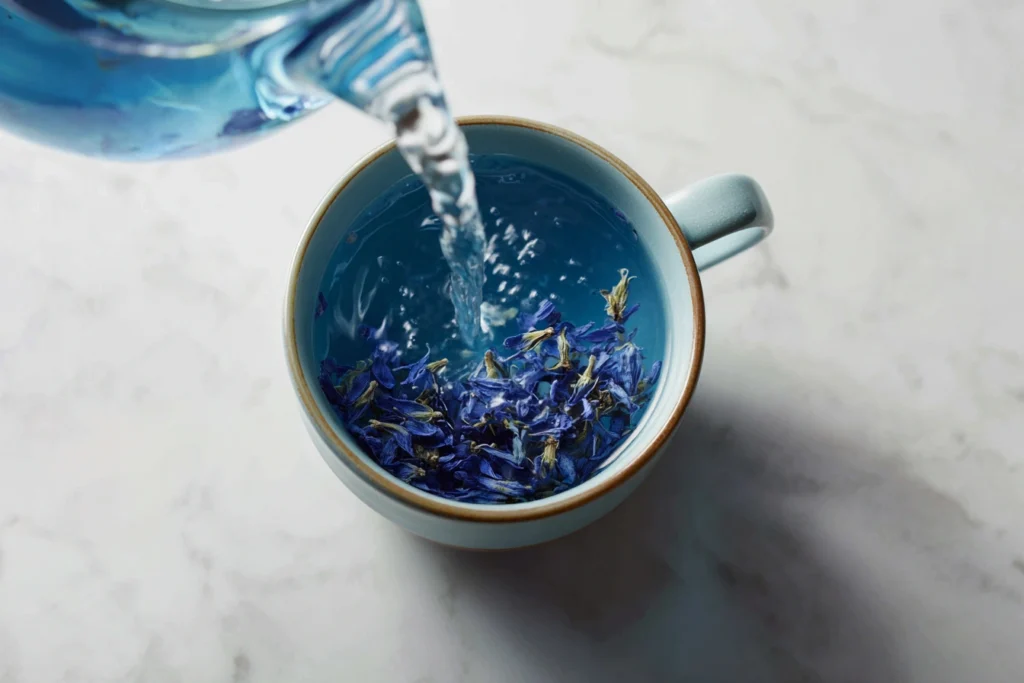
The longer you steep butterfly pea flower tea, the deeper the color becomes. Flavor remains mild even with longer steeping times.
Iced Butterfly Pea Flower Tea
For a refreshing version, iced butterfly pea flower tea is an excellent choice.
- Brew the tea using the hot method above.
- Let it cool to room temperature.
- Pour over a glass filled with ice.
- Add fresh lemon juice, mint leaves, or a touch of honey.
This version is especially popular in warm weather and makes a beautiful, hydrating drink throughout the day.
Flavor Profile and Pairing Ideas
Butterflyy pea flower tea has a very gentle flavor, which is one of its strengths. It allows the tea to act as a canvas for other ingredients without overpowering them.
Popular flavor pairings include:
- Lemon or lime for brightness and color change
- Honey for natural sweetness
- Ginger for warmth and spice
- Mint for freshness
- Vanilla for a soft, comforting note
- Coconut milk or almond milk for a creamy variation
Because butterfly pea flower tea is so adaptable, it works well in both traditional tea preparations and modern beverage creations.
Creative Ways to Use Butterfly Pea Flower Tea
Beyond a simple cup of tea, butterfly pea flower tea can be used in a variety of creative and visually stunning ways.
Color-Changing Lemonade
Mix brewed butterflyy pea flower tea with homemade lemonade. As the lemon juice blends in, the drink transforms from blue to purple, creating a dramatic and refreshing beverage.
Butterfly Pea Flower Tea Latte
Combine brewed tea with warm milk or a plant-based alternative. Add a touch of honey or vanilla for a soothing, café-style drink.
Ice Cubes and Desserts
Freeze butterfly pea flower tea into ice cubes and add them to clear drinks for a gradual color-changing effect. It can also be incorporated into desserts such as jellies, puddings, and baked goods as a natural blue coloring.
If you enjoy herbal infusions with comforting depth, this aromatic option is well worth trying
Potential Health Benefits of Butterfly Pea Flower Tea
While butterflyy pea flower tea is most famous for its appearance, it is also valued for its potential wellness benefits.
Rich in Antioxidants
Butterfly pea flowers contain anthocyanins, which are powerful antioxidants. These compounds help protect the body from oxidative stress and support overall cellular health.
Calming and Relaxing
Traditionally, butterfly pea flower tea has been used as a calming drink. Many people enjoy it in the evening as part of a relaxing routine.
Skin and Hair Support
The antioxidants found in butterfly pea flower tea are often associated with supporting healthy skin and hair, contributing to a natural glow when enjoyed regularly as part of a balanced lifestyle.
It’s important to note that butterflyy pea flower tea is not a medicine, but rather a gentle herbal beverage that complements a healthy routine.
To complement light beverages, these wholesome crackers make an excellent everyday choice.
Is Butterfly Pea Flower Tea Safe?
For most people, butterflyy pea flower tea is considered safe when consumed in moderation. Because it is caffeine-free, it can be enjoyed at any time of day.
However, as with any herbal product:
- Start with small amounts if trying it for the first time.
- Consult a healthcare professional if you are pregnant, breastfeeding, or managing a medical condition.
- Use high-quality, food-grade dried flowers to ensure purity.
Why Butterfly Pea Flower Tea Deserves a Place in Your Kitchen
Butterflyy pea flower tea offers a rare combination of beauty, simplicity, and versatility. Its vivid color turns an ordinary drink into a memorable experience, while its mild taste allows endless customization.
Whether you enjoy it hot on a quiet morning, iced on a summer afternoon, or transformed into a creative beverage for guests, butterfly pea flower tea brings both elegance and enjoyment to your table.
With its deep cultural roots, potential wellness benefits, and undeniable visual appeal, butterflyy pea flower tea is more than just a trend — it’s a timeless herbal infusion worth savoring.
Frequently Asked Questions
What is butterfly pea flower tea good for?
Butterfly pea flower tea is mainly valued for its antioxidant content and calming properties. It is often enjoyed to support relaxation, hydration, and overall wellness while offering a naturally caffeine-free alternative to traditional teas.
Is butterfly pea tea good for weight loss?
Butterfly pea flower tea may support weight-loss efforts indirectly. It contains no calories when unsweetened and can help reduce cravings for sugary drinks, making it a helpful addition to a balanced diet and healthy lifestyle.
How do you make butterfly pea flower tea?
To make butterfly pea flower tea, steep dried butterfly pea flowers in hot water for 5–10 minutes until the liquid turns deep blue. Strain, then enjoy as is or add lemon juice for a natural color change.
Is it safe to drink butterfly pea flower tea every day?
For most people, drinking butterfly pea flower tea daily in moderate amounts is considered safe. As with any herbal tea, it’s best to enjoy it in balance and consult a healthcare professional if you have specific health concerns.
This article draws inspiration from well-regarded culinary sources, including this detailed guide
Sarah is the recipe creator behind Diamond Meals. She shares easy homemade recipes made with simple ingredients, clear instructions, and practical cooking tips. Her goal is to help home cooks prepare delicious meals, desserts, drinks, and appetizers with confidence.