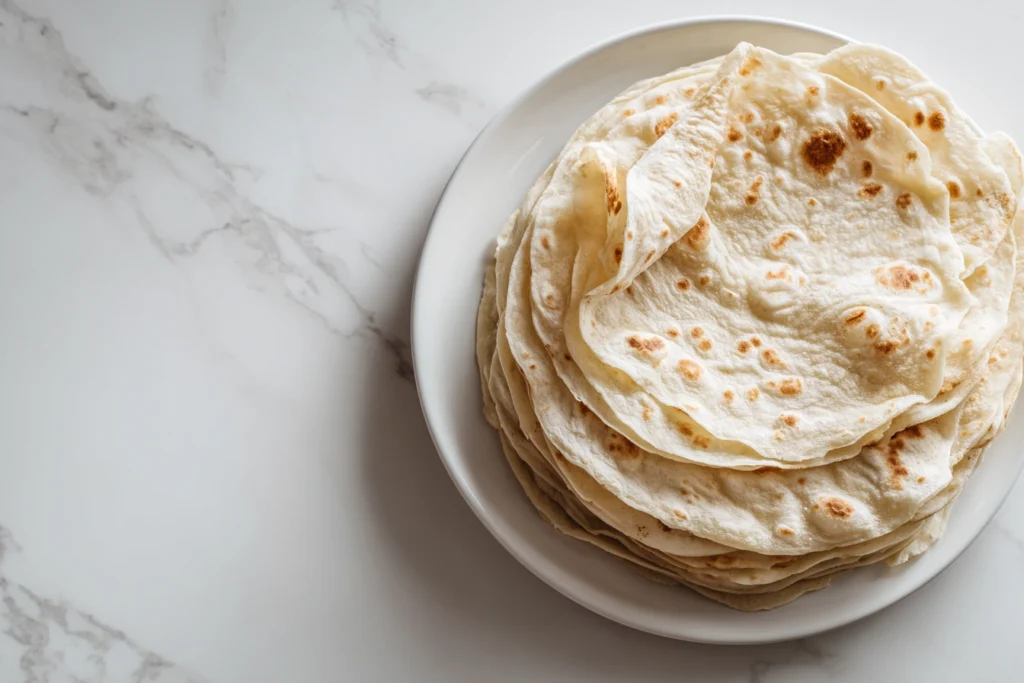
Low carb wraps are an essential staple for anyone looking to reduce carbohydrates without giving up the convenience and enjoyment of wraps, tortillas, and flatbreads. Whether your goal is weight management, blood sugar control, or following a ketogenic lifestyle, low carb wraps make it easy to enjoy satisfying meals while staying within your nutritional goals. From breakfast to dinner, they fit seamlessly into everyday cooking.
This guide explores everything you need to know about low carb wraps, including what they are, why homemade versions are ideal, how to prepare them successfully, and the many ways they can be used in daily meals.
What Are Low Carb Wraps?
Low carb wraps are alternatives to traditional wheat-based tortillas that significantly reduce carbohydrate content while preserving softness, flexibility, and structure. Standard flour tortillas often contain between 20 and 30 grams of carbohydrates per serving. In comparison, well-prepared low carb wraps typically contain fewer than 5 grams of net carbs.
These wraps are usually made with ingredients such as coconut flour, almond flour, egg whites, eggs, or fiber-rich binders. The goal is to replace refined grains with low-glycemic ingredients that still allow the wrap to bend, roll, and hold fillings without breaking.
Because of their composition, low carb wraps are suitable for ketogenic, gluten-free, diabetic-friendly, and low-glycemic diets.
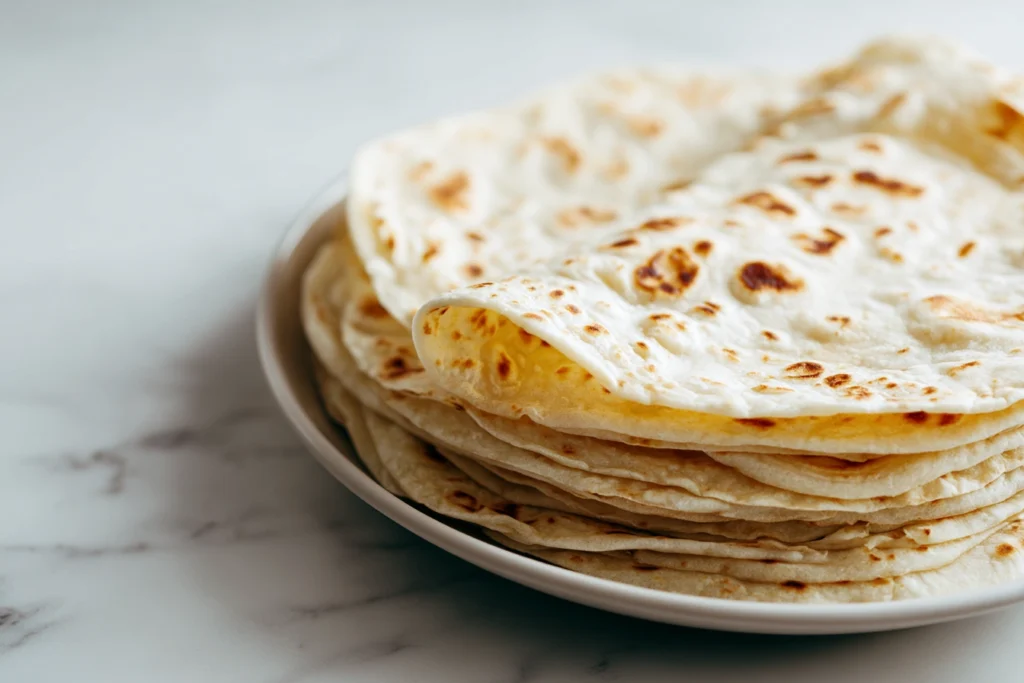
Why Homemade Low Carb Wraps Are the Best Choice
Although packaged versions exist, homemade low carb wraps offer clear advantages.
Ingredient Transparency
Preparing low carb wraps at home ensures complete control over ingredients. There are no hidden starches, added sugars, or preservatives. This is especially important for those following strict dietary protocols.
Superior Texture
Freshly cooked low carb wraps are generally softer and more flexible than store-bought alternatives. Homemade versions are less likely to crack or dry out when folded or rolled.
Cost Efficiency
Making low carb wraps at home is often more economical than purchasing specialty products, particularly when cooking in batches.
Customization
Homemade wraps can be tailored for neutral, savory, or lightly seasoned flavors depending on how they will be used.
Key Ingredients Used in Low Carb Wraps
Most low carb wraps rely on a small group of essential ingredients, each serving a specific purpose.
- Coconut flour or almond flour: Low in carbohydrates and naturally gluten-free
- Eggs or egg whites: Provide structure and flexibility
- Liquid (water or broth): Creates a smooth, pourable batter
- Fiber binders (optional): Improve elasticity and durability
- Healthy fats: Prevent sticking and improve mouthfeel
Coconut flour is particularly popular because of its ability to absorb liquid and create soft yet sturdy wraps when combined with eggs.
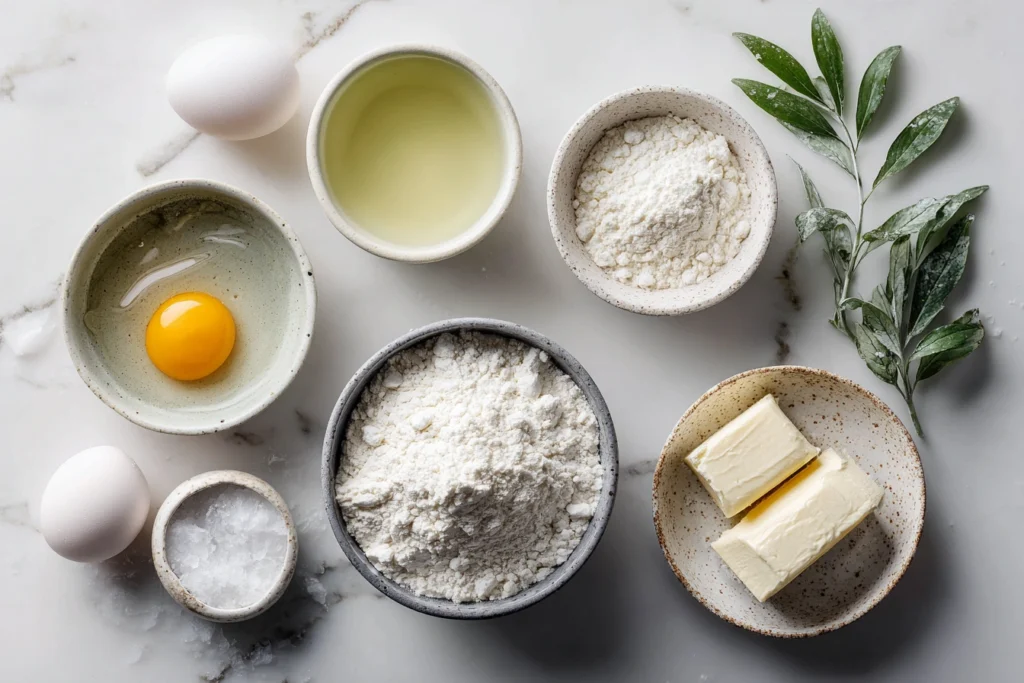
Basic Homemade Low Carb Wrap Recipe
This simple recipe yields soft, flexible low carb wraps suitable for wraps, burritos, or tacos.
Ingredients (8–12 wraps)
- 8 large egg whites
- ⅓ cup coconut flour
- 10 tablespoons water
- ¼ teaspoon baking powder
- Pinch of salt (optional)
Instructions
- In a bowl, whisk the egg whites until smooth.
- Add coconut flour, baking powder, salt, and water. Mix until a thin batter forms.
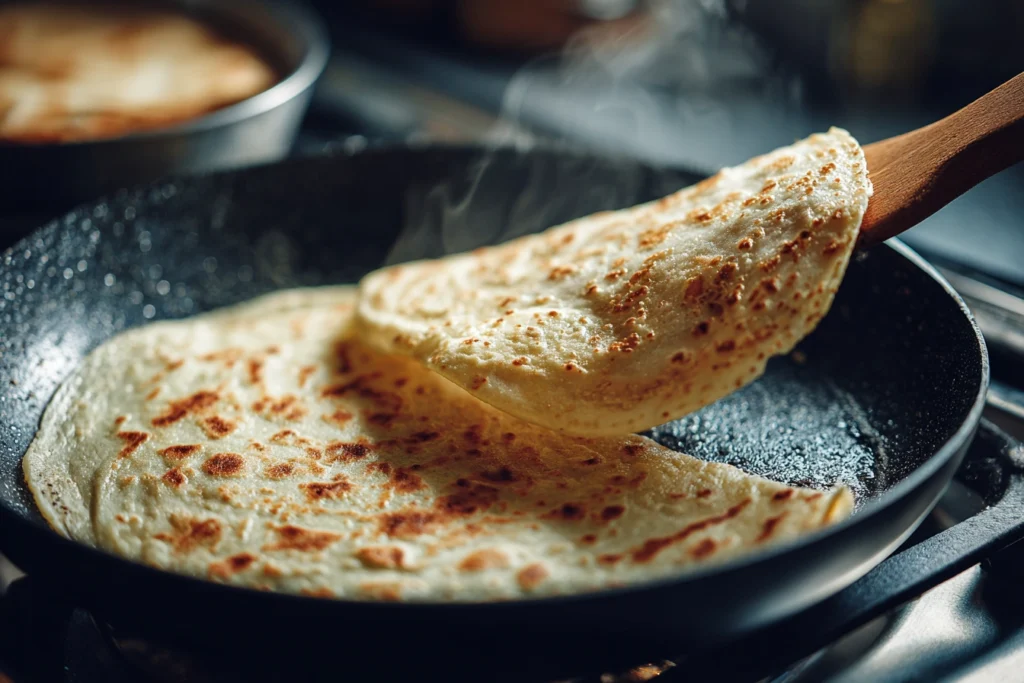
- Heat a non-stick skillet over low to medium heat and lightly grease it.
- Pour a small amount of batter into the pan and swirl to form a thin circle.
- Cook gently until set, then carefully flip and cook briefly on the other side.
- Repeat until all batter is used.
Stack the finished low carb wraps between sheets of parchment paper to keep them soft.
Common Mistakes and How to Avoid Them
Many first-time cooks encounter issues when making low carb wraps. These problems are easy to fix.
- Wraps tearing: Batter may be too thick or heat too high
- Dry texture: Overcooking or insufficient liquid
- Lack of flexibility: Wraps cooked too thin or without enough egg content
Cooking slowly and keeping the batter thin but fluid produces the best results.
Variations of Low Carb Wraps
There are many creative ways to prepare low carb wraps using different ingredient combinations.
Egg-Based Wraps
Made with eggs or egg whites only, these wraps are thin, high in protein, and ideal for breakfast or light meals.
Vegetable-Enhanced Wraps
Zucchini, spinach, or cauliflower can be added for extra nutrients without increasing carbohydrates significantly.
Lettuce Wraps
While not traditional wraps, lettuce leaves serve as a fresh, carb-free alternative for quick meals.
Each variation maintains the core principle of low carb wraps: minimal carbohydrates with maximum usability.
How to Use Low Carb Wraps in Daily Meals
Low carb wraps can replace bread and tortillas in countless dishes.
Breakfast
Fill with eggs, cheese, and vegetables for a filling start to the day.
Lunch
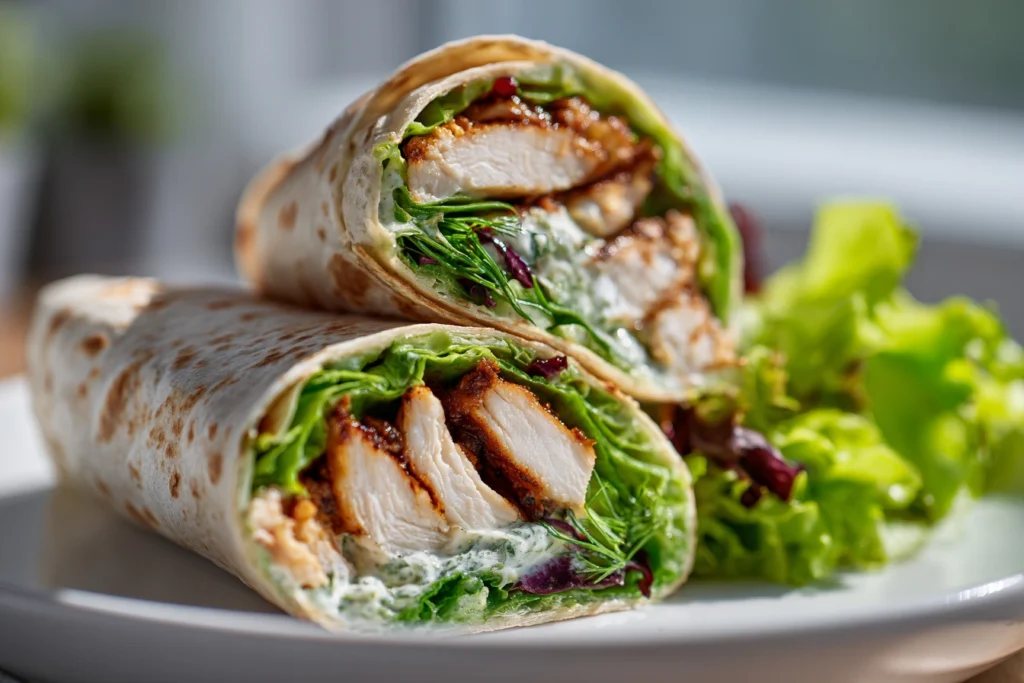
Use low carb wraps for chicken, turkey, or tuna wraps paired with fresh greens.
Dinner
They work well for tacos, fajitas, quesadillas, or wrap-style sandwiches.
Snacks
Bake cut wraps into crisp pieces or roll and slice them into pinwheels.
Because they reheat well, low carb wraps are excellent for meal preparation.
Storage and Meal Prep Tips
To maintain freshness and flexibility:
- Store in the refrigerator for up to 4 days
- Freeze between parchment layers for longer storage
- Reheat gently to restore softness
Avoid overheating, which can cause the wraps to become brittle.
Health Benefits of Low Carb Wraps
Replacing traditional tortillas with low carb wraps may help support stable blood sugar levels and improved satiety. Lower carbohydrate intake can reduce post-meal energy crashes and support weight management goals.
These wraps are often higher in protein and fiber, helping you feel fuller for longer while maintaining steady energy levels.
Homemade vs Store-Bought Low Carb Wraps
Store-bought options are convenient, but homemade low carb wraps generally provide better ingredient quality and texture. Preparing them at home allows full control over thickness, flavor, and freshness.
For many people, learning to make loww carb wraps becomes a valuable kitchen skill that supports long-term healthy eating.
Frequently Asked Questions
Which wraps are lowest in carbs?
The lowest-carb wraps are usually made from egg whites, coconut flour, or fiber-rich ingredients like psyllium husk. Lettuce wraps are the lowest overall since they contain almost no carbohydrates.
Can I eat wraps on a low carb diet?
Yes. Wraps can fit into a low carb diet as long as they are made without wheat flour or refined grains. Low carb wraps are specifically designed to reduce carbohydrates while remaining flexible and filling.
Do 0 carb tortillas exist?
True zero-carb tortillas do not naturally exist. Some products are labeled “zero carb” due to high fiber content, but they still contain minimal total carbohydrates. Lettuce or vegetable leaves are the closest natural alternative.
Which bread is lowest in carbs?
Breads made with almond flour, coconut flour, or high fiber blends are typically the lowest in carbs. Compared to traditional bread, these options significantly reduce carbohydrate intake.
Final Thoughts
Loww carb wraps offer a practical, satisfying alternative to traditional tortillas without compromising flexibility or taste. With simple ingredients and careful cooking, they can be used for breakfast, lunch, dinner, and snacks. Once mastered, low carb wraps quickly become a reliable staple in any low-carb kitchen.
This article is informed by carefully selected external references, including respected resources such as this in-depth guide.

Sarah is the recipe creator behind Diamond Meals. She shares easy homemade recipes made with simple ingredients, clear instructions, and practical cooking tips. Her goal is to help home cooks prepare delicious meals, desserts, drinks, and appetizers with confidence.