
The combination of baking soda and apple cider vinegar has long been used in cooking, baking, and traditional home practices. These two simple ingredients are found in most kitchens and are valued for their versatility, affordability, and unique chemical interaction. While some people associate baking soda and apple cider vinegar with health trends, their most reliable and well-established uses remain culinary.
This article explores how baking soda and apple cider vinegar work together in recipes, explains the science behind their reaction, and provides a cautious overview of their occasional use in beverages. The focus is on safe, informed use rather than exaggerated claims, making this guide suitable for food blogs, lifestyle websites, and educational platforms.
Understanding the Two Ingredients
To use baking soda and apple cider vinegar properly, it is important to understand the role of each ingredient.
Baking Soda
Baking soda, or sodium bicarbonate, is an alkaline compound commonly used as a leavening agent. When combined with an acid, it produces carbon dioxide gas, which helps doughs and batters rise. Baking soda is powerful, meaning only small amounts are needed in recipes.
Because baking soda contains sodium and influences acid–base balance, it should always be used with precision, especially outside of baking.
Apple Cider Vinegar
Apple cider vinegar is made by fermenting apples into alcohol and then into acetic acid. It has a sharp, tangy flavor and is widely used in dressings, marinades, sauces, and pickling. In recipes, apple cider vinegar adds brightness and depth without overpowering other ingredients.
Nutritionally, apple cider vinegar is often discussed in relation to digestion and blood sugar response, though these effects are generally modest.

The Science Behind Baking Soda and Apple Cider Vinegar
When baking soda and apple cider vinegar are mixed, a chemical reaction occurs immediately. The acidic vinegar reacts with the alkaline baking soda, releasing carbon dioxide gas. This reaction causes fizzing and bubbling.
In cooking, this reaction is useful because it:
- Creates lift in baked goods
- Improves texture
- Reduces sharp acidity
- Replaces yeast or eggs in some recipes
Once the reaction is complete, the mixture becomes closer to neutral in taste and acidity.
Culinary Uses of Baking Soda and Apple Cider Vinegar
Baking Applications
The most common and reliable use of baking soda and apple cider vinegar is in baking. This combination is especially popular in:
- Vegan cakes and muffins
- Pancakes and waffles
- Quick breads
- Chocolate and cocoa-based desserts
Apple cider vinegar activates the baking soda without leaving a noticeable vinegar flavor when measured correctly.
Savory Cooking
Apple cider vinegar is often used to enhance savory dishes, adding balance and brightness. Baking soda may occasionally be used in very small amounts to soften legumes or reduce bitterness in vegetables, though excessive use should be avoided to preserve nutrients.
Food Preparation and Kitchen Use
Outside of cooking, baking soda and apple cider vinegar are commonly used separately in food preparation to clean produce, neutralize odors, and maintain kitchen surfaces. These uses are non-culinary but highlight the versatility of both ingredients.
Baking Soda and Apple Cider Vinegar Drink Recipe
⚠️ This recipe is for informational purposes only and should not be consumed regularly.
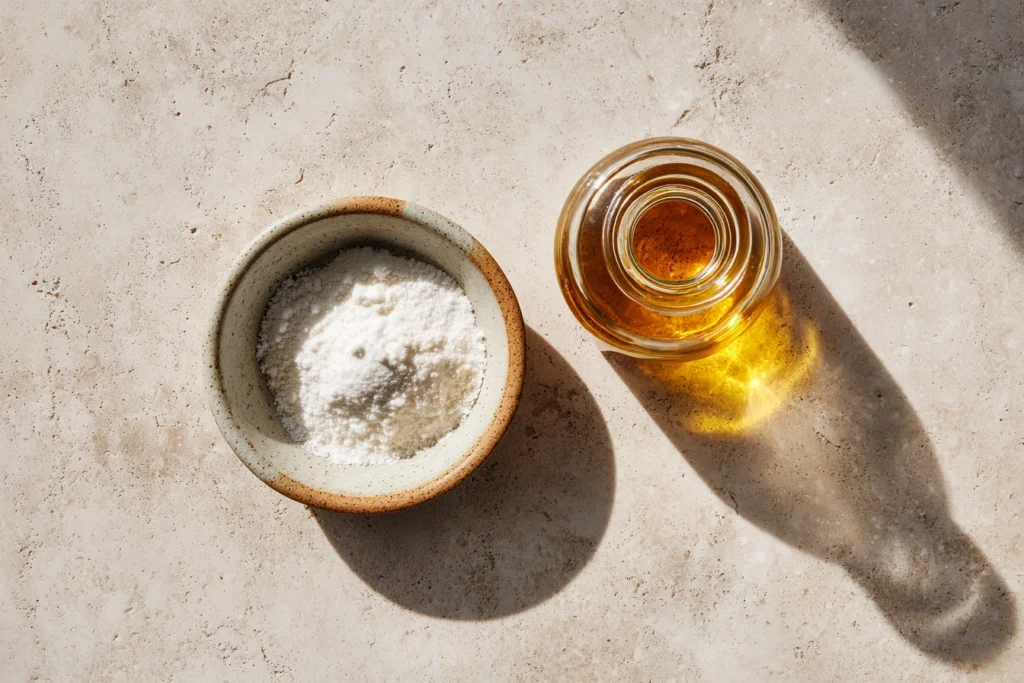
Ingredients
- 1 cup warm water
- 1 tablespoon apple cider vinegar
- A very small pinch of baking soda
Instructions
- Pour warm water into a glass.
- Stir in the apple cider vinegar.
- Add a very small pinch of baking soda.
- Allow the fizzing to stop completely.
- Stir again and sip slowly.
This simple drink demonstrates the reaction between baking soda and apple cider vinegar and results in a milder flavor than vinegar alone.

Taste and Texture
The drink made with baking soda and apple cider vinegar has a lightly tangy taste with reduced sharpness. Some people find it smoother than diluted vinegar on its own. Optional additions like a small amount of honey or cinnamon may improve palatability.
Health Context: A Cautious Overview
Digestive Sensation
Apple cider vinegar may stimulate digestive secretions in some individuals. Baking soda temporarily neutralizes acidity. When combined, baking soda and apple cider vinegar may feel gentler on the stomach for certain people, though experiences vary.
Blood Sugar Considerations
Some studies associate apple cider vinegar with a reduced blood sugar response after meals. Baking soda does not contribute to this effect and should not be used for metabolic purposes.
Clarifying Common Misconceptions
A frequent claim is that baking soda and apple cider vinegar “alkalize the body.” In reality, the human body regulates blood pH very tightly. Diet does not override this system.
Safety and Responsible Use
Using baking soda and apple cider vinegar incorrectly can cause side effects.
- Baking soda contains sodium and may affect blood pressure
- Excess intake may cause bloating or nausea
- Vinegar can irritate teeth and the throat if undiluted
- Regular ingestion of baking soda is not recommended
People with kidney disease, heart conditions, digestive disorders, or those who are pregnant should avoid consuming baking soda unless advised by a professional.
Frequency of Use
For baking and cooking, baking soda and apple cider vinegar are safe when used according to recipes.
For beverages, use should be occasional rather than routine. This mixture is not intended for daily or long-term consumption.
Alternatives Without Baking Soda
If the goal is flavor or gentle digestive comfort, alternatives include:
- Diluted apple cider vinegar alone
- Lemon water
- Herbal teas
- Fermented foods
These options avoid the risks associated with baking soda ingestion.
Frequently Asked Questions
Do baking soda and apple cider vinegar cancel each other out?
No. Their reaction is what makes them useful, especially in baking.
Are baking soda and apple cider vinegar effective for weight loss?
There is no strong scientific evidence supporting this claim.
Is long-term use safe?
Long-term consumption of baking soda is not recommended.
What is the baking soda and apple cider vinegar trick?
The baking soda and apple cider vinegar trick refers to mixing a small amount of baking soda with diluted apple cider vinegar to create a fizzing reaction. This reaction neutralizes acidity and is commonly used in baking, while some people also try it occasionally as a homemade drink. It should be used cautiously and not as a daily habit.
What is the difference between bicarbonate of soda and baking soda?
There is no difference between bicarbonate of soda and baking soda. They are two names for the same compound, sodium bicarbonate. The term “bicarbonate of soda” is more common in British and European English, while “baking soda” is used in American English.
How do I take apple cider vinegar?
Apple cider vinegar is typically taken diluted in water, usually one tablespoon in a glass of water. It can also be used in salad dressings, marinades, or sauces. Drinking it undiluted is not recommended because it can irritate the throat and damage tooth enamel.
Why apple cider vinegar?
Apple cider vinegar is valued for its acidic nature and fermented origin. In cooking, it enhances flavor and balance. From a health perspective, it is often chosen because it may support digestion and help moderate blood sugar responses when used occasionally and in moderation.
Final Thoughts
Baking soda and apple cider vinegar are best understood as practical kitchen ingredients rather than health cures. Their pairing is extremely effective in baking and useful in small, controlled culinary applications. When used in beverages, moderation and caution are essential.
By approaching baking soda and apple cider vinegar with realistic expectations and proper measurements, they can remain valuable tools in the kitchen without unnecessary risk.
This article has been informed by insights drawn from well-established nutritional and scientific resources, which help provide additional context and depth.