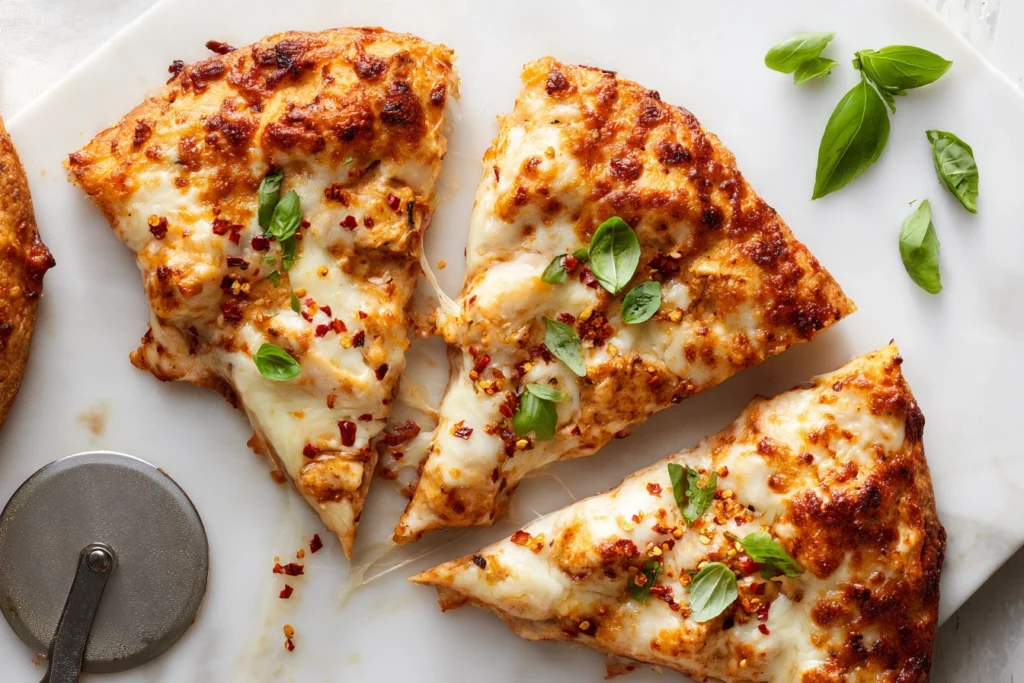
If you love pizza but want something lighter and more nourishing, this protein pizza recipe offers a delicious alternative. Instead of using a traditional flour dough, this version features a savory chicken-based crust that delivers flavor, structure, and impressive protein content. A well-made protein pizza keeps the comforting essence of classic pizza while supporting balanced eating habits and modern nutrition goals.
Many home cooks are turning toward creative high-protein meals that feel satisfying without being heavy. A protein pizza achieves that balance by combining simple ingredients with smart cooking techniques. The result is a crispy, cheesy dish that feels indulgent while still aligning with a more mindful lifestyle.
Why Protein Pizza Is Becoming a Favorite Choice
The popularity of protein pizza continues to grow because it blends convenience with nutritional benefits. Unlike traditional dough recipes that require time for rising and shaping, this crust comes together quickly using ground chicken, egg, cheese, and seasoning. This streamlined preparation makes protein pizza an appealing option for busy weeknights or quick meal prep.
Another reason people love protein pizza is its versatility. You can adjust flavors, toppings, and seasonings to suit your preferences. Some prefer a classic tomato and mozzarella combination, while others enjoy bold spices, fresh herbs, or roasted vegetables. Regardless of how you customize it, the core idea of protein pizza remains the same: a satisfying dish that prioritizes protein without sacrificing taste.
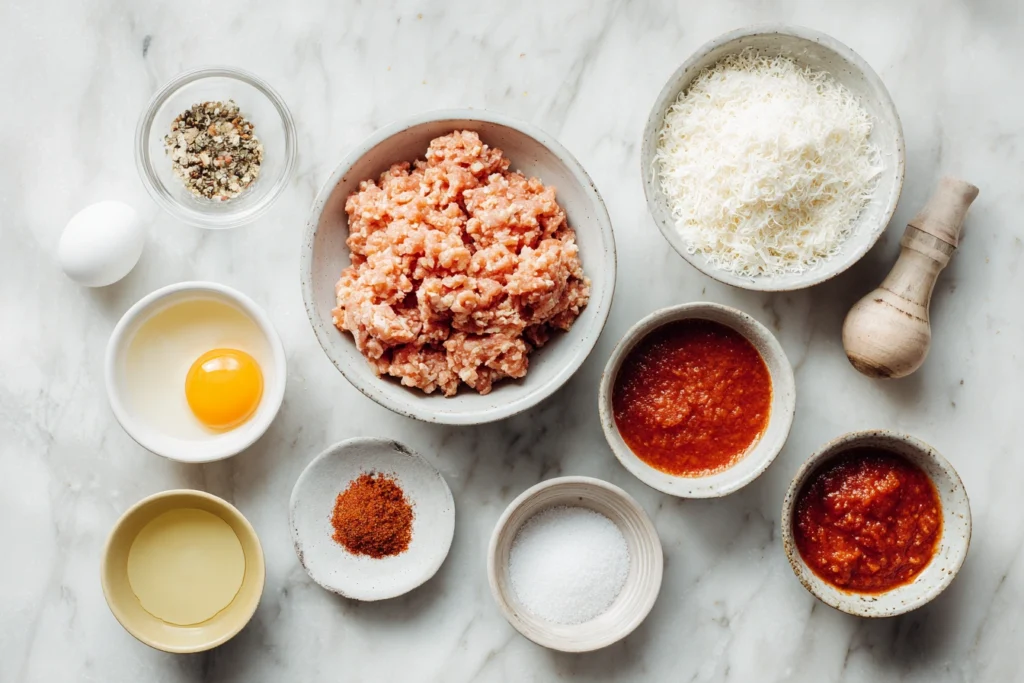
Ingredients for a Flavorful Protein Pizza
Chicken Crust Base
- 1 pound ground chicken
- 1 large egg
- ½ cup grated Parmesan cheese
- ½ cup shredded mozzarella
- 1 teaspoon Italian seasoning
- 1 teaspoon garlic powder
- ½ teaspoon salt
- ¼ teaspoon black pepper
The combination of egg and cheese helps the chicken form a cohesive crust, while the seasoning creates a familiar pizza aroma.
Toppings
- ½–1 cup tomato-based pizza sauce
- 1–2 cups shredded mozzarella
- Sliced bell peppers or cherry tomatoes
- Mushrooms or olives
- Fresh basil or parsley
- Chili flakes or hot honey (optional)
Choosing balanced toppings helps maintain the structure of your protein pizza while enhancing flavor.
Step-by-Step Instructions for Protein Pizza
Prepare the Chicken Mixture
In a large bowl, combine ground chicken, egg, Parmesan cheese, mozzarella, and seasonings. Mix until fully combined. The texture should be smooth and slightly sticky, allowing you to spread it easily onto parchment paper.
Shape the Crust
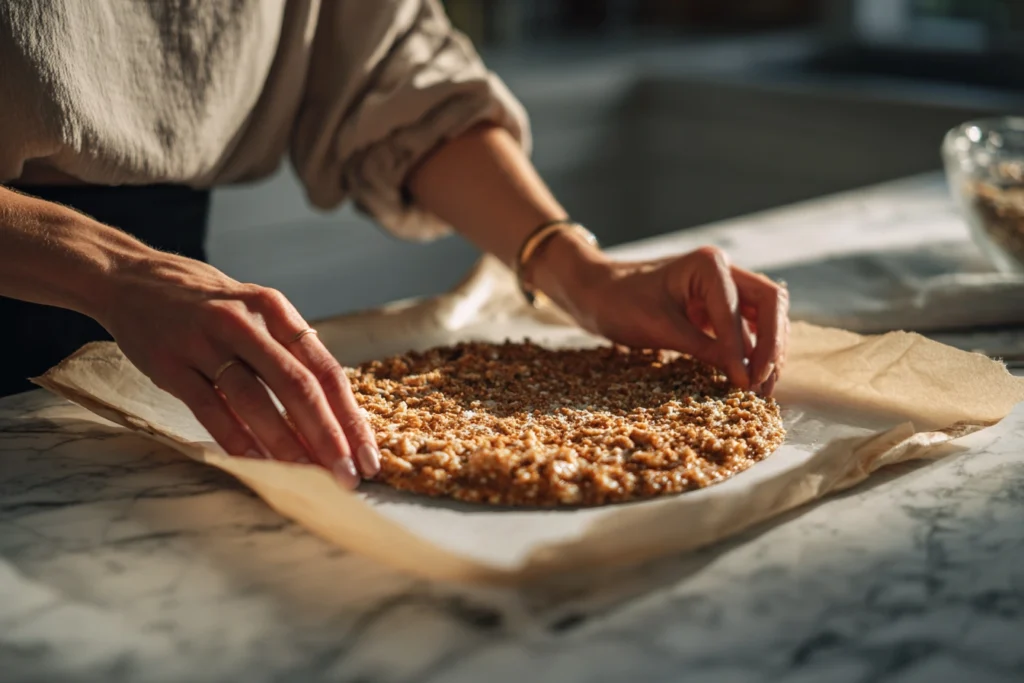
Line a baking sheet with parchment paper. Spread the mixture into a thin round or rectangle, about a quarter-inch thick. Keeping the crust thin ensures that the protein pizza cooks evenly and develops a firm texture.
Pre-Bake the Crust
Preheat the oven to 400–425°F (200–220°C). Bake the crust alone for about 20 minutes until it becomes lightly golden and firm. Pre-baking is essential for any protein pizza because it prevents the base from becoming soggy once toppings are added.
Allow the crust to rest briefly before moving to the next step.
Add Sauce and Toppings
Spread a thin layer of pizza sauce across the surface. Add mozzarella and your chosen toppings evenly. Avoid overloading the pizza, as excess moisture can soften the crust.
Final Bake
Return the protein pizza to the oven and bake for another 8–12 minutes until the cheese melts and bubbles. For extra color, broil briefly at the end while watching closely.
Tips to Make the Best Protein Pizza Every Time
Use ground chicken with moderate fat content.
This helps keep the crust moist and flavorful.
Press the mixture evenly.
Uniform thickness prevents uneven cooking.
Bake long enough during the first stage.
A properly cooked base ensures that your protein pizza slices cleanly.
Keep toppings light.
Too much sauce or cheese may weigh down the crust.
Rest before slicing.
Allowing the pizza to cool slightly helps it firm up.
Nutritional Benefits of Protein Pizza
One of the biggest advantages of protein pizza is its nutritional profile. Because the crust relies on chicken instead of refined flour, each slice delivers more protein while reducing carbohydrates. This balance makes protein pizza a popular option for people who want meals that feel filling yet lighter.
Protein-rich dishes can help maintain energy levels and support satiety. Adding vegetables as toppings increases fiber and micronutrients, transforming a simple pizza into a more complete meal. For many households, protein pizza has become a practical way to enjoy comfort food while staying mindful of nutrition.
Creative Protein Pizza Variations
Once you master the basic method, you can explore endless variations of protein pizza:
Mediterranean Style
Add olives, cherry tomatoes, and feta cheese for a fresh and savory twist.
Spicy BBQ Version
Use barbecue sauce and top with red onions and jalapeños for bold flavor.
Veggie Lover’s Pizza
Roasted zucchini, spinach, and mushrooms create a colorful and nutrient-rich option.
White Garlic Protein Pizza
Replace tomato sauce with a garlic yogurt or ricotta base and finish with herbs.
Each variation keeps the same protein-rich crust while offering a new flavor experience.
Common Mistakes to Avoid
Even though protein pizza is simple to prepare, a few common errors can affect the final result:
- Making the crust too thick
- Skipping the pre-bake step
- Adding excessive toppings
- Forgetting to season the chicken mixture
By avoiding these mistakes, your protein pizza will maintain the perfect balance between crispness and tenderness.
Serving Suggestions for Protein Pizza
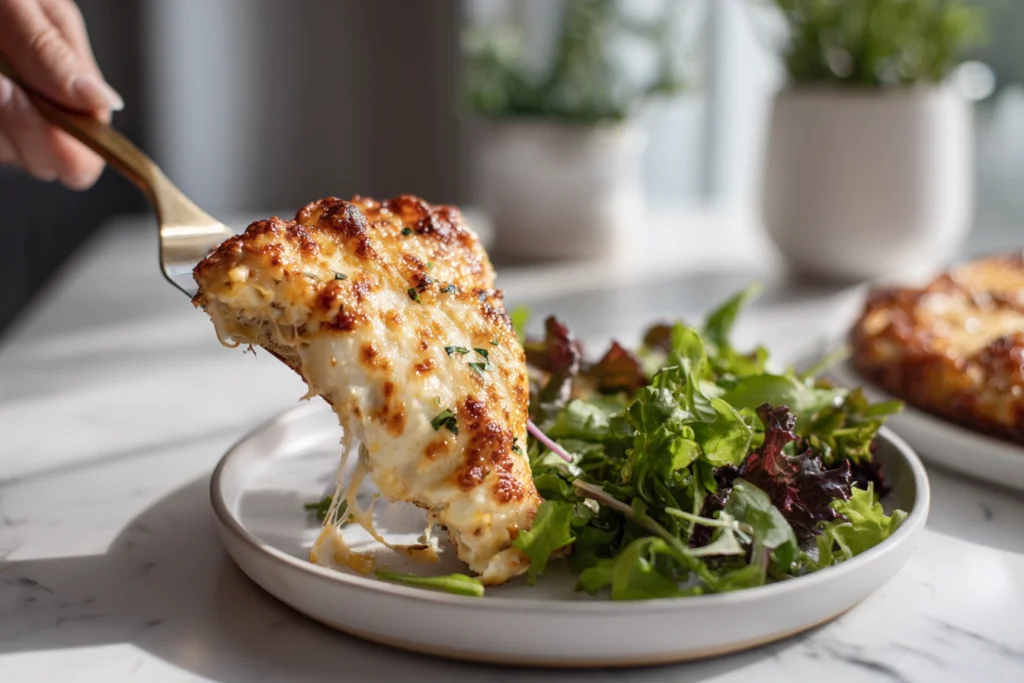
Protein pizza is incredibly versatile when it comes to serving. Pair it with a fresh green salad or roasted vegetables for a balanced meal. It also works well as a high-protein lunch option or as part of a casual gathering with friends.
Some people like cutting protein pizza into small squares and serving it as an appetizer. The golden edges and melted cheese create a presentation that looks just as appealing as traditional pizza.
Storage and Reheating Tips
Store leftover slices in an airtight container in the refrigerator for up to three days. Reheat in an oven or air fryer to maintain the crisp texture. You can also freeze a pre-baked crust without toppings and finish baking it later for a quick meal.
Frequently Asked Questions
Which pizza has the most protein?
A protein pizza made with a chicken or high-protein crust usually contains the most protein because the base itself is rich in lean protein instead of refined flour.
Is protein pizza healthy?
Protein pizza can be a healthier option when made with balanced ingredients like lean chicken, moderate cheese, and vegetables, as it provides more protein and fewer refined carbs than traditional pizza.
Is pizza dough rich in protein?
Classic pizza dough is mainly made from flour, so it contains carbohydrates and only a small amount of protein unless enriched with special ingredients.
How to make a pizza higher in protein?
Use a chicken or cottage cheese crust, add lean meats like grilled chicken or turkey, choose high-protein cheeses, and include nutrient-dense toppings such as spinach or mushrooms.
Final Thoughts
A well-prepared proteinn pizza proves that healthy cooking does not need to feel restrictive. By replacing traditional dough with a seasoned chicken crust, you create a dish that is flavorful, satisfying, and adaptable to many tastes. Whether you are cooking for family dinners, meal prep, or simply exploring new high-protein recipes, protein pizza offers a creative way to enjoy one of the world’s favorite comfort foods.
Once you try making protein pizza at home, you may discover how easy it is to combine balanced nutrition with the classic joy of pizza night.
This recipe was thoughtfully inspired by several trusted culinary sources, whose techniques and insights helped shape the approach shared here.
To ensure accuracy and depth, we explored a selection of well-known recipe guides and expert cooking resources that informed the methods used in this article.