
Making homemade cottage cheese is a rewarding kitchen project that turns simple ingredients into a fresh and nourishing food. This soft cheese has a light texture, gentle tanginess, and a versatility that fits perfectly into both sweet and savory recipes. Many people are surprised to discover that homemade cottage cheese requires only a few steps, yet the flavor and freshness can easily compete with store-bought versions.
When you prepare homemade cottage cheese yourself, you gain complete control over ingredients and texture. Some prefer soft creamy curds, while others enjoy a drier style. Learning the basic process allows you to customize each batch while keeping the method simple and approachable.
Why Choose Homemade Cottage Cheese?
There are many reasons why more home cooks are choosing homemade cottage cheese. Freshness is one of the most important benefits. Because it is prepared in small batches, the taste remains mild and clean without unnecessary additives.
Another advantage is flexibility. Homemade cottage cheese can be adjusted to your personal preferences. You can create a richer version using whole milk or a lighter variation with reduced-fat milk. This flexibility makes homemade cottage cheese appealing to people who enjoy experimenting with healthy recipes.
Many cooks also appreciate the cost savings. Preparing homemade cottage cheese at home often requires ingredients that are already in the kitchen, making it an economical choice for daily meals.
Ingredients Needed
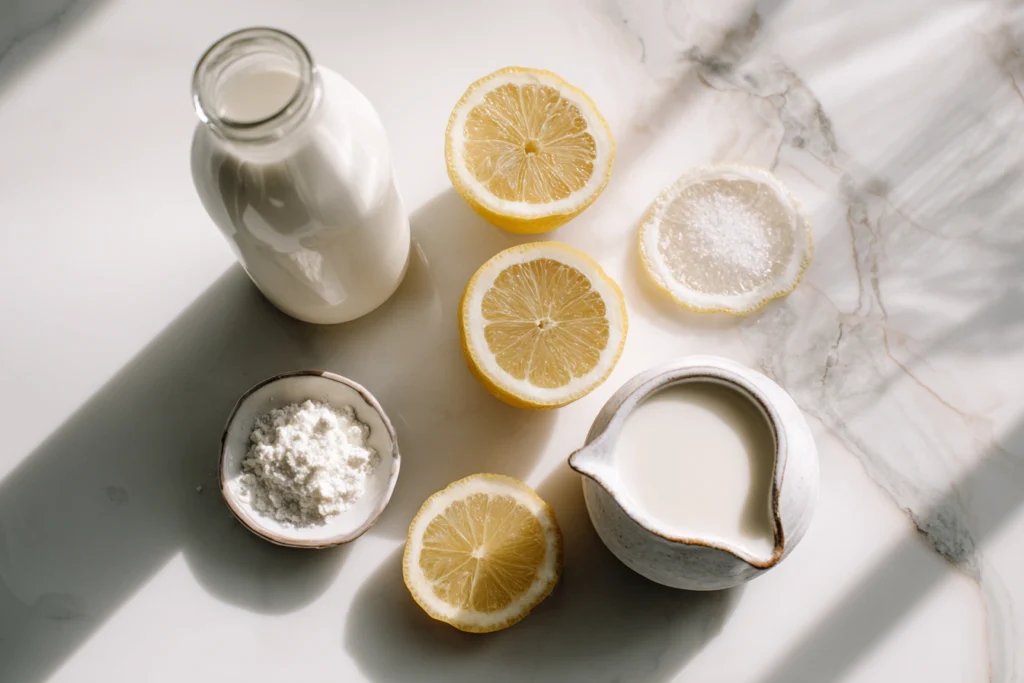
The beauty of homemade cottage cheese lies in its simplicity. The ingredient list is short, yet each component plays an important role in achieving the right texture:
- Milk (whole milk produces the creamiest curds)
- Lemon juice or white vinegar
- Salt to taste
- Optional cream for added richness
Choosing high-quality milk helps create tender curds. Some people prefer using fresh local milk because it often produces better results when making homemade cottage cheese.
Equipment You Will Need
Preparing homemade cottage cheese does not require special tools. Most kitchens already contain everything necessary:
- Large heavy-bottomed pot
- Colander
- Cheesecloth or a clean towel
- Slotted spoon
- Mixing bowl
Using simple equipment keeps the process accessible and enjoyable for beginners.
Understanding the Process
Homemade cottage cheese forms when milk proteins react to heat and acidity. As the milk warms, adding an acidic ingredient causes the proteins to separate into curds and whey. This natural reaction creates the soft texture associated with homemade cottage cheese.
Gentle heating is essential. Raising the temperature slowly allows the curds to develop evenly. If the milk heats too quickly, the final texture may become tough rather than tender.
Step-by-Step Method
Heat the Milk
Pour the milk into a pot and warm it over medium heat. Stir occasionally to prevent sticking. The milk should become very hot but should not reach a rolling boil. This stage is crucial for creating successful homemade cottage cheese.
Add the Acid
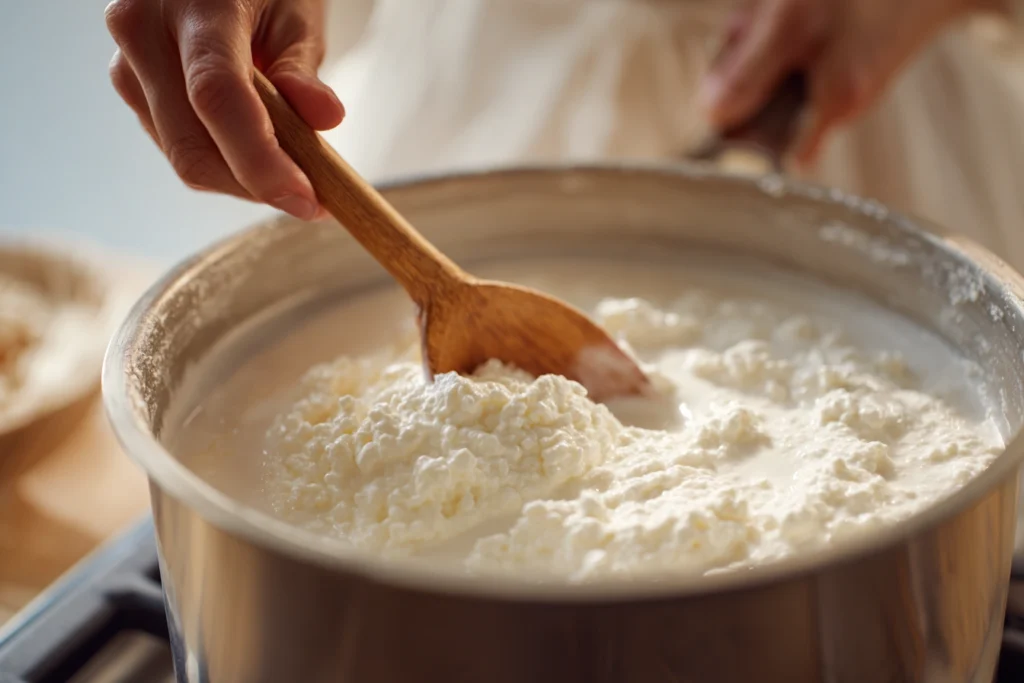
Remove the pot from heat and slowly stir in lemon juice or vinegar. Within minutes, you will notice curds forming. Allow the mixture to rest undisturbed so the homemade cottage cheese develops properly.
Drain the Curds
Line a colander with cheesecloth and gently transfer the curds. Let the whey drain naturally. Avoid pressing too hard, since gentle handling helps homemade cottage cheese remain soft.
Rinse and Cool
Rinsing the curds with cool water reduces excess acidity and improves the flavor. This step also stops the cooking process, preserving the delicate texture of homemade cottage cheese.
Season and Cream
Place the curds into a bowl and add salt if desired. Mixing in a small amount of cream gives homemade cottage cheese its classic creamy consistency.
Chill Before Serving
Refrigerate the finished cheese for about thirty minutes. Chilling allows the flavors to settle and enhances the overall experience of homemade cottage cheese.

Tips for the Best Homemade Cottage Cheese
Making homemade cottage cheese becomes easier with practice. Keep these helpful tips in mind:
- Heat the milk gradually rather than rushing the process.
- Use gentle movements when handling curds.
- Adjust the cream level depending on how rich you want your homemade cottage cheese.
- Taste and season gradually to avoid oversalting.
Small adjustments in technique can greatly improve the final texture.
Flavor Variations
One of the most enjoyable parts of preparing homemade cottage cheese is experimenting with flavors. Because the base is mild, it pairs well with many ingredients.
Savory Ideas
Add chopped herbs, roasted garlic, or a drizzle of olive oil. These ingredients create a flavorful spread that highlights the freshness of homemade cottage cheese.
Sweet Ideas
Mix in honey, berries, or cinnamon for a simple breakfast bowl. The natural creaminess of homemade cottage cheese works beautifully with fruit.
Nutritional Benefits
Homemade cottage cheese is often chosen for its balanced nutrition. It contains protein, calcium, and essential nutrients that support an active lifestyle. Preparing homemade cottage cheese at home also allows you to manage sodium levels and avoid unnecessary additives.
Because it is filling without feeling heavy, many people include homemade cottage cheese in meal plans focused on wellness and balanced eating.
Common Mistakes to Avoid
If your homemadee cottage cheese does not turn out perfectly at first, a few adjustments can help:
- Milk that is too hot may create rubbery curds.
- Insufficient acid may prevent proper separation.
- Over-draining can lead to a dry texture.
Learning from each batch makes homemadee cottage cheese easier and more enjoyable over time.
Storage Tips
Since homemade cottage cheese contains no preservatives, it should be stored in an airtight container in the refrigerator. It usually remains fresh for several days when handled properly.
Always use a clean spoon when serving to maintain the quality of cottage cheese.
How to Use Cottage Cheese
There are countless ways to enjoy homemade cottage cheese in everyday cooking. Spread it on toast, blend it into smoothies, or use it as a creamy addition to baked dishes. Some people even substitute cottage cheese for ricotta in certain recipes.
Its versatility makes it a valuable ingredient that adapts easily to different meals throughout the week.
Frequently Asked Questions
Is it worth making your own cottage cheese?
Yes, making it at home can be worthwhile because it allows you to control freshness, salt level, and creaminess while using simple ingredients.
How can you make cottage cheese at home?
Heat milk gently, add lemon juice or vinegar to form curds, drain the whey, rinse the curds, then season and chill before serving.
Which milk is best to make cottage cheese?
Whole milk is usually the best choice because it produces softer, creamier curds, though 2% milk also works for a lighter texture.
Why do bodybuilders eat cottage cheese before bed?
Many athletes choose cottage cheese at night because it contains slow-digesting protein that may help support muscle recovery during sleep.
Final Thoughts
Preparing homemadee cottage cheese is a simple yet satisfying process that transforms ordinary milk into a fresh, flavorful food. With minimal ingredients and a straightforward method, you can create a cheese that feels wholesome and customizable.
Once you become comfortable with the technique, homemade cottage cheese can become a regular part of your kitchen routine. Whether served sweet or savory, its soft texture and fresh taste make it a timeless addition to modern cooking.
This guide is inspired by trusted culinary resources, including detailed insights shared in this helpful reference.

Sarah is the recipe creator behind Diamond Meals. She shares easy homemade recipes made with simple ingredients, clear instructions, and practical cooking tips. Her goal is to help home cooks prepare delicious meals, desserts, drinks, and appetizers with confidence.