Black sesame paste is a luxurious and deeply aromatic ingredient that has been treasured for centuries in Asian cuisine. Known for its intense nutty flavor, smooth texture, and striking dark color, black sesame paste is both a culinary delight and a nutritional powerhouse.
Whether you want to create traditional desserts or modern healthy recipes, learning how to make black sesame paste at home is a simple yet rewarding skill. In this complete guide, you will discover everything you need to know—from preparation to benefits and creative uses.
What Is Black Sesame Paste?
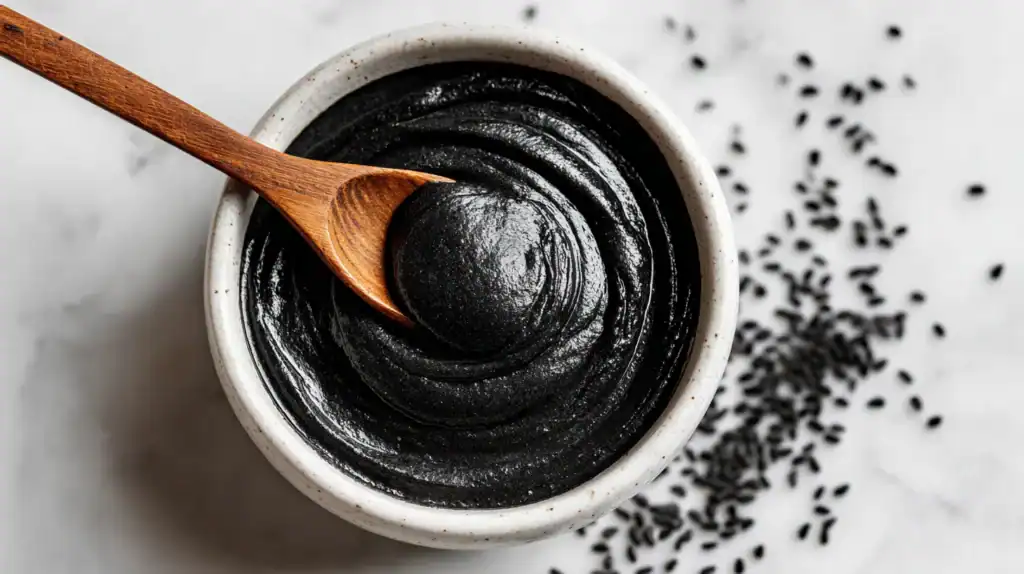
Black sesame paste is made by grinding roasted black sesame seeds into a thick, creamy consistency. Unlike lighter sesame spreads, this version has a bold, slightly bitter, and deeply roasted flavor profile that makes it unique.
Traditionally used in Chinese and Japanese cuisine, black sesame paste appears in desserts such as sesame soup, mochi, and filled rice balls. Today, black sesame paste is also widely used in modern recipes like lattes, cakes, and smoothies.
At its most authentic, black sesame paste contains only one ingredient: high-quality black sesame seeds.
Why You Should Make Black Sesame Paste at Home
Making black sesame paste at home offers several advantages that go beyond convenience.
- You control the quality of ingredients
- The flavor is fresher and more intense
- No preservatives or additives
- Easy to customize texture and sweetness
- More affordable than store-bought versions
Homemade black sesame paste delivers a deeper aroma and a richer taste compared to many commercial alternatives.
Ingredients
Basic Recipe:
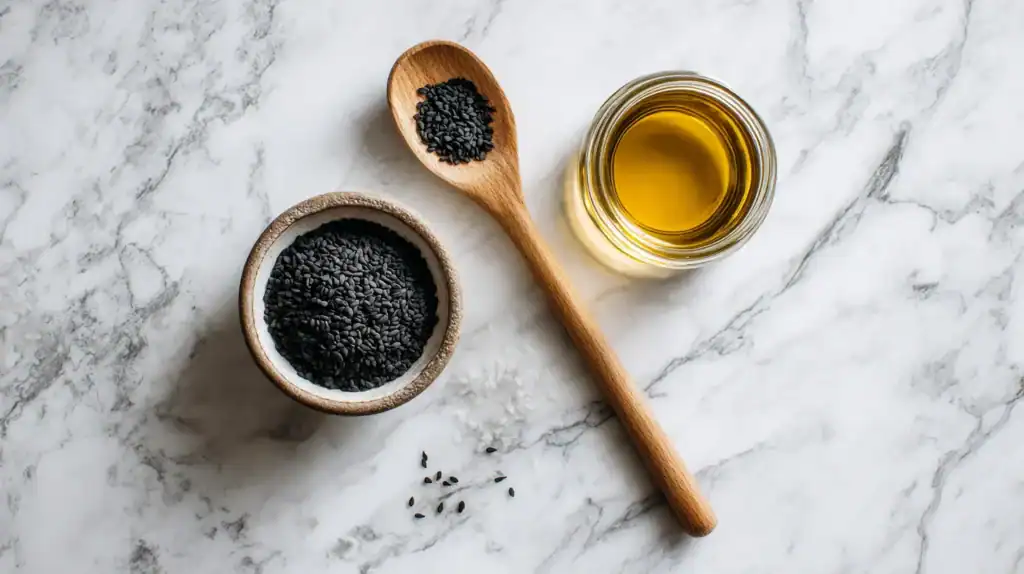
- 1 cup black sesame seeds
Optional Additions:
- 1–2 tablespoons neutral oil (for smoother consistency)
- 1–2 tablespoons honey or sugar (for sweet variations)
Keeping the ingredient list minimal ensures your black sesame paste remains pure and flavorful.
Step-by-Step Instructions
Step 1: Toast the Sesame Seeds
Place the black sesame seeds in a dry pan over medium heat and stir continuously.
- Toast for 5 to 8 minutes
- Seeds should release a nutty aroma
This step is essential because it enhances the flavor and prepares the seeds for blending into black sesame paste.
Step 2: Let the Seeds Cool
Remove the seeds from the pan and allow them to cool completely. This prevents overheating during blending and ensures a smoother black sesame paste.
Step 3: Blend the Seeds
Transfer the cooled seeds into a high-speed blender or food processor.
- Blend continuously
- Pause to scrape down the sides
At first, the mixture will appear dry. With time, it will transform into a thick and creamy black sesame paste as the natural oils are released.
Step 4: Adjust Consistency
If your black sesame paste is too thick:
- Add a small amount of oil
- Blend again until smooth
For a sweeter version, you may add honey or sugar while blending your black sesame paste.
Step 5: Store Properly
Transfer your black sesame paste into an airtight container.
- Refrigerate for freshness
- Stir before use if separation occurs
Proper storage helps maintain the quality of your black sesame paste over time.
Flavor and Texture Profile
Black sesame paste has a distinctive flavor and texture that sets it apart.
- Flavor: Deep, nutty, slightly bitter, and roasted
- Texture: Smooth with a light graininess
- Color: Intense black or dark gray
This unique profile makes black sesame paste a standout ingredient in both sweet and savory recipes.
To elevate your dishes with fresh herbs and vibrant taste, explore our chimichurri seasoning recipe.
Nutritional Benefits of Black Sesame Paste
Black sesame paste is not only flavorful but also highly nutritious. It contains a variety of essential nutrients that support overall health.
Rich in Minerals
Black sesame paste provides important minerals such as:
- Calcium
- Iron
- Magnesium
- Zinc
These nutrients are essential for maintaining strong bones and proper bodily functions.
High in Healthy Fats
The healthy fats in black sesame paste support heart health and contribute to balanced nutrition.
Antioxidant Properties
Black sesame paste contains natural antioxidants that help protect the body from oxidative stress.
Supports Skin and Hair Health
Regular consumption of black sesame paste is traditionally associated with improved skin appearance and stronger hair.
Aids Digestio
The fiber and natural oils found in black sesame paste support digestive health and overall well-being.
How to Use Black Sesame Paste
One of the greatest advantages of black sesame paste is its versatility in the kitchen.
Sweet Uses
- Add black sesame paste to lattes for a rich flavor
- Use black sesame paste in cakes and baked goods
- Incorporate black sesame paste into smoothies
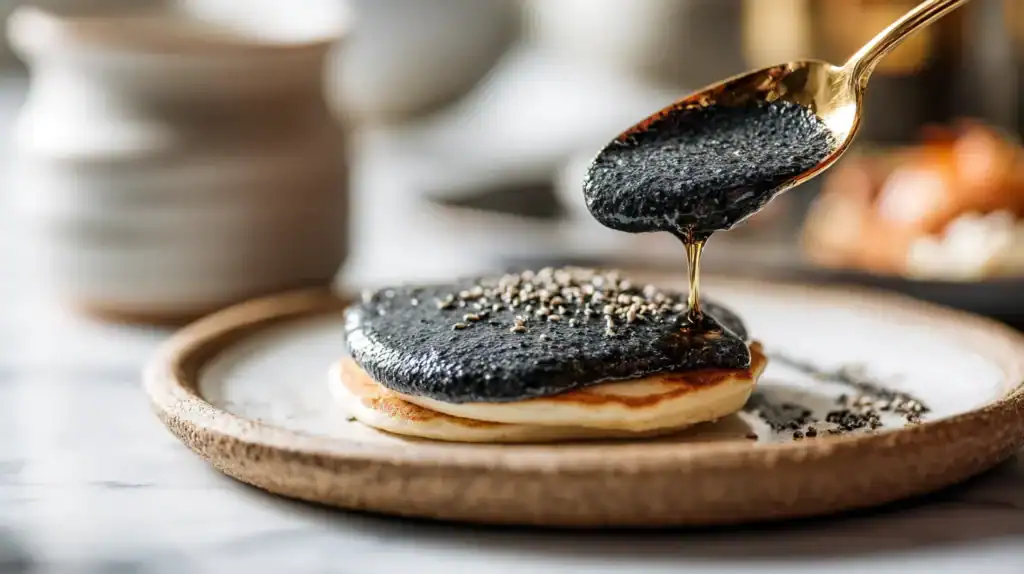
- Spread black sesame paste on toast or pancakes
Traditional Recipes
- Fill rice balls with black sesame paste
- Prepare sesame-based desserts
- Use black sesame paste in classic Asian dishes
Savory Applications
- Mix black sesame paste into noodle sauces
- Add black sesame paste to dressings
- Use black sesame paste in marinades
The bold flavor of black sesame paste enhances both sweet and savory dishes.
For a rich, umami-packed dish, try our miso-glazed eggplant recipe—it’s truly irresistible.
Expert Tips for Perfect Black Sesame Paste
Use Fresh Ingredients
Fresh sesame seeds produce the best black sesame paste with optimal flavor.
Avoid Burning
Overheating can make black sesame paste taste bitter, so control the roasting process carefully.
Blend Thoroughly
Patience is key when making black sesame paste. Continue blending until the desired consistency is achieved.
Adjust Gradually
When modifying texture, add oil slowly to maintain control over your black sesame paste.
Keep It Simple
The best black sesame paste comes from minimal ingredients and proper technique.
Common Mistakes to Avoid
- Burning the sesame seeds
- Not blending long enough
- Adding too much oil at once
- Using low-quality ingredients
Avoiding these mistakes ensures your black sesame paste turns out smooth and flavorful.
Black Sesame Paste vs Other Sesame Products
Black sesame paste differs from other sesame-based spreads in several ways.
| Feature | Black Sesame Paste | White Sesame Paste |
|---|---|---|
| Flavor | Strong and nutty | Mild and subtle |
| Color | Dark black | Light beige |
| Usage | Sweet and savory | Mostly savory |
Black sesame paste offers a more intense and complex taste experience.
Storage Tips
To preserve your black sesame paste:
- Store in an airtight jar
- Keep refrigerated
- Stir before each use
Proper storage helps maintain freshness and texture.
Frequently Asked Questions
Is black sesame paste healthy?
Yes, black sesame paste is rich in nutrients and healthy fats, making it a beneficial addition to your diet.
Can I make black sesame paste without oil?
Yes, blending long enough allows the natural oils to create black sesame paste without added fat.
Why is my black sesame paste bitter?
Bitterness usually results from over-roasted sesame seeds.
Can I substitute black sesame paste for tahini?
Yes, but black sesame paste has a stronger and more intense flavor.
How long does black sesame paste last?
Homemade black sesame paste can last up to one month when refrigerated.
Final Thoughts
Black sesame paste is a unique and versatile ingredient that combines bold flavor with excellent nutritional value. Its rich taste and creamy texture make it ideal for a wide range of recipes, from traditional desserts to modern creations.
By preparing black sesame paste at home, you ensure a pure and high-quality result that enhances your cooking. Once you start using black sesame paste, it quickly becomes an essential ingredient in your kitchen.
This article draws inspiration from trusted culinary sources such as this detailed guide, offering additional insight into traditional techniques.