diamondmeals.com

Appetizers

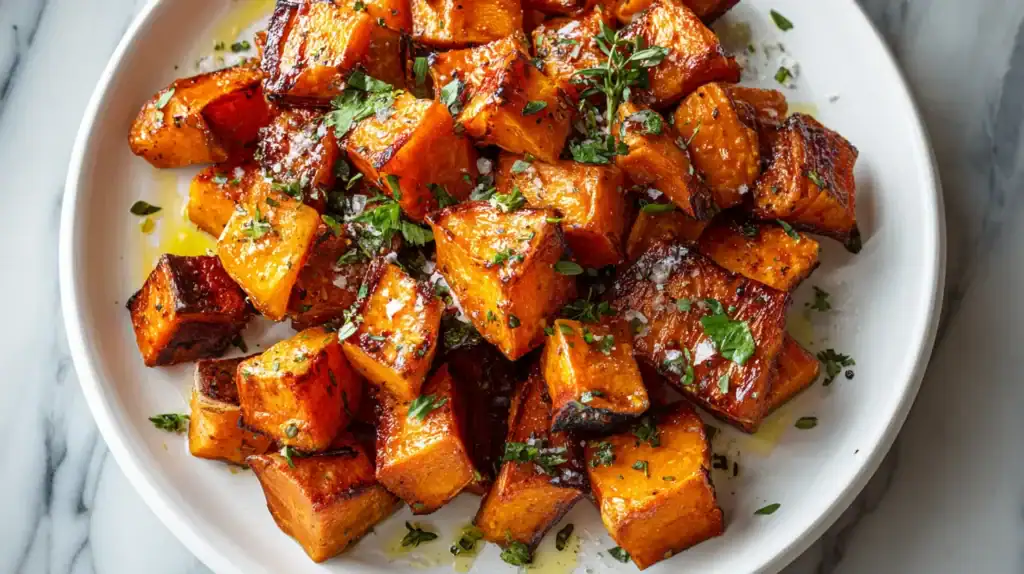
Crispy roasted sweet potatoes

Crispy Roasted Sweet Potatoes: 3 Genius Tips for Perfect Golden Crisp

Crispy roasted sweet potatoes are one of the most delicious and versatile dishes you can prepare at home. With their caramelized edges and soft, tender centers, they offer the perfect balance between texture and flavor. Whether you’re looking for a healthy side dish or a comforting addition to your meals, this recipe delivers consistent, satisfying results. In this complete guide, you’ll learn how to make perfectly golden sweet potatoes, along with expert tips, variations, and serving ideas to elevate your cooking. Why This Recipe Works So Well There’s a reason this dish has become so popular in modern kitchens. It combines simplicity with bold flavor and works for many types of meals. Here’s why you’ll love it: When done correctly, the contrast between crispy edges and soft interiors creates an irresistible texture. Ingredients You’ll Need To Make Crispy roasted sweet potatoes To prepare this recipe, you only need a handful of simple ingredients. Main Ingredients Optional Seasonings These ingredients allow you to adapt the flavor depending on your preferences. Step-by-Step Method Achieving perfect texture depends on following the right technique. Each step plays an important role. Step 1: Preheat the Oven Set your oven to 425°F (220°C). High heat is essential for developing a golden exterior and preventing the potatoes from becoming soft or soggy. Step 2: Prepare the Potatoes Wash and scrub the potatoes thoroughly. Uniform pieces ensure even cooking and consistent results. Step 3: Remove Excess Moisture Drying is a key step that many people overlook. This step helps achieve a crisp outer layer during roasting. Step 4: Season Evenly Place the cut pieces in a large bowl and add: Mix thoroughly to ensure each piece is coated evenly. Step 5: Arrange Properly Spread the pieces on a baking sheet lined with parchment paper. Important tips: Proper spacing allows heat to circulate and promotes even browning. Step 6: Roast Until Golden Bake for 25 to 35 minutes, turning halfway through. The potatoes are ready when: At this stage, you’ll achieve perfectly cooked crispy roasted sweet potatoes with a rich, caramelized flavor. Step 7: Serve Immediately Serve while hot to enjoy the best texture and taste. Freshly roasted potatoes always deliver the best results. Expert Tips for Better Texture If you want consistently great results, these tips make a big difference. Use High Heat A hot oven helps create caramelization, which is essential for texture and flavor. Avoid Overcrowding Too many pieces on the tray trap steam, preventing crisping. Flip at the Right Time Turning halfway through ensures even browning on all sides. Add Cornstarch (Optional Trick) A light coating of cornstarch before adding oil can improve texture by creating a crisp outer layer. Choose the Right Pan A flat, wide baking sheet works best for even roasting. Flavor Variations This recipe is easy to customize depending on your preferences. Savory Options Sweet Options Spicy Options These variations allow you to enjoy crispy roasted sweet potatoes in different ways throughout the week. Serving Ideas Of Crispy roasted sweet potatoes This dish works in many types of meals, making it a great addition to your routine. As a Side Dish Pair with grilled meat, fish, or plant-based proteins. In Grain Bowls Add to bowls with rice, quinoa, or lentils for a balanced meal. In Salads They bring warmth and texture to fresh salads. In Wraps or Tacos Use them as a flavorful filling for wraps. Breakfast Option Serve alongside eggs or avocado for a satisfying breakfast. For a flavorful Middle Eastern touch, you can explore our delicious falafel recipe, a perfect companion to these golden bites. Nutritional Benefits Of Crispy roasted sweet potatoes Sweet potatoes are packed with nutrients and provide many health benefits. They are rich in: Including crispy roasted sweet potatoes in your diet is a great way to enjoy both flavor and nutrition. If you’re craving something crispy and indulgent, take a look at our fried calamari recipe for a restaurant-style experience at home. Common Mistakes to Avoid Avoid these mistakes to get the best results every time. Overcrowding the Pan This leads to steaming instead of roasting. Using Too Much Oil Excess oil prevents crispiness. Uneven Cutting Different sizes cook unevenly, affecting texture. Low Temperature Without enough heat, the potatoes won’t develop a golden crust. To complete your meal with a cheesy, savory side, don’t miss our smashed broccoli with cheese, a rich and satisfying addition. Storage and Reheating Storage Reheating Reheating in the oven helps restore the texture of crispy roasted sweet potatoes. Final Thoughts About Crispy roasted sweet potatoes Crispy roasted sweet potatoes are a simple yet incredibly satisfying dish that fits into almost any meal. With the right technique and a few key tips, you can consistently achieve a perfect balance of crispy edges and soft interiors. Whether served as a side dish, added to bowls, or enjoyed on their own, this recipe offers both comfort and versatility. Once you master it, you’ll find yourself making it again and again.

Crispy Roasted Sweet Potatoes: 3 Genius Tips for Perfect Golden Crisp Read More »

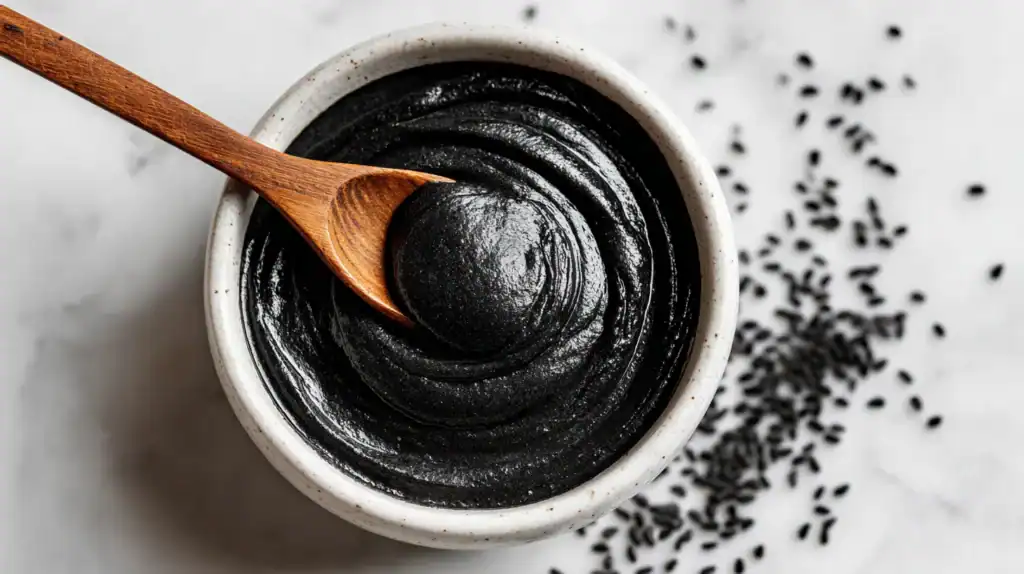
Black sesame paste

Japanese Black Sesame Paste: 5 Easy Steps for a Rich & Irresistible Homemade Spread

Black sesame paste is a luxurious and deeply aromatic ingredient that has been treasured for centuries in Asian cuisine. Known for its intense nutty flavor, smooth texture, and striking dark color, black sesame paste is both a culinary delight and a nutritional powerhouse. Whether you want to create traditional desserts or modern healthy recipes, learning how to make black sesame paste at home is a simple yet rewarding skill. In this complete guide, you will discover everything you need to know—from preparation to benefits and creative uses. What Is Black Sesame Paste? Black sesame paste is made by grinding roasted black sesame seeds into a thick, creamy consistency. Unlike lighter sesame spreads, this version has a bold, slightly bitter, and deeply roasted flavor profile that makes it unique. Traditionally used in Chinese and Japanese cuisine, black sesame paste appears in desserts such as sesame soup, mochi, and filled rice balls. Today, black sesame paste is also widely used in modern recipes like lattes, cakes, and smoothies. At its most authentic, black sesame paste contains only one ingredient: high-quality black sesame seeds. Why You Should Make Black Sesame Paste at Home Making black sesame paste at home offers several advantages that go beyond convenience. Homemade black sesame paste delivers a deeper aroma and a richer taste compared to many commercial alternatives. Ingredients Basic Recipe: Optional Additions: Keeping the ingredient list minimal ensures your black sesame paste remains pure and flavorful. Step-by-Step Instructions Step 1: Toast the Sesame Seeds Place the black sesame seeds in a dry pan over medium heat and stir continuously. This step is essential because it enhances the flavor and prepares the seeds for blending into black sesame paste. Step 2: Let the Seeds Cool Remove the seeds from the pan and allow them to cool completely. This prevents overheating during blending and ensures a smoother black sesame paste. Step 3: Blend the Seeds Transfer the cooled seeds into a high-speed blender or food processor. At first, the mixture will appear dry. With time, it will transform into a thick and creamy black sesame paste as the natural oils are released. Step 4: Adjust Consistency If your black sesame paste is too thick: For a sweeter version, you may add honey or sugar while blending your black sesame paste. Step 5: Store Properly Transfer your black sesame paste into an airtight container. Proper storage helps maintain the quality of your black sesame paste over time. Flavor and Texture Profile Black sesame paste has a distinctive flavor and texture that sets it apart. This unique profile makes black sesame paste a standout ingredient in both sweet and savory recipes. To elevate your dishes with fresh herbs and vibrant taste, explore our chimichurri seasoning recipe. Nutritional Benefits of Black Sesame Paste Black sesame paste is not only flavorful but also highly nutritious. It contains a variety of essential nutrients that support overall health. Rich in Minerals Black sesame paste provides important minerals such as: These nutrients are essential for maintaining strong bones and proper bodily functions. High in Healthy Fats The healthy fats in black sesame paste support heart health and contribute to balanced nutrition. Antioxidant Properties Black sesame paste contains natural antioxidants that help protect the body from oxidative stress. Supports Skin and Hair Health Regular consumption of black sesame paste is traditionally associated with improved skin appearance and stronger hair. Aids Digestio The fiber and natural oils found in black sesame paste support digestive health and overall well-being. If you enjoy bold and tangy flavors, our pickled garlic recipe is a must-try addition to your kitchen. How to Use Black Sesame Paste One of the greatest advantages of black sesame paste is its versatility in the kitchen. Sweet Uses Traditional Recipes Savory Applications The bold flavor of black sesame paste enhances both sweet and savory dishes. For a rich, umami-packed dish, try our miso-glazed eggplant recipe—it’s truly irresistible. Expert Tips for Perfect Black Sesame Paste Use Fresh Ingredients Fresh sesame seeds produce the best black sesame paste with optimal flavor. Avoid Burning Overheating can make black sesame paste taste bitter, so control the roasting process carefully. Blend Thoroughly Patience is key when making black sesame paste. Continue blending until the desired consistency is achieved. Adjust Gradually When modifying texture, add oil slowly to maintain control over your black sesame paste. Keep It Simple The best black sesame paste comes from minimal ingredients and proper technique. Common Mistakes to Avoid Avoiding these mistakes ensures your black sesame paste turns out smooth and flavorful. Black Sesame Paste vs Other Sesame Products Black sesame paste differs from other sesame-based spreads in several ways. Feature Black Sesame Paste White Sesame Paste Flavor Strong and nutty Mild and subtle Color Dark black Light beige Usage Sweet and savory Mostly savory Black sesame paste offers a more intense and complex taste experience. Storage Tips To preserve your black sesame paste: Proper storage helps maintain freshness and texture. Frequently Asked Questions Is black sesame paste healthy? Yes, black sesame paste is rich in nutrients and healthy fats, making it a beneficial addition to your diet. Can I make black sesame paste without oil? Yes, blending long enough allows the natural oils to create black sesame paste without added fat. Why is my black sesame paste bitter? Bitterness usually results from over-roasted sesame seeds. Can I substitute black sesame paste for tahini? Yes, but black sesame paste has a stronger and more intense flavor. How long does black sesame paste last? Homemade black sesame paste can last up to one month when refrigerated. Final Thoughts Black sesame paste is a unique and versatile ingredient that combines bold flavor with excellent nutritional value. Its rich taste and creamy texture make it ideal for a wide range of recipes, from traditional desserts to modern creations. By preparing black sesame paste at home, you ensure a pure and high-quality result that enhances your cooking. Once you start using black sesame paste, it quickly becomes an essential ingredient in

Japanese Black Sesame Paste: 5 Easy Steps for a Rich & Irresistible Homemade Spread Read More »

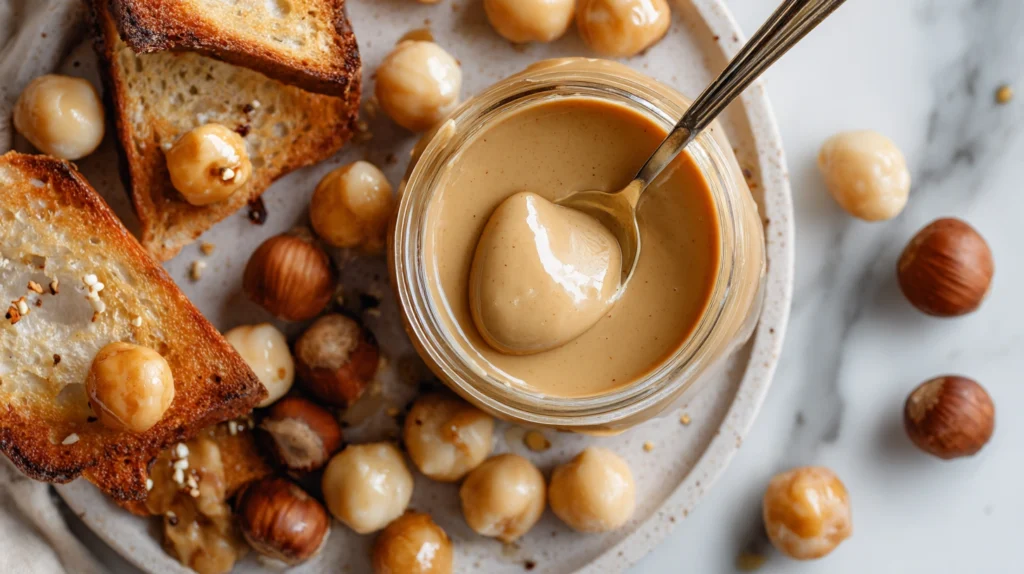
Macadamia Nut Butter

Creamy Macadamia Nut Butter Recipe – Easy Homemade Nut Butter in 10 Minutes

Nut butters have become an essential ingredient in many kitchens, offering flavor, nutrition, and versatility. Among the most luxurious options is macadamia nut butter, a rich and creamy spread made from macadamia nuts blended until perfectly smooth. With its delicate taste and silky texture, this nut butter stands out as a premium alternative to traditional peanut or almond butter. Many people are surprised to learn how easy it is to prepare macadamia nut butter at home. With only a few ingredients and a food processor, you can transform macadamia nuts into a fresh, flavorful spread in minutes. Homemade versions also allow you to control sweetness, salt levels, and texture, making them healthier and more customizable than many store-bought options. This guide will walk you through everything you need to know about macadamia nut butter, including its flavor, benefits, preparation steps, and delicious ways to enjoy it in everyday meals. What Is Macadamia Nut Butter? Macadamia nut butter is a creamy spread created by blending macadamia nuts until their natural oils are released and form a smooth paste. Because macadamia nuts naturally contain a high amount of healthy fat, they blend into one of the smoothest nut butters available. The flavor is mild, slightly sweet, and delicately buttery. This makes macadamia nut butter different from stronger nut spreads such as peanut butter. The subtle taste allows it to complement both sweet and savory dishes without overpowering other ingredients. Another reason people love macadamia nut butter is its luxurious texture. The natural oils in macadamia nuts create an incredibly silky consistency that spreads easily on bread, fruit, or baked goods. Why You’ll Love Macadamia Nut Butter There are several reasons why homemade nut spreads have become so popular, and macadamia nut butter offers some unique advantages. Exceptionally Smooth Texture Macadamia nuts contain more natural oil than many other nuts. This makes macadamia nut butter especially creamy and easy to blend. Simple Ingredients One of the biggest advantages of macadamia nut butter is its simplicity. The basic recipe can be made with just macadamia nuts and a pinch of salt. Naturally Rich Flavor Macadamia nuts have a naturally buttery taste that makes macadamia nut butter rich and satisfying even without added sugar. Suitable for Many Diets Macadamia nuts are low in carbohydrates and high in healthy fats, which makes macadamia nut butter popular among people following keto or low-carb diets. Versatile in Recipes Another advantage is how versatile macadamia nut butter can be. It can be used in breakfast dishes, smoothies, sauces, and desserts. Ingredients for Macadamia Nut Butter One of the best things about macadamia nut butter is that the ingredient list can be extremely short. Basic Ingredients Optional Ingredients These optional ingredients allow you to customize macadamia nut butter depending on whether you want a sweet or savory flavor. How to Make Macadamia Nut Butter Making macadamia nut butter at home is simple and requires only a food processor or high-speed blender. Step 1: Roast the Nuts (Optional) Roasting macadamia nuts can enhance their flavor. Spread the nuts on a baking sheet and bake them at 325°F (160°C) for about 8–10 minutes until lightly golden. Allow the nuts to cool before blending them. Step 2: Blend the Nuts Place the macadamia nuts in your food processor and begin blending. At first, the nuts will turn into crumbs. After a few minutes of blending, the crumbs will start forming a thick paste as the oils are released. Continue blending until the mixture becomes smooth. This process usually takes about 5–10 minutes depending on your machine. Step 3: Add Optional Ingredients Once the mixture becomes creamy, you can add optional ingredients such as vanilla, salt, or sweetener. Blend again until the ingredients are fully incorporated and the macadamia nut butter becomes silky and smooth. Step 4: Adjust the Texture If the mixture seems too thick, add a small amount of coconut oil and blend again. Macadamia nuts already contain plenty of natural oil, so usually only a small amount is needed. Step 5: Store the Butter Transfer your freshly made macadamia nut butter to a clean glass jar. Store it in: Natural oils may separate over time. Simply stir the macadamia nut butter before using. Tips for Perfect Macadamia Nut Butter Even though the recipe is simple, a few tips will help you achieve the best results. Use a High-Quality Food Processor A powerful food processor will blend macadamia nuts faster and create a smoother consistency. Be Patient During Blending Nut butter goes through several stages before becoming smooth. The mixture may look crumbly at first but will eventually turn creamy. Avoid Adding Too Much Oil Because macadamia nuts contain a high level of natural oils, too much added oil can make the butter overly runny. Roast for Deeper Flavor Light roasting can enhance the flavor of macadamia nut butter and make it taste richer. If you enjoy homemade nut spreads, you might also love trying our creamy pistachio butter recipe, another rich and flavorful spread that’s perfect for toast, desserts, or smoothies. Flavor Variations to Try Once you have mastered the basic recipe, you can experiment with different versions of macadamia nut butter. Chocolate Macadamia Butter Add cocoa powder and a little sweetener to create a chocolate spread. Vanilla Macadamia Butter Extra vanilla extract creates a dessert-like flavor. Honey Macadamia Butter Honey pairs beautifully with the natural richness of macadamia nut butter. Cinnamon Maple Butter Maple syrup and cinnamon give the spread a warm and comforting taste. For a naturally sweet topping that pairs beautifully with nut butters, take a look at our simple strawberry jam without pectin recipe, made with just a few wholesome ingredients. Nutritional Benefits Besides being delicious, macadamia nut butter also offers several health benefits. Healthy Fats Macadamia nuts are rich in monounsaturated fats, which are known to support heart health. Antioxidants These nuts contain antioxidants that help protect the body from oxidative stress. Essential Minerals Macadamia nuts provide minerals such as magnesium, copper, and manganese that

Creamy Macadamia Nut Butter Recipe – Easy Homemade Nut Butter in 10 Minutes Read More »

Miso Glazed Eggplant

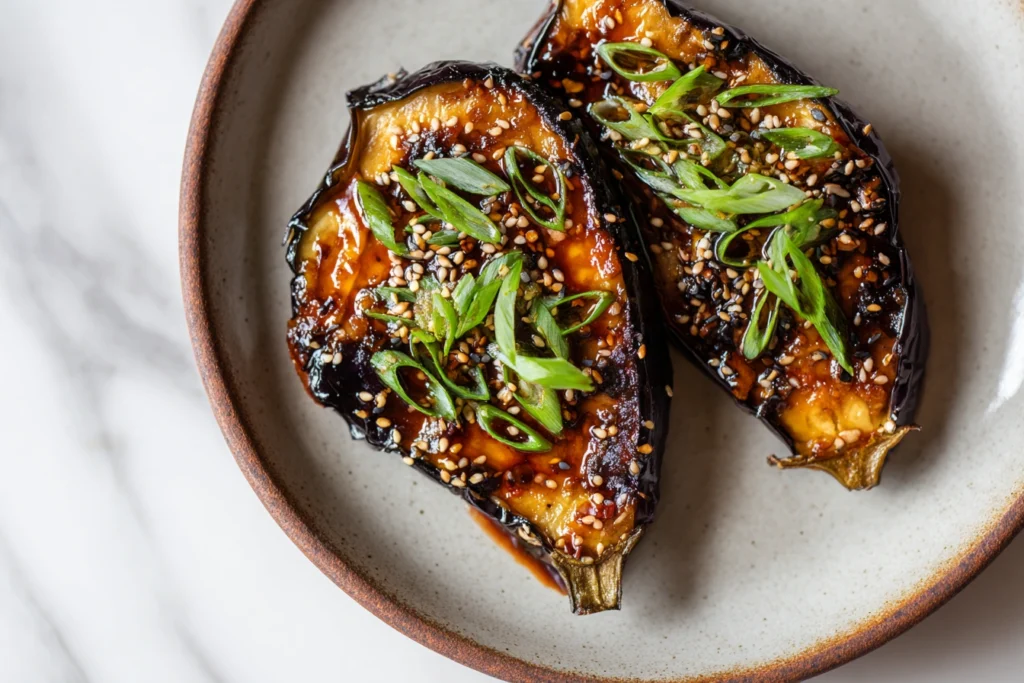
5 Easy Steps to Make the Best Miso Glazed Eggplant at Home

Few vegetable dishes deliver as much flavor with so little effort as Miso Glazed Eggplant. This Japanese-inspired recipe transforms simple eggplant into a rich and satisfying dish coated with a glossy miso glaze that balances sweet, salty, and savory flavors. The beauty of Miso Glazed Eggplant lies in its simplicity. Eggplants are roasted until soft and creamy, then brushed with a sweet miso sauce that caramelizes beautifully under high heat. The result is a dish with a silky texture, deep umami flavor, and a slightly smoky aroma. This dish is commonly served in Japanese cuisine as a small plate or side dish, but it is also hearty enough to enjoy as a light vegetarian main course. Because it requires only a few ingredients and minimal preparation time, Miso Glazed Eggplant is perfect for both everyday cooking and elegant meals. In this article, you will learn how to prepare perfect Miso Glazed Eggplant, understand the ingredients that make it special, and discover tips that ensure a delicious result every time. What Is Miso Glazed Eggplant? Miso Glazed Eggplant is a dish inspired by a traditional Japanese preparation in which eggplant is cooked and topped with a flavorful miso sauce. The eggplant is typically sliced in half, scored on the surface, and roasted or grilled until tender. Once softened, the eggplant is coated with a thick glaze made from miso paste and other seasonings. The dish is then broiled briefly so the glaze caramelizes and forms a slightly sticky surface. The flavor profile of Miso Glazed Eggplant is a perfect balance of: Because eggplant has a naturally creamy texture when cooked, it absorbs the glaze exceptionally well, making each bite rich and flavorful. Why This Miso Glazed Eggplant Recipe Is So Popular Many people love Miso Glazed Eggplant because it delivers bold flavor while remaining easy to prepare. Rich Umami Taste Miso paste is known for its intense savory flavor. When used in this recipe, it creates a glaze that enhances the natural sweetness of roasted eggplant. Simple Ingredients The ingredients required for Miso Glazed Eggplant are minimal and widely available, making the recipe accessible to home cooks everywhere. Naturally Plant-Based This dish is entirely vegetarian and fits well into vegan diets without requiring substitutions. Quick Cooking Time Most versions of Miso Glazed Eggplant can be prepared in about thirty minutes from start to finish. Elegant Presentation The scored surface of the eggplant absorbs the glaze and creates a beautiful pattern after roasting. Ingredients for Miso Glazed Eggplant The ingredients used in Miso Glazed Eggplant are simple but carefully balanced to create the signature flavor. Eggplant Japanese eggplants are often preferred because they have thin skin and a mild flavor. Miso Glaze This glaze is the defining element of Miso Glazed Eggplant, combining sweet and savory ingredients into a thick sauce that caramelizes during cooking. Choosing the Best Eggplant The quality of the eggplant plays an important role in the success of Miso Glazed Eggplant. When selecting eggplants, look for: Smaller eggplants are usually sweeter and contain fewer seeds. Japanese eggplants are especially suitable because they cook quickly and become very tender. If you cannot find Japanese eggplants, regular globe eggplants can also work well in Miso Glazed Eggplant when sliced into smaller portions. How to Make Miso Glazed Eggplant Preparing Miso Glazed Eggplant is straightforward and requires only a few simple steps. Step 1: Prepare the Eggplant Preheat your oven to 220°C (425°F). Trim the stems from the eggplants and slice them lengthwise. Using a sharp knife, score the flesh in a crosshatch pattern without cutting through the skin. This helps the eggplant cook evenly and absorb the glaze more effectively. Some cooks prefer to soak the eggplant halves in water for about ten minutes to remove bitterness. After soaking, dry them thoroughly before cooking. Step 2: Prepare the Miso Glaze In a small bowl, combine: Mix the ingredients until they form a smooth paste. This glaze provides the distinctive flavor of Miso Glazed Eggplant, combining sweetness with deep savory notes. Step 3: Roast the Eggplant Brush the cut sides of the eggplants with sesame oil. Place them cut side down on a baking sheet lined with parchment paper. Roast for about 15 minutes until the eggplant becomes soft and tender. At this stage the eggplant should be slightly golden and creamy inside. Step 4: Apply the Glaze Remove the eggplants from the oven and turn them cut side up. Spread a generous amount of miso glaze across each piece. Return the tray to the oven and switch to the broiler setting. Cook for 3 to 5 minutes until the glaze begins to bubble and caramelize. This final step gives Miso Glazed Eggplant its characteristic glossy appearance and deep flavor. Step 5: Garnish and Serve After broiling, remove the eggplants from the oven and garnish with sesame seeds and sliced green onions. Serve immediately while warm so the texture remains soft and creamy. Tips for Perfect Miso Glazed Eggplant A few small techniques can make a big difference when preparing Miso Glazed Eggplant. Score the Eggplant Properly The crosshatch cuts allow the glaze to penetrate deeper into the flesh. Use White Miso White miso has a mild sweetness that complements the eggplant perfectly. Don’t Overcook Eggplant should be tender but still hold its shape. Broil Carefully Watch the eggplant during the broiling step to prevent the glaze from burning. If you enjoy deep umami flavors, you might also love our delicious miso salmon recipe, which pairs beautifully with Japanese-inspired dishes. Flavor Variations One of the great advantages of Miso Glazed Eggplant is how easily it can be customized. Spicy Version Add chili paste or chili flakes to the miso glaze for a touch of heat. Garlic Miso Eggplant Mix minced garlic into the glaze to create a stronger savory flavor. Maple Miso Eggplant Replace the sugar with maple syrup for a deeper sweetness. Ginger Miso Eggplant Fresh grated ginger adds brightness and complexity to the dish. For a comforting plant-based

5 Easy Steps to Make the Best Miso Glazed Eggplant at Home Read More »

Pistachio Butter

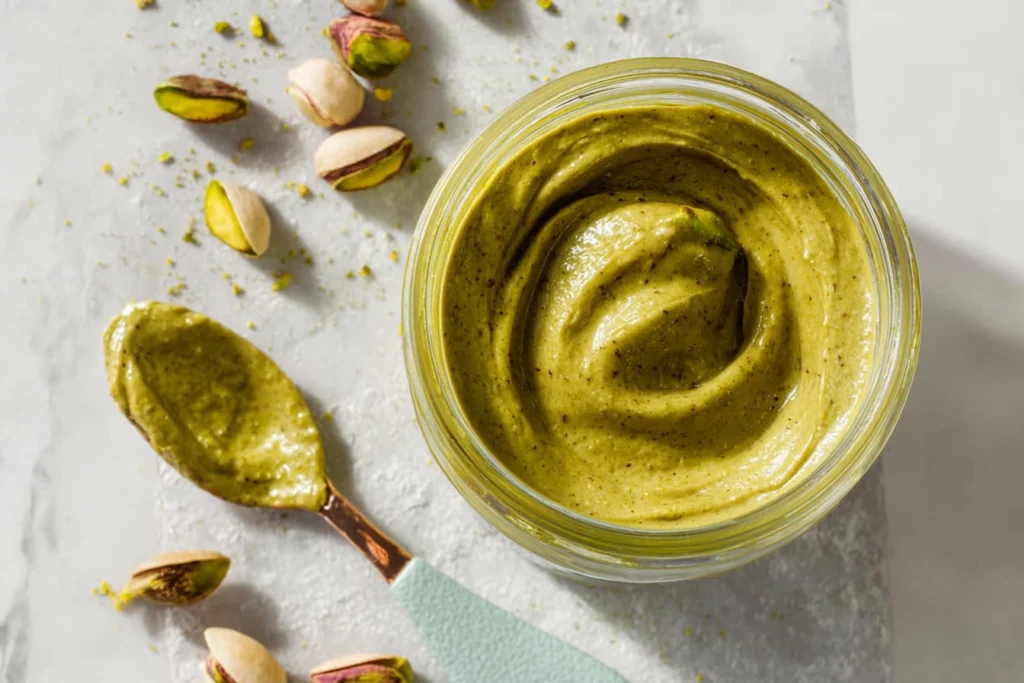
Homemade Pistachio Butter (Creamy, Easy & Naturally Sweet)

If you are looking for a rich, naturally sweet, and beautifully green nut spread, pistachio butter may quickly become your new favorite pantry staple. Smooth, luxurious, and surprisingly easy to prepare, this vibrant spread offers a refined alternative to traditional peanut or almond varieties. Homemade pistachio butter captures the pure flavor of roasted pistachios without unnecessary additives. Whether you spread it on toast, swirl it into desserts, or incorporate it into savory dishes, it brings depth, creaminess, and elegance to everyday meals. In this complete guide, you will learn how to make it from scratch, how to customize it, and the best ways to use it in your kitchen. What Is Pistachio Butter? At its simplest, pistachio butter is made by blending pistachios until they release their natural oils and transform into a smooth paste. The process is similar to making peanut or almond butter, but the flavor profile is distinctly more delicate and slightly sweet. The natural oils inside pistachios create a creamy consistency without the need for added fats. When blended properly, the result is a silky, spreadable texture with a subtle roasted aroma and a beautiful green hue. Because it contains only nuts and optional seasoning, pistachio butter is considered one of the purest forms of nut spreads you can prepare at home. Why Make It at Home? Store-bought versions often include added oils, sweeteners, or stabilizers. Preparing your own pistachio butter gives you full control over flavor and texture. Homemade versions offer: Most importantly, the taste of freshly blended pistachios is far superior to processed alternatives. Ingredients You’ll Need The beauty of this recipe lies in its simplicity. Basic Ingredients: Optional Additions: High-quality pistachios are essential. Fresh, bright green nuts produce the most flavorful pistachio butter. Step-by-Step: How to Make Pistachio Butter Making pistachio butter requires only a food processor and a little patience. Step 1: Roast the Pistachios Preheat your oven to 350°F (175°C). Spread the pistachios evenly on a baking sheet. Roast for 8–10 minutes until fragrant. Roasting enhances flavor and helps the nuts release their oils more easily during blending. Allow them to cool slightly before processing. Step 2: Blend Transfer the roasted pistachios into a food processor. You will notice several stages: This process can take 5–10 minutes depending on your machine. Pause occasionally to scrape down the sides. If the mixture remains too thick, add a small amount of neutral oil. Step 3: Season and Adjust Add salt and blend briefly. Taste and adjust seasoning. For a sweeter version, add honey or maple syrup and blend again. This creates a slightly dessert-style pistachio butter ideal for breakfast spreads. Step 4: Store Properly Transfer to an airtight glass jar. If refrigerated, allow it to soften slightly before spreading. Texture Options You can personalize your pistachio butter based on preference: Because pistachios naturally contain healthy oils, the final texture depends largely on blending time. For a delicate, melt-in-your-mouth treat, explore our Pistachio Wedding Cookies — a refined dessert that beautifully highlights the nut’s natural sweetness. Delicious Ways to Use Pistachio Butter One reason pistachio butter has become increasingly popular is its versatility. Breakfast Ideas Craving something buttery and flaky? Our Pistachio Croissant transforms classic pastry into a luxurious experience with its luscious pistachio filling. Its mild sweetness pairs beautifully with fruit, honey, and dark chocolate. Snack Pairings These simple combinations highlight the natural flavor of the nuts. Baking Applications Adding pistachio butter to baked goods enhances richness and moisture. Try incorporating it into: Because it contains natural fat, it adds tenderness without needing extra butter. If you love the rich flavor of this spread, you’ll adore our Pistachio Tiramisu, where creamy layers meet the unmistakable depth of pistachio in every bite. Savory Dishes While often associated with sweets, pistachio butter works well in savory preparations. Its subtle nutty depth complements lemon, herbs, garlic, and roasted vegetables. Nutritional Benefits Pistachios are naturally rich in: As a result, pistachio butter provides sustained energy and promotes satiety. The combination of fat and protein makes it satisfying in small portions. However, because it is calorie-dense, moderation is important. Common Mistakes to Avoid To achieve perfectly smooth pistachio butter, avoid these errors: Patience is key. The mixture may look dry before it turns creamy — keep blending. Flavor Variations to Try Once you master the classic version, experiment with creative twists: These variations transform a simple spread into something gourmet. Is Pistachio Butter Healthy? Yes, when consumed in reasonable portions. Because it contains healthy fats and protein, pistachio butter supports energy levels and can help reduce cravings. It is naturally free from artificial additives when homemade. Compared to heavily sweetened spreads, it offers a more nutrient-dense alternative. Why It Deserves a Place in Your Kitchen Few spreads offer the same balance of elegance, nutrition, and versatility. Pistachio butter works for breakfast, snacks, baking, and even savory dishes. Its naturally vibrant color makes dishes visually appealing, while its creamy consistency adds indulgence without heaviness. Preparing it at home ensures purity and freshness that cannot be replicated by commercial versions. Final Thoughts Homemade pistachio butter is simple, luxurious, and endlessly adaptable. With only a handful of ingredients and a food processor, you can create a smooth, nutrient-rich spread that enhances everything from toast to desserts. Whether you prefer it lightly salted, slightly sweetened, or ultra-smooth, this vibrant green spread brings depth and refinement to everyday cooking. Once you taste freshly blended pistachios transformed into creamy perfection, you may never look at ordinary nut spreads the same way again. This guide is inspired by insights from trusted culinary sources, including this detailed pistachio butter recipe at The Mediterranean Dish, which beautifully highlights the art of blending nuts into a silky spread.

Homemade Pistachio Butter (Creamy, Easy & Naturally Sweet) Read More »

fried calamari

Crispy Fried Calamari: The Ultimate Restaurant-Style Recipe at Home

Golden, crisp, and irresistibly tender, fried calamari is one of the most beloved seafood appetizers in the world. Served in coastal Mediterranean towns, Italian trattorias, and modern seafood restaurants alike, this dish has earned its reputation for being both simple and sophisticated. While many people enjoy ordering it at restaurants, few realize how achievable perfect fried calamari truly is at home. The secret lies in understanding the nature of squid, mastering a light coating, and frying at the correct temperature. When done properly, fried calamari should be airy and delicate, never greasy or rubbery. In this guide, you’ll learn exactly how to prepare squid, how to create a crisp coating, and how to fry it so the result rivals any professional kitchen. Understanding Calamari Calamari is simply the culinary name for squid. It has a mild, slightly sweet flavor and a firm texture that transforms beautifully when cooked properly. Squid can be grilled, braised, stuffed, or sautéed, but frying remains the most popular preparation because it highlights both texture and flavor. The key to excellent fried calamari is speed. Squid must be cooked either very quickly or very slowly. In this recipe, high heat and short cooking time keep the interior tender while the exterior turns golden and crisp. Why This Method Works Many home cooks struggle with fried calamari because of three common mistakes: skipping the tenderizing step, overcrowding the fryer, or cooking too long. This method avoids those problems by focusing on: When these three elements come together, the result is consistently crisp and tender every time. Ingredients You’ll Need For the Calamari For the Coating For Frying For Serving Step 1: Preparing the Squid If using whole squid, remove the internal cartilage and rinse thoroughly under cold water. Pat dry with paper towels. Slice the tubes into rings about ¾ inch thick. Avoid slicing them too thinly, as thinner rings can become chewy during frying. Tentacles should be left whole. They add texture and visual appeal to the finished platter of fried calamari. Step 2: Tenderizing for Better Texture Place the sliced squid into a bowl. Mix the salt into the milk or buttermilk and pour it over the squid. Refrigerate for 30 minutes. This brief soak helps tenderize the meat and ensures the flour coating adheres properly. It is a simple step that dramatically improves the final texture of fried calamari. After soaking, drain the squid and gently shake off excess liquid. There is no need to rinse. Step 3: Mixing the Coating In a large bowl, whisk together flour, cornstarch, baking powder, oregano, black pepper, paprika, and salt. This combination creates a light and crisp crust. Cornstarch reduces gluten formation, preventing the coating from becoming heavy. Baking powder introduces tiny air pockets that enhance crispness. A well-balanced coating is essential for achieving restaurant-quality fried calamari. Step 4: Heating the Oil Pour about 2 to 3 inches of oil into a deep pot or heavy skillet. Heat the oil to 350–365°F (175–185°C). Temperature control is critical. If the oil is too cool, the coating absorbs oil and becomes greasy. If it is too hot, the outside browns before the squid cooks properly. Maintaining steady heat ensures evenly cooked fried calamari with a delicate crunch. Step 5: Dredging the Squid Working in small batches, toss the soaked squid into the flour mixture. Coat thoroughly, then shake off excess flour. Too much coating can cause uneven browning. Proper dredging creates the signature light texture that defines excellent fried calamari. Step 6: Frying to Golden Perfection Carefully lower a small batch of coated squid into the hot oil. Do not overcrowd the pan. Fry for 2 to 3 minutes, until lightly golden. The squid should float and turn crisp quickly. Use a slotted spoon to transfer to a wire rack or paper towel-lined plate. Immediately sprinkle with a small pinch of salt. Repeat with remaining batches, allowing the oil to return to temperature between each round. When cooked properly, fried calamari should be crisp outside and tender inside. How to Avoid Chewy Texture Overcooking is the main cause of rubbery squid. Remember this rule: Quick cooking at high heat keeps calamari tender. Never exceed four minutes of frying. Properly prepared fried calamari should be easy to bite through without resistance. If you love Mediterranean flavors, you might also enjoy our authentic falafel recipe for a perfectly crisp and herb-packed companion dish. Serving Suggestions Serve immediately while hot and crisp. Garnish generously with lemon wedges and chopped parsley. A squeeze of fresh lemon brightens the flavor and balances the richness. Classic accompaniments include marinara sauce, garlic aioli, or a light yogurt-based dip. When served fresh, fried calamari makes an elegant appetizer or a satisfying main dish paired with salad or roasted vegetables. For a delicious vegetable side that pairs beautifully with seafood, try our smashed broccoli with cheese — it’s simple, satisfying, and full of flavor. Flavor Variations Once you master the basic method, you can experiment with subtle flavor adjustments: Mediterranean Herb Add lemon zest and extra oregano to the flour mixture. Lightly Spiced Increase cayenne slightly and serve with chili sauce. Garlic and Herb Incorporate garlic powder and dried thyme for aromatic depth. Each variation keeps the integrity of fried calamari while adding personality. Looking for a creamy dip to serve alongside your appetizers? Our cottage cheese queso dip adds a rich and modern twist to any spread. Can You Make It Ahead? This dish is best enjoyed immediately after frying. However, you can prepare components ahead of time: If needed, reheat briefly in a 400°F oven for 5–7 minutes. While reheated fried calamari will still be enjoyable, nothing compares to serving it straight from the fryer. Nutritional Notes Squid is naturally high in protein and relatively low in fat. The frying process adds richness, so moderation is key. To lighten the dish: When prepared carefully, fried calamari can be part of a balanced meal. Why This Dish Remains a Favorite The appeal of fried calamari lies

Crispy Fried Calamari: The Ultimate Restaurant-Style Recipe at Home Read More »

How to Make Falafel

How to Make Falafel: The Complete Guide to Crispy, Authentic Homemade Falafel

If you’ve ever wondered how to make falafel that is perfectly crispy on the outside and tender on the inside, you are in the right place. This beloved Middle Eastern dish is simple in ingredients but powerful in flavor. Learning how to make falafel at home allows you to control texture, seasoning, and cooking method while achieving restaurant-quality results. Falafel is one of the most iconic plant-based dishes in Mediterranean cuisine. Whether served in warm pita bread, layered into bowls, or arranged on a mezze platter, freshly prepared falafel offers bold flavor and satisfying texture. In this detailed guide, you’ll learn exactly how to make falafel step by step, including expert techniques that ensure success every time. What Is Falafel? Before diving into how to make falafel, it helps to understand what makes it unique. Falafel is traditionally made from soaked dried chickpeas blended with fresh herbs, garlic, onion, and warm spices. The mixture is shaped into small balls or patties and then fried until golden brown. The defining characteristic of authentic falafel is its bright green interior, created by generous amounts of parsley and cilantro. Unlike many chickpea recipes, falafel does not use cooked or canned beans. Instead, dried chickpeas are soaked and ground raw, which is essential to achieving the proper structure. Understanding this foundational detail is the first step in mastering how to make falafel correctly. Ingredients for Authentic Falafel To truly understand how to make falafel, you must begin with the right ingredients. Main Ingredients Each component contributes to flavor balance. Fresh herbs provide brightness, spices add warmth, and chickpeas form the structural base of the falafel mixture. Step 1: Soak the Chickpeas Properly One of the most important lessons in how to make falafel is choosing dried chickpeas instead of canned ones. Place the dried chickpeas in a large bowl and cover them with plenty of cold water. They will expand significantly, so allow enough space. Let them soak for 18 to 24 hours at room temperature. After soaking, the chickpeas should be swollen and slightly softened but still firm. Drain and rinse thoroughly. Skipping this step or using canned beans will result in falafel that falls apart or becomes too dense. Proper soaking is the foundation of how to make falafel successfully. Step 2: Prepare the Falafel Mixture Now comes the transformation stage in how to make falafel. Add the soaked chickpeas to a food processor along with onion, garlic, parsley, cilantro, dill, cumin, coriander, cayenne, salt, and pepper. Pulse in short bursts. The texture should resemble coarse sand. The mixture must not be smooth like hummus. When pressed between your fingers, it should hold together without feeling wet. Overprocessing will make the falafel heavy. Underprocessing may cause it to crumble. Achieving the right consistency is central to how to make falafel with perfect structure. Transfer the mixture to a bowl, cover, and refrigerate for at least one hour. Chilling allows flavors to develop and helps the mixture firm up. Step 3: Shape the Falafel Another key detail in how to make falafel is shaping. After chilling, stir in the baking powder. Scoop small portions and gently form balls or slightly flattened patties about 1½ inches wide. Do not press too firmly. Light shaping ensures the inside remains fluffy once cooked. If the mixture feels too crumbly, pulse slightly again. If it feels too moist, chill longer. Precision at this stage improves the final result when learning how to make falafel properly. Step 4: Frying for Crispy Perfection Traditional frying is the most popular method when mastering how to make falafel. Heat about 3 inches of neutral oil in a deep pot to 350°F (175°C). Carefully place a few pieces into the oil without overcrowding the pot. Fry for 3–5 minutes, turning occasionally, until deep golden brown. Remove and drain on paper towels. The exterior should be crisp and beautifully browned, while the inside remains vibrant green and tender. Proper oil temperature is essential in how to make falafel that is not greasy. Alternative Cooking Methods If you prefer a lighter option while still exploring how to make falafel, consider these methods. Baking Preheat the oven to 375°F (190°C). Place falafel patties on a lightly oiled baking sheet. Brush tops lightly with oil. Bake for 20–25 minutes, flipping halfway. The texture will be slightly less crispy but still delicious. Air Frying Preheat your air fryer to 350°F (175°C). Lightly spray falafel with oil and cook for 12–15 minutes, flipping halfway through. Both methods provide excellent alternatives while still preserving the essence of how to make falafel at home. If you’re craving something warm and comforting, don’t miss our creamy Pioneer Woman Broccoli Cheese Soup — it’s rich, cozy, and perfect for chilly evenings. Serving Ideas Once you’ve mastered how to make falafel, serving options are endless. Falafel Pita Stuff warm pita bread with falafel, tomatoes, cucumbers, lettuce, pickles, and tahini sauce. Falafel Bowl Serve falafel over rice, quinoa, or bulgur with roasted vegetables and hummus. Mezze Platter Arrange falafel alongside dips, olives, and fresh herbs for a vibrant appetizer spread. Each serving style highlights the versatility that makes learning how to make falafel so worthwhile. For a bold and flavorful vegetarian option, try our Dopiazeh Aloo, a beautifully spiced potato dish that brings vibrant Middle Eastern flavors to your table. Expert Tips for Perfect Results To refine your technique in how to make falafel, keep these professional tips in mind: These details may seem small, but they significantly impact the final texture and flavor. Looking for an easy, crowd-pleasing dinner? Our Crockpot BBQ Chicken is tender, smoky, and effortlessly delicious — ideal for busy weeknights. Why Falafel Falls Apart When studying how to make falafel, troubleshooting is important. Common causes include: Correcting these issues will dramatically improve consistency. Storing and Freezing Falafel freezes very well. You can freeze uncooked shaped pieces on a tray, then transfer to a freezer bag. Fry directly from frozen, adding extra cooking time. Cooked falafel can also be

How to Make Falafel: The Complete Guide to Crispy, Authentic Homemade Falafel Read More »

Homemade Perfectly Seasoned Collard Greens

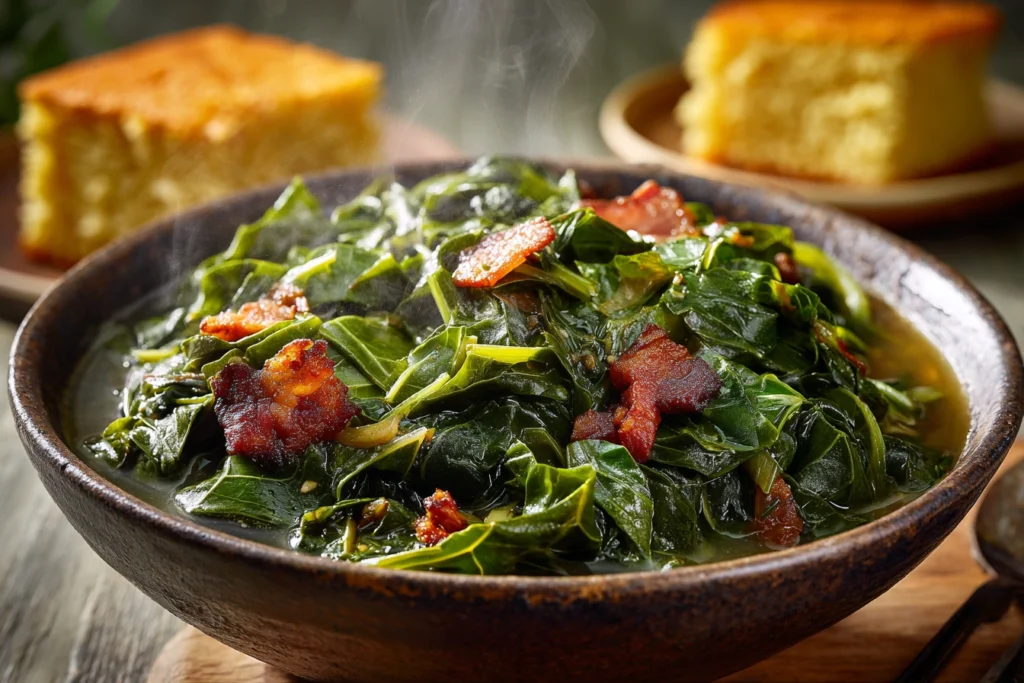
Homemade Perfectly Seasoned Collard Greens: A Rich and Flavorful Southern Classic

Few dishes carry as much comfort and tradition as Homemade Perfectly Seasoned Collard Greens. This deeply rooted Southern staple transforms simple leafy greens into a tender, savory, and satisfying side dish that pairs beautifully with countless meals. When prepared correctly, collards lose their bitterness and become silky, flavorful, and rich with layers of seasoning. If you want a method that guarantees balanced flavor, tender texture, and authentic depth, this guide will walk you step by step through making Homemade Perfectly Seasoned Collard Greens the right way. Why Collard Greens Are So Special Collard greens are sturdy, dark leafy vegetables known for their slightly earthy and mildly bitter flavor. Unlike delicate greens, they require slow cooking to unlock their best texture and taste. That slow simmering process is what makes Homemade Perfectly Seasoned Collard Greens so irresistible. Beyond flavor, collard greens are extremely nutritious. They are rich in fiber, vitamin K, vitamin A, vitamin C, calcium, and antioxidants. When simmered gently, they retain much of their nutritional value while absorbing seasoning beautifully. The Key to Flavorful Collard Greens The difference between bland greens and Homemade Perfectly Seasoned Collard Greens lies in three elements: Collard greens need time to soften and absorb flavor. Rushing the cooking process can leave them tough or bitter. Patience is essential. Ingredients You’ll Need To prepare authentic Homemade Perfectly Seasoned Collard Greens, gather the following: These ingredients create the deep, savory foundation necessary for truly Homemade Perfectly Seasoned Collard Greens. Step 1: Clean and Prepare the Greens Proper preparation ensures your Homemade Perfectly Seasoned Collard Greens are smooth and grit-free. Start by removing the thick stems from each leaf. Fold the leaf in half and slice along the stem to separate it. Stack the leaves, roll them tightly, and slice into one-inch ribbons. Place the chopped greens in a large bowl of cold water and swish them around thoroughly. Dirt often hides in the folds. Lift the greens out of the water rather than pouring them out, leaving any grit behind. Clean greens are the foundation of excellent Homemade Perfectly Seasoned Collard Greens. Step 2: Build the Flavor Base In a large Dutch oven over medium heat, cook the chopped bacon until crispy and the fat has rendered. This smoky fat becomes the backbone of your seasoning. Remove excess grease if needed, leaving about two tablespoons. Add the chopped onion and sauté until soft and translucent. Stir in the garlic and cook briefly until fragrant. This aromatic mixture is what gives Homemade Perfectly Seasoned Collard Greens their rich, savory depth. Step 3: Add the Greens and Liquid Add the sliced greens to the pot in batches. They may look like a large volume at first, but they will quickly wilt. Pour in the broth and stir to combine. Season with salt, pepper, and optional red pepper flakes. Bring everything to a gentle simmer. Once bubbling lightly, reduce heat to low and cover. This is when Homemade Perfectly Seasoned Collard Greens begin their transformation. Step 4: Simmer Low and Slow Allow the greens to simmer gently for 45 minutes to 1 hour. During this time: Stir occasionally to ensure even cooking. Low heat ensures the greens cook evenly without becoming mushy. Slow cooking is the defining characteristic of Homemade Perfectly Seasoned Collard Greens. Step 5: Finish with Brightness After the greens are fully tender, stir in the apple cider vinegar. This small addition brightens the dish, balances the smokiness, and enhances the overall flavor profile. Taste and adjust seasoning if necessary. At this stage, your Homemade Perfectly Seasoned Collard Greens are ready to serve. For a bold and tangy side that pairs beautifully with these greens, try our horseradish pickles for an extra layer of vibrant flavor. What Is Pot Liquor? As the greens cook, they release flavorful liquid known as pot liquor. This nutrient-rich broth contains minerals and flavor extracted from the greens and seasoning. Many people consider pot liquor an essential part of Homemade Perfectly Seasoned Collard Greens. It can be spooned over rice, soaked up with cornbread, or enjoyed on its own. Never discard it — it holds incredible flavor. If you enjoy herb-forward seasonings, our homemade chimichurri seasoning adds a fresh and aromatic twist to any savory dish. How to Reduce Bitterness If you find collard greens slightly bitter, here are helpful adjustments when preparing Homemade Perfectly Seasoned Collard Greens: Proper seasoning and cooking time eliminate harsh flavors while preserving depth. To complement the smoky depth of this recipe, consider serving it alongside our pickled garlic for a deliciously sharp contrast. Serving Suggestions Homemade Perfectly Seasoned Collard Greens pair well with: They are especially popular during holidays and Sunday dinners, but they are equally delicious as an everyday side dish. Storage and Reheating One of the best features of Homemade Perfectly Seasoned Collard Greens is how well they store. Refrigerate in an airtight container for up to 4 days. To freeze, cool completely and store in freezer-safe containers for up to 3 months. Reheat gently on the stovetop with a splash of broth to restore moisture. In fact, Homemade Perfectly Seasoned Collard Greens often taste even better the next day as the flavors deepen. Nutritional Benefits Collard greens are nutrient-dense and support overall health. Homemade Perfectly Seasoned Collard Greens provide: This dish offers comfort while still being wholesome and nourishing. Variations to Try You can personalize Homemade Perfectly Seasoned Collard Greens in several ways: Each variation keeps the spirit of Homemade Perfectly Seasoned Collard Greens intact while adapting to different tastes. Final Thoughts Mastering Homemade Perfectly Seasoned Collard Greens is about patience, balance, and proper seasoning. With simple ingredients and slow cooking, collard greens transform into a dish rich in history and flavor. The combination of smokiness, gentle acidity, and tender greens creates a deeply satisfying experience. Whether served at a family gathering or prepared for a quiet dinner at home, Homemade Perfectly Seasoned Collard Greens remain a timeless classic. Once you try this method, you’ll understand why Homemade Perfectly Seasoned Collard Greens

Homemade Perfectly Seasoned Collard Greens: A Rich and Flavorful Southern Classic Read More »

Horseradish Pickles

Horseradish Pickles: A Bold and Flavorful Homemade Classic

If you enjoy vibrant flavors with a little heat, horseradish pickles are the perfect addition to your kitchen repertoire. Crisp cucumbers infused with sharp horseradish create a bold twist on traditional pickles. The balance of tangy vinegar, aromatic spices, and that unmistakable sinus-clearing kick makes them unforgettable. Homemade horseradish pickles are surprisingly easy to prepare. With a simple brine and fresh ingredients, you can create jars of crunchy, spicy goodness that elevate sandwiches, burgers, salads, and charcuterie boards. What Are Horseradish Pickles? At their core, horseradish pickles are cucumbers preserved in a vinegar-based brine enhanced with freshly grated or prepared horseradish root. While classic dill pickles rely mainly on garlic and herbs, this variation introduces a peppery intensity that deepens the flavor profile. Horseradish belongs to the mustard family and releases natural compounds when grated. These compounds are responsible for its distinctive heat. When combined with vinegar, salt, and spices, the root transforms ordinary cucumbers into something complex and bold. The result is a pickle that delivers: Why Make Them at Home? Store-bought options rarely capture the brightness of freshly made horseradish pickles. When you prepare them yourself, you control: Homemade batches also allow you to experiment with variations while preserving the satisfying crunch that makes good pickles irresistible. Choosing the Right Cucumbers The foundation of excellent horseradish pickles begins with selecting the best cucumbers. Look for small pickling varieties that are: Fresh cucumbers produce crisp results. For optimal texture, pickle them within 24 hours of purchasing or harvesting. Before brining, rinse thoroughly and trim a thin slice from the blossom end. This small step helps maintain firmness during storage. The Essential Ingredients Here is a balanced refrigerator-style recipe for horseradish pickles. For the Pickles: For the Brine: This combination allows the flavor of horseradish to shine without overwhelming the natural freshness of the cucumbers. Step-by-Step Preparation 1. Prepare the Cucumbers Wash and dry them carefully. Leave whole, slice into spears, or cut into coins depending on preference. 2. Make the Brine Combine water, vinegar, salt, sugar, and spices in a saucepan. Bring to a gentle boil, stirring until dissolved. Remove from heat and allow to cool slightly. 3. Layer the Jars Place dill, garlic, and half of the grated horseradish at the bottom of sterilized jars. 4. Pack Tightly Arrange cucumbers tightly inside the jars. Add the remaining horseradish over the top. 5. Pour the Brine Cover the cucumbers completely with brine. Ensure no air pockets remain. 6. Refrigerate Seal jars and refrigerate for at least 48 hours. For best flavor, wait 4–5 days before enjoying. These refrigerator horseradish pickles develop stronger character over time. Flavor Development During the first two days, vinegar provides dominant tanginess. As the days pass, the horseradish integrates fully into the brine. After several days, the flavor becomes rounder and more balanced. The spice level depends on the freshness and quantity of horseradish used. You can easily adjust it to suit your tolerance. Variations to Try One of the pleasures of making horseradish pickles is customizing the flavor. Extra-Spicy Version Increase the grated horseradish and add additional red pepper flakes. Sweet and Spicy Add slightly more sugar for contrast between heat and sweetness. Garlic-Forward Double the garlic for deeper savory notes. Fermented Method Use a saltwater brine instead of vinegar and allow natural fermentation at room temperature for several days before refrigerating. Each variation maintains the signature character while introducing subtle differences. Serving Ideas Horseradish pickles pair beautifully with rich foods. Their acidity cuts through fat and enhances savory dishes. Try serving them: Their crisp texture and bold flavor make them a standout condiment. For a creamy and refreshing pairing, try our cilantro lime crema — it adds the perfect smooth contrast to bold, spicy flavors. Storage and Safety Because these are refrigerator-style horseradish pickles, they are not shelf-stable. Always store them in the refrigerator. For best quality, consume within 3–4 weeks. Discard if you notice: Proper hygiene and clean jars ensure safe preparation. To deepen the herbal notes and bring vibrant seasoning to your table, explore our homemade chimichurri seasoning for an irresistible flavor boost. Nutritional Overview Horseradish pickles are low in calories and fat-free. They contain small amounts of vitamin C and antioxidants from both cucumbers and horseradish. Horseradish itself contains natural plant compounds associated with antimicrobial and digestive-support properties. However, like all pickled foods, they contain sodium, so moderation is recommended. If you enjoy tangy, punchy condiments, don’t miss our pickled garlic recipe — a deliciously sharp addition to any savory spread. Final Thoughts Homemade horseradish pickles offer an exciting upgrade to traditional pickles. They deliver crisp texture, vibrant acidity, and a distinctive spicy finish that transforms simple meals into memorable ones. With fresh cucumbers, quality horseradish, and a well-balanced brine, you can create jars of horseradish pickles that are flavorful, customizable, and deeply satisfying. Once you experience their bold character, they may become a permanent favorite in your kitchen. This recipe has been thoughtfully inspired by insights from https://emilykylenutrition.com/horseradish-pickles/, whose approach to flavor balance and technique helped shape this version.

Horseradish Pickles: A Bold and Flavorful Homemade Classic Read More »

pickled garlic

Pickled Garlic Recipe – Easy Homemade Tangy Garlic Cloves

If you enjoy bold, vibrant flavors in your cooking, pickled garlic is a must-have ingredient in your kitchen. This simple preparation transforms sharp raw garlic cloves into mellow, tangy, and slightly sweet bites that enhance everything from salads to charcuterie boards. Easy to prepare and surprisingly versatile, pickled garlic is one of those homemade staples that feels gourmet yet requires minimal effort. In this complete guide, you’ll learn exactly how to make it, how it changes in flavor over time, storage tips, and the best ways to use it in everyday meals. What Is Pickled Garlic? Pickled garlic is fresh garlic that has been preserved in a vinegar-based brine. The acidity softens the harsh bite of raw garlic while maintaining its aromatic depth. Instead of the intense spiciness that raw cloves can bring, the pickling process creates a smoother, tangier flavor that is easier to enjoy on its own. During the pickling process, garlic absorbs the vinegar mixture and gradually becomes tender. After a few weeks, the cloves develop a balanced taste — still garlicky, but rounded and pleasantly sharp rather than overpowering. Unlike fermented garlic, which depends on beneficial bacteria to develop over time, this method uses vinegar to safely preserve the cloves in the refrigerator. Why You Should Make It at Home Making pickled garlic yourself offers several advantages: Longer Shelf Life Fresh peeled garlic lasts only a short time before drying out or sprouting. Once preserved in vinegar, it can stay fresh for months when refrigerated properly. Milder Flavor Profile Many people find raw garlic too aggressive. Pickling reduces that intensity while keeping its signature aroma intact. Versatility in Cooking From appetizers to main dishes, this preserved ingredient adds brightness and depth without overwhelming a recipe. Customizable Taste You can easily adjust sweetness, acidity, and spice levels depending on your preference. Classic Pickled Garlic Recipe This traditional method is simple, reliable, and beginner-friendly. Ingredients Step-by-Step Instructions 1. Prepare the Garlic Peel the cloves carefully and remove any bruised pieces. Rinse lightly and dry thoroughly. 2. Heat the Brine In a saucepan, combine vinegar, salt, and sugar. Bring to a gentle boil and stir until dissolved. 3. Fill the Jars Place the cloves into sterilized glass jars. Add herbs or chili flakes if desired. 4. Pour the Brine Carefully pour the hot liquid over the garlic, ensuring the cloves are completely submerged. Leave about half an inch of space at the top. 5. Cool and Refrigerate Let the jars cool to room temperature before sealing. Store in the refrigerator for at least three weeks before tasting. The flavor deepens and improves over time, making patience worthwhile. How the Flavor Develops In the first few days, the garlic will still taste relatively sharp. After two weeks, it begins to mellow noticeably. By the third or fourth week, pickled garlic becomes smooth, tangy, and pleasantly aromatic. Occasionally, the cloves may turn slightly blue or green. This is a natural chemical reaction involving sulfur compounds and does not mean the batch is spoiled. As long as it smells fresh and remains refrigerated, it is safe to eat. For a creamy, zesty pairing, try our Cilantro Lime Crema — it complements bold flavors beautifully and adds a refreshing finish to any dish. Flavor Variations to Try One of the joys of preparing this recipe at home is experimentation. Here are a few variations: Spicy Version Add sliced jalapeños, whole peppercorns, or extra red pepper flakes. Herb-Infused Style Rosemary, thyme, oregano, or bay leaves give a Mediterranean touch. Sweet and Tangy Twist Use apple cider vinegar and increase sugar slightly for a softer flavor. Savory Asian-Inspired Option Add a splash of soy sauce and a pinch of sesame seeds for depth. These small changes allow you to personalize your jar while keeping the essential character intact. If you love vibrant herb-based blends, our Chimichurri Seasoning brings a fresh, savory depth that pairs wonderfully with tangy ingredients. Creative Ways to Use It Once your jar is ready, you’ll find endless ways to incorporate this ingredient into your cooking. Cheese Boards Whole cloves pair beautifully with aged cheeses, olives, and cured meats. Salad Dressings Finely chop and whisk into vinaigrettes for brightness. Sandwiches and Wraps Slice thinly and layer into grilled sandwiches for a tangy kick. Pasta and Grain Bowls Stir into warm dishes to add contrast and complexity. Sauces and Dips Blend into yogurt dips, hummus, or creamy spreads for subtle garlic flavor without harshness. Because the cloves are already tender, they integrate smoothly into both cold and warm dishes. Looking for a comforting side to balance bright flavors? Our Smashed Broccoli with Cheese makes the perfect rich and satisfying addition. Storage and Safety Proper handling is essential when preparing pickled garlic. Garlic preserved in oil at room temperature can be unsafe, so always use a vinegar-based method and keep it chilled. The Science Behind the Transformation Garlic contains sulfur compounds that create its pungent aroma. When exposed to acid, these compounds break down and soften. The vinegar environment also prevents harmful bacteria from developing. The occasional color change happens when sulfur interacts with trace minerals. While it may look unusual, it does not affect taste or safety. Understanding this simple chemistry helps explain why pickled garlic tastes milder yet still aromatic. Nutritional Overview Although the flavor profile changes, garlic retains many of its beneficial plant compounds. It remains low in calories and fat-free while adding bold taste to dishes without heavy sauces. However, because it contains salt from the brine, moderation is advisable for individuals monitoring sodium intake. Frequently Asked Questions Final Thoughts Homemade pickled garlic is one of the simplest ways to elevate everyday cooking. With just vinegar, salt, and fresh cloves, you create a pantry ingredient that adds brightness and sophistication to countless dishes. The transformation from sharp raw garlic to tangy preserved cloves is both practical and satisfying. Once you prepare your first jar, you may find yourself keeping it stocked year-round. Whether served on a cheese board, chopped

Pickled Garlic Recipe – Easy Homemade Tangy Garlic Cloves Read More »