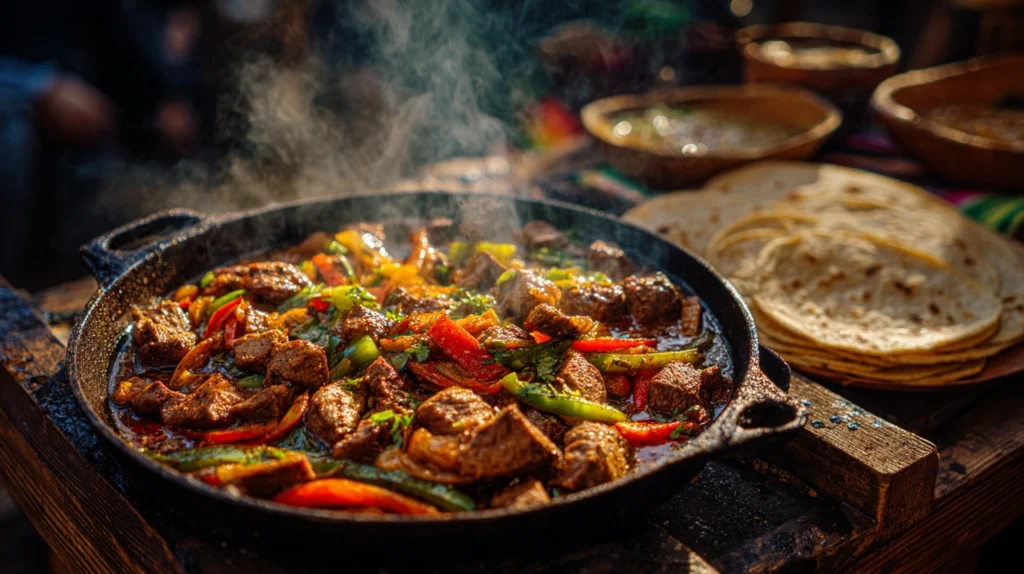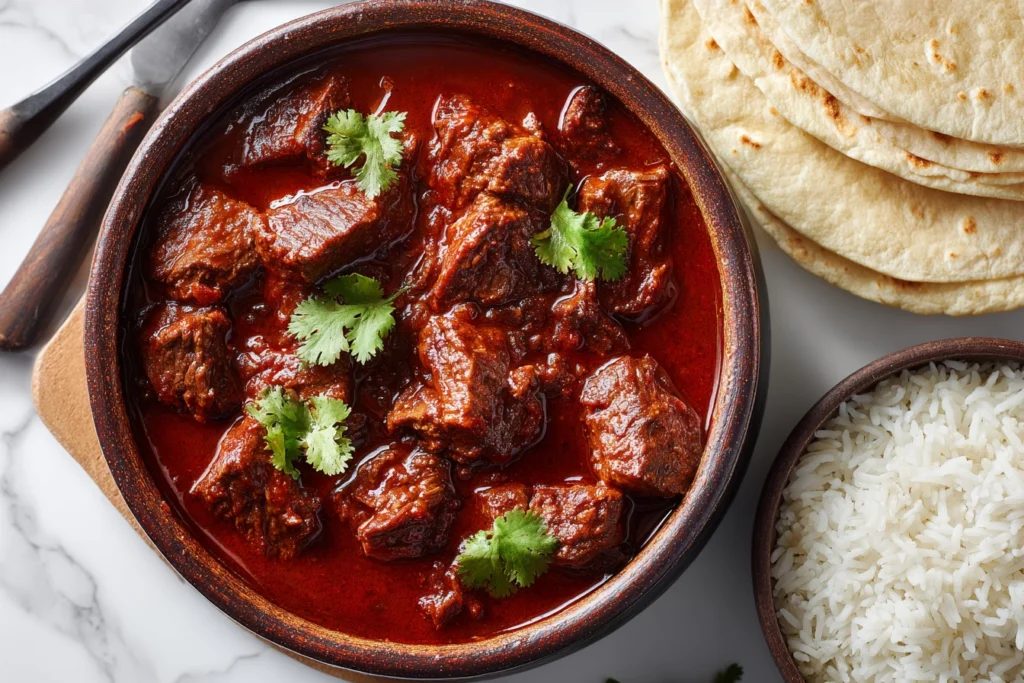
Carne con chile is a classic dish that represents comfort, tradition, and bold flavor. Built around slow-cooked beef and a rich chile-based sauce, this recipe has been passed down through generations and adapted across regions while preserving its essence. Hearty, warming, and deeply satisfying, it remains a favorite for family meals and special gatherings alike.
This dish is rooted in rustic cooking, where simple ingredients are transformed through time and technique. Rather than relying on heavy sauces or shortcuts, the focus is on carefully prepared chiles, quality beef, and patience. The result is a stew that is rich without being heavy and spicy without overpowering the palate.
The Character of a Classic Dish
What makes carne con chile special is its balance. The dish highlights the natural richness of beef while allowing the chiles to provide depth, smokiness, and warmth. Unlike many modern chili-style recipes, this preparation emphasizes flavor development over heat intensity.
The texture is equally important. The beef is cooked until tender enough to break apart with a spoon, while the sauce thickens naturally as it simmers. Every bite carries layers of flavor that feel both comforting and bold.
Ingredients That Build Flavor
A successful carne con chile starts with carefully chosen ingredients. Each one plays a specific role in building the final taste.
Core Ingredients
- Beef chuck or stew meat, cut into cubes
- Dried red chiles
- Onion
- Garlic
- Neutral cooking oil
- Beef or chicken broth
- Ground cumin
- Dried oregano
- Salt and black pepper
Optional Enhancements
- Tomatoes or tomato purée
- Bay leaves
- Paprika or chili powder
- Beans (optional, depending on preference)
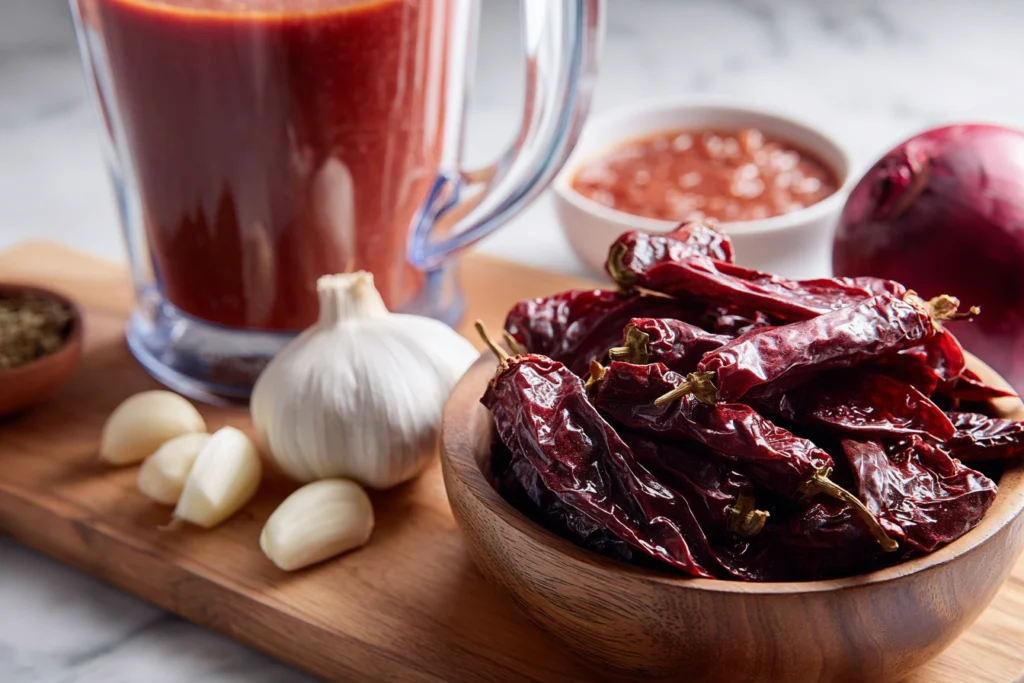
The ingredient list is intentionally simple. The depth of flavor comes from preparation and slow cooking rather than complexity.
Preparing the Chile Sauce
The heart of carne con chile lies in its sauce. Begin by removing stems and most seeds from the dried chiles. Briefly rinse them, then soak them in hot water until soft. This process releases their aroma and flavor.
Once softened, the chiles are blended with garlic and a portion of onion until smooth. A small amount of soaking liquid or broth helps achieve the right consistency. For a refined texture, the sauce can be strained, though this step is optional.
This sauce forms the foundation of the dish and determines much of its final character.
Browning the Beef for Depth
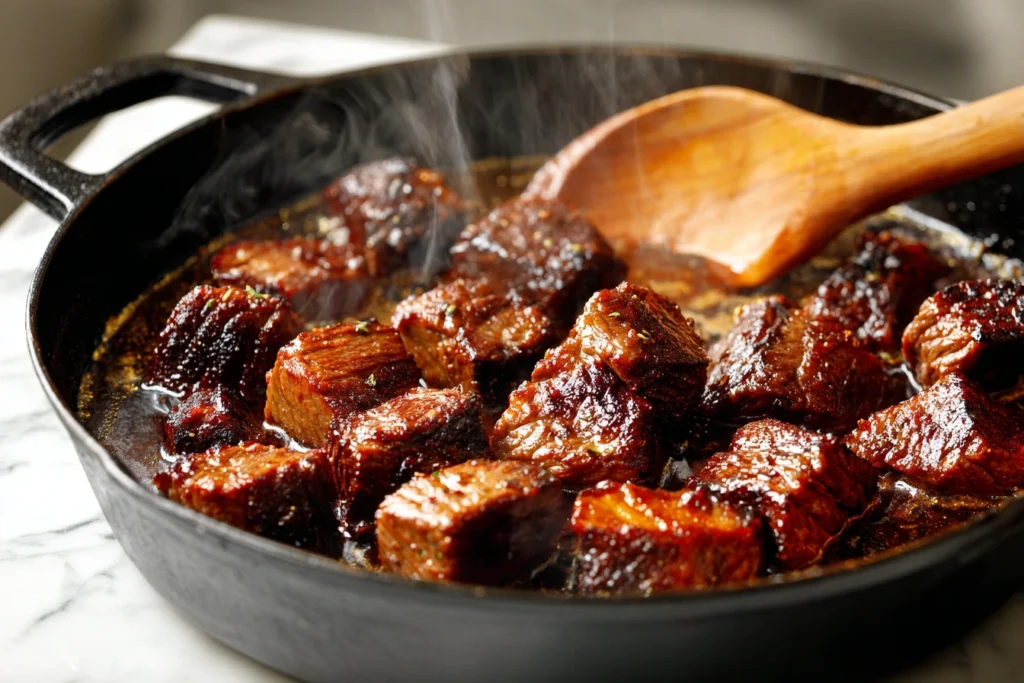
Proper browning is essential. Season the beef with salt and pepper, then brown it in a heavy pot over medium-high heat. Work in batches to avoid steaming the meat.
This step creates caramelized flavors that enrich the final dish. Once browned, the beef is set aside while the base of the stew is prepared.
Building the Stew Base
In the same pot, onions are cooked until soft and lightly golden. Garlic is added briefly to release its aroma. The chile sauce is then poured in and stirred thoroughly, lifting the flavorful browned bits from the bottom of the pot.
This mixture is gently simmered to allow the flavors to blend before the beef is returned to the pot.
Slow Cooking to Perfection
The browned beef is added back, followed by enough broth to partially cover the meat. Spices are added, and the heat is lowered. The stew is covered and allowed to simmer slowly.
This stage is where carne con chile truly develops its character. Over the course of two to three hours, the beef becomes tender and absorbs the chile sauce. Occasional stirring ensures even cooking and prevents sticking.
As the liquid reduces, the sauce thickens naturally, coating the meat with rich flavor.
Final Adjustments and Balance
Before serving, the stew is tasted and adjusted. Salt, spices, or liquid can be added as needed. The ideal consistency is thick but still spoonable.
Allowing the dish to rest briefly before serving enhances its depth, as the flavors continue to meld.
Serving Suggestions
Carne con chile is extremely versatile at the table. It can be served in many traditional and creative ways:
- Over plain rice
- With warm tortillas
- Alongside beans or vegetables
- As a filling for tacos or burritos
- With fresh herbs or citrus for contrast
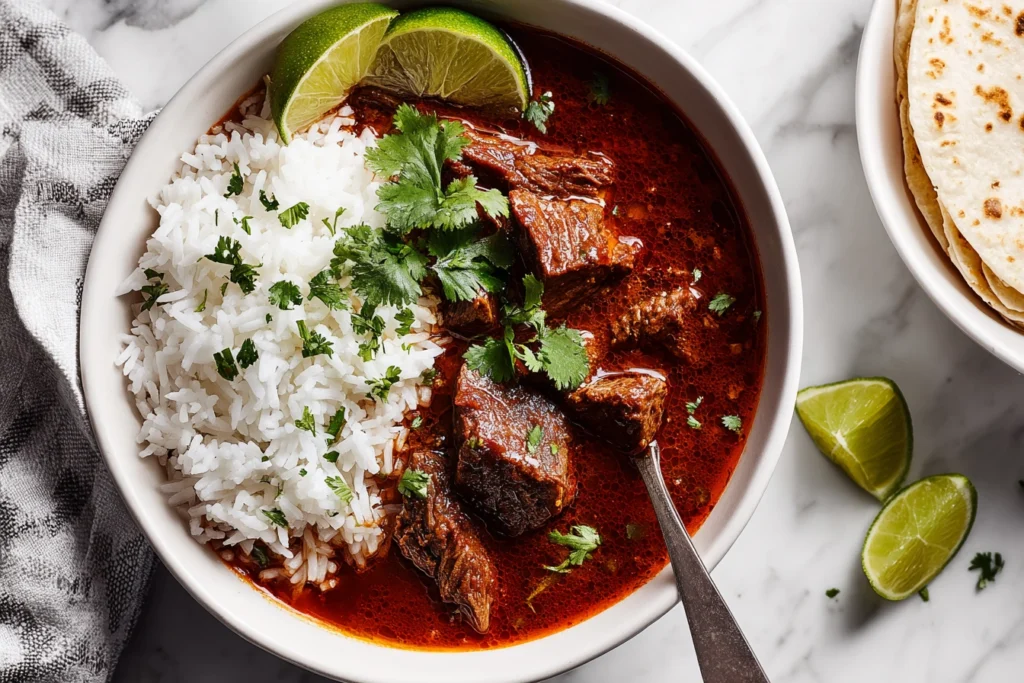
No matter how it is served, the dish remains hearty and satisfying.
Helpful Tips for Best Results
- Use well-marbled beef for tenderness
- Avoid rushing the cooking process
- Adjust chile quantity to control heat
- Stir occasionally during simmering
- Flavor improves after resting or reheating
These simple tips make a noticeable difference in the final result.
Popular Variations
While the traditional preparation is widely loved, carne con chile can be adapted in subtle ways:
- Adding beans for texture
- Using green chiles for a lighter profile
- Preparing it in a slow cooker
- Incorporating smoky spices
Each variation keeps the soul of the dish intact while offering something new.
Why This Dish Endures
The lasting appeal of carne con chile lies in its simplicity and depth. It is a dish that rewards patience and care, turning humble ingredients into something memorable. It brings warmth to the table and invites sharing, making it as meaningful as it is flavorful.
This recipe reflects a cooking philosophy that values time, balance, and tradition — qualities that never go out of style.
Frequently Asked Questions About carne con chile
How does “chile con carne” sound in Spanish?
“Chile con carne” literally means chile with meat. In Spanish-speaking regions, it often refers to a meat-based dish cooked with chiles, though the exact preparation varies by country.
What meat is used for Chile Colorado?
Chile Colorado is traditionally made with beef, most commonly beef chuck or beef shoulder, which becomes tender after slow cooking in a red chile sauce.
What is the best meat to use in chile?
The best meat for chile is well-marbled beef such as chuck roast or stew meat, as it stays juicy and tender during long simmering.
How is carne con chile traditionally made?
Carne con chile is traditionally prepared by slow-cooking chunks of beef in a sauce made from dried chiles, garlic, onions, and spices until the meat is tender and deeply flavored.
Conclusion
Rich, comforting, and deeply flavorful, carne con chile remains a timeless classic. Its tender beef, bold chile sauce, and slow-cooked richness make it a dish worth mastering. Whether prepared for a family meal or a special occasion, it delivers satisfaction with every bite.
Once you make it part of your kitchen repertoire, it becomes more than just a recipe — it becomes a tradition.
This article is informed by insights and culinary traditions shared in carefully selected external resources, which helped shape and enrich the recipe