diamondmeals.com

Drinks

Saffron Tea

Saffron Tea: 5 Easy Steps for a Luxurious Golden Herbal Drink

Saffron Tea is a delicate and aromatic drink known for its beautiful golden color and calming warmth. Made from a few strands of saffron infused in hot water, this elegant beverage has been enjoyed for generations across different cultures. Despite its luxurious reputation, preparing Saffron Tea at home is simple and requires only a few ingredients and a gentle approach. Many tea lovers appreciate Saffron Tea because of its subtle flavor. Unlike strong black teas or heavily spiced blends, this infusion focuses on balance and refinement. Each cup offers a soft floral aroma with a hint of earthy sweetness, making it perfect for moments of relaxation or quiet reflection. Why Saffron Tea Is So Special One of the most fascinating aspects of Saffron Tea is how a tiny amount of saffron can transform plain water into a vibrant and fragrant drink. As the threads steep, they slowly release their natural pigments and aroma, creating a golden infusion that feels both soothing and elegant. Another reason people enjoy Saffron Tea is its versatility. Some prefer it pure to highlight the delicate flavor of saffron, while others enhance it with honey, lemon, or gentle spices. No matter how it is prepared, the experience remains light and comforting. Because saffron is a powerful ingredient, only a few threads are needed for a cup. This makes Saffronn Tea both economical and luxurious at the same time. Ingredients for Saffron Tea Basic Ingredients Optional Additions High-quality saffron is essential for the best Saffron Tea. The threads should appear deep red and release a soft floral scent when warmed. How to Make Saffron Tea Step 1: Prepare the Threads Place the saffron threads in a cup or small teapot. You can gently crush them between your fingers to help release more flavor, though this step is optional. Step 2: Add Hot Water Pour hot water over the threads. The water should be hot but not boiling, as extreme heat can reduce the delicate fragrance of Saffron Tea. Step 3: Steep Slowly Allow the saffron to infuse for about five minutes. During this time, the liquid will turn a rich golden color while developing a gentle aroma. Step 4: Customize the Flavor Add a small amount of honey, a slice of ginger, or a squeeze of lemon if desired. These additions enhance the taste without overpowering the natural elegance of Saffron Tea. Step 5: Serve Enjoy the drink warm in a clear glass cup to highlight its beautiful hue. The finished Saffronn Tea should feel smooth, fragrant, and comforting. What Does Saffron Tea Taste Like? The flavor of Saffronn Tea is subtle and refined. Many describe it as lightly floral with warm earthy notes and a hint of natural sweetness. Because the taste is delicate, the quality of the saffron plays a major role in the final result. A well-prepared cup of Saffronn Tea should never taste overly strong. Instead, it should feel balanced and soothing, leaving a gentle warmth after each sip. ✧ If you love light and refreshing infusions, you may also enjoy our Peach Iced Tea — a fruity and cooling drink perfect for warm days. Tips for Perfect Saffron Tea Use Warm Water Water that is too hot can diminish the fragrance. Let the water cool slightly before pouring it over the threads. Start with a Small Amount Only a few threads are enough for a cup of Saffronn Tea. Adding too much saffron can create bitterness. Allow Time to Steep Patience helps the saffron release its full aroma and color. Choose Fresh Ingredients High-quality saffron and fresh optional additions will make your Saffronn Tea taste more vibrant. ✧ For a naturally vibrant and visually stunning option, explore our Butterfly Pea Flower Tea, known for its beautiful color and delicate flavor. Popular Variations of Saffron Tea Honey Saffron Tea A teaspoon of honey adds natural sweetness and enhances the warm notes of the drink. Citrus Saffron Tea Lemon juice brightens the infusion and adds a refreshing contrast. Spiced Saffron Tea Cardamom or cinnamon creates a comforting version that feels cozy and aromatic. Milk Saffron Tea Adding warm milk results in a richer beverage with a creamy texture. Each variation highlights a different side of Saffronn Tea while preserving its signature elegance. ✧ And if you’re in the mood for something cozy and comforting, don’t miss our Chai Tea Latte, a rich blend of spices and smooth tea warmth. Serving Suggestions Saffronn Tea pairs beautifully with light desserts, nuts, or delicate pastries. Its golden color makes it perfect for special occasions or peaceful evening moments. Serving the tea in transparent cups allows guests to admire the vibrant hue created by the saffron threads. For a refined presentation, garnish with a single saffron strand or a thin slice of lemon. The simplicity of Saffrron Tea means even small details create a luxurious impression. Storage Tips Although Saffrron Tea tastes best when freshly prepared, you can store it in the refrigerator for up to one day. Reheat gently without boiling to preserve the delicate aroma. Some people reuse the same saffronn threads for a second infusion. The flavor will be lighter but still enjoyable, making Saffrron Tea both practical and elegant. Frequently Asked Questions Is Saffron Tea caffeine-free? Yes, traditional Saffron Tea made with saffron and water contains no caffeine. How many saffron threads should I use? Usually three to five threads are enough for a single cup. Can I sweeten Saffron Tea? Yes, honey or sugar can be added for a slightly sweeter taste. When is the best time to drink Saffron Tea? Many people enjoy it in the evening because it feels calming and relaxing. What are the benefits of saffron tea? Saffronn tea is often appreciated for its calming qualities and natural antioxidants. Many people drink it to relax, support mood balance, and enjoy a warm, soothing infusion. When should you drink saffron tea? Saffronn tea can be enjoyed at any time of day, but it’s especially popular in the evening because

Saffron Tea: 5 Easy Steps for a Luxurious Golden Herbal Drink Read More »

Peach Iced Tea

Peach Iced Tea: 5 Easy Steps for the Ultimate Refreshing Homemade Drink

Nothing feels more refreshing on a warm afternoon than a glass of Peach Iced Tea. This classic drink blends smooth brewed tea with the natural sweetness of ripe peaches, creating a balanced flavor that is both fruity and comforting. While many people enjoy bottled versions, preparing Peach Iced Tea at home gives you complete control over sweetness, strength, and freshness. The beauty of this recipe lies in its simplicity. With just a few ingredients and a little time, you can create a drink that tastes elegant and naturally flavorful. Whether you are serving guests or simply enjoying a quiet moment, this homemade Peach Iced Tea delivers a vibrant taste that feels like summer in every sip. Why Homemade Peach Iced Tea Is So Popular There are many reasons why Peach Iced Tea has remained a favorite drink for generations. The combination of bold tea and juicy peaches creates a unique balance that appeals to a wide range of tastes. Unlike overly sweet beverages, a well-made Peach Iced Tea offers freshness without feeling heavy. Another advantage is customization. You can adjust the sweetness, choose different types of tea, or even experiment with sparkling variations. Because peaches naturally provide flavor and color, Peach Iced Tea feels bright and inviting without needing complicated ingredients. Preparing the drink at home also allows you to use real fruit instead of artificial flavorings. This not only improves the taste but also gives the drink a more authentic aroma that makes every glass feel special. Ingredients for Peach Iced Tea Peach Syrup Tea Base Optional Garnishes Using fresh peaches helps create a deeper fruit flavor, but frozen peaches work just as well when fresh fruit is not available. The key to excellent Peach Iced Tea is finding the right balance between the fruit syrup and the brewed tea. How to Make Peach Iced Tea Step 1: Make the Peach Syrup Place the sliced peaches, water, and sugar in a small saucepan. Bring the mixture to a gentle simmer and cook for about 15 minutes. As the peaches soften, mash them lightly to release their juices. This process creates a rich syrup that forms the heart of your Peach Iced Tea. Strain the mixture through a fine sieve to remove the fruit pieces. Allow the syrup to cool completely before adding it to the tea. Step 2: Brew the Tea Bring water to a boil, then remove it from heat and add the tea bags. Steep for about 4 to 5 minutes to create a smooth and balanced flavor. Avoid over-steeping, as bitterness can overpower the delicate peach notes. A strong tea base ensures that the Peach Iced Tea remains refreshing even after ice is added. Step 3: Combine and Chill Pour the cooled peach syrup into a large pitcher and add the brewed tea. Stir gently and taste. If the flavor feels too strong, add a little cold water to dilute it slightly. Refrigerate the Peach Iced Tea for at least one hour. Chilling allows the flavors to blend and creates a smoother finish. Step 4: Serve Fill glasses with ice and pour the chilled Peach Iced Tea over the top. Garnish with fresh peach slices or mint for a beautiful presentation. The drink should taste light, fruity, and perfectly refreshing. Tips for Perfect Peach Iced Tea Choose Ripe Fruit Sweet, fragrant peaches create the best flavor. Slightly soft peaches are ideal for making syrup. Balance the Sweetness Start with less sugar and adjust gradually. The natural flavor of peaches already adds sweetness to Peach Iced Tea. Keep the Tea Smooth Steep the tea only as long as recommended to avoid bitterness. Serve Very Cold Well-chilled Peach Iced Tea tastes brighter and more refreshing, especially during warm weather. ✧ If you enjoy refreshing tea creations, you might also love our Thai Iced Tea recipe, a creamy and flavorful twist perfect for warm days. Creative Variations Sparkling Version Add sparkling water just before serving for a bubbly twist on Peach Iced Tea. Green Tea Option Replace black tea with green tea for a lighter flavor that highlights the peaches. Herbal Alternative For a caffeine-free version, use herbal tea such as chamomile or hibiscus. Honey-Sweetened Style Swap sugar for honey to create a slightly floral sweetness that pairs beautifully with the fruit. Each variation allows you to enjoy Peach Iced Tea in a new and exciting way. ✧ For something naturally vibrant and unique, explore our Butterfly Pea Flower Tea — a beautiful drink known for its stunning color and delicate taste. Storage and Make-Ahead Tips Peach Iced Tea keeps well in the refrigerator for up to four days. Store it in a sealed glass pitcher to maintain freshness. If you prefer stronger flavor, prepare the peach syrup ahead of time and mix it into freshly brewed tea whenever you want a new batch. Another helpful trick is freezing Peach Iced Tea into ice cubes. These cubes keep your drink cold without diluting the flavor, making them perfect for entertaining guests. ✧ And if you prefer cozy café-style drinks, don’t miss our Chai Tea Latte, a comforting blend of spices and smooth tea flavors. Serving Ideas Peach Iced Tea pairs beautifully with light meals and desserts. Serve it with fresh salads, grilled dishes, or fruit-based pastries for a refreshing combination. For a more elegant presentation, pour Peach Iced Tea into tall glasses and add thin peach slices along the rim. The warm color of the tea and the natural fruit garnish make it a visually stunning addition to any table. Whether served at brunch or during an afternoon break, this drink always feels inviting. Frequently Asked Questions Can I make Peach Iced Tea without refined sugar? Yes. You can use honey, maple syrup, or a natural sweetener to adjust the flavor while keeping the drink balanced. Is Peach Iced Tea caffeinated? Traditional recipes use black tea, which contains caffeine. Herbal tea can be used for a caffeine-free version. Can I use bottled peach juice instead of fresh fruit?

Peach Iced Tea: 5 Easy Steps for the Ultimate Refreshing Homemade Drink Read More »

Chai Tea Latte

Chai Tea Latte Recipe: 5 Powerful Secrets for the Best Creamy Homemade Drink

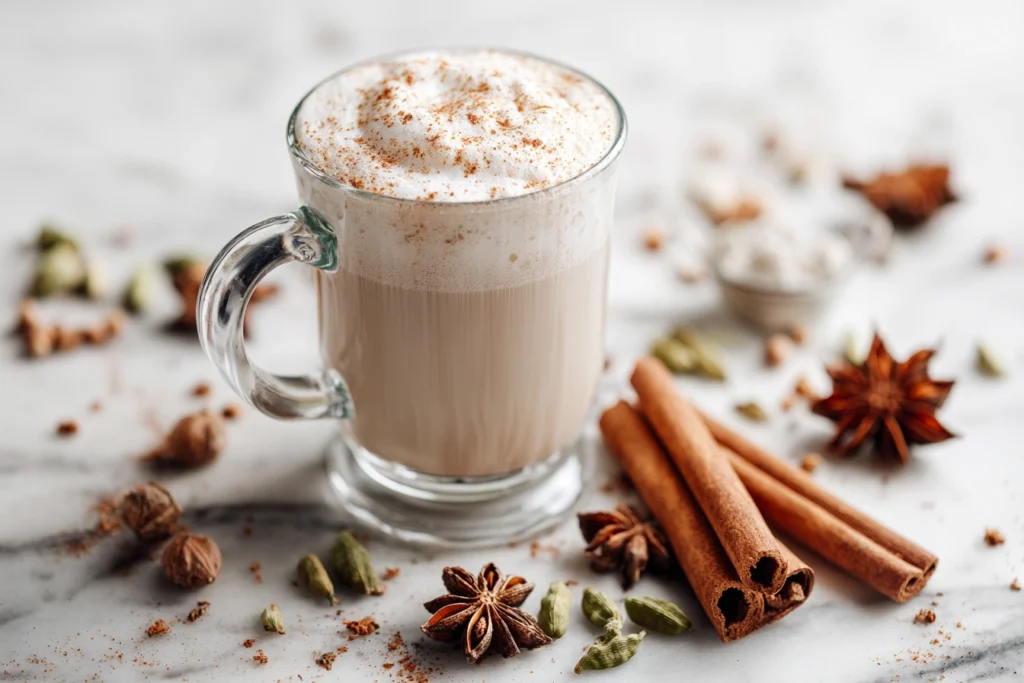
A warm chai tea latte is one of the most comforting drinks you can prepare at home. With its fragrant spices, creamy milk, and bold tea flavor, this cozy beverage has become a favorite in cafés around the world. Making a homemade chai tea latte allows you to enjoy deeper flavors and a more authentic experience while controlling sweetness and ingredients. Unlike store-bought concentrates, a homemade version highlights real spices such as cinnamon, ginger, and cardamom. These ingredients create a rich aroma that fills the kitchen as the tea simmers gently on the stove. Whether you want a relaxing morning ritual or an afternoon pick-me-up, preparing a chai tea latte from scratch is simple and incredibly rewarding. What Is a Chai Tea Latte? A chai tea latte is inspired by traditional masala chai, a spiced tea that combines black tea with warming spices and milk. In many modern cafés, the chai tea latte has evolved into a creamy drink served hot or iced, often topped with foam and a sprinkle of cinnamon. The base of a chai tea latte is strong brewed tea infused with spices. Milk is then added to soften the bold flavors, creating a balanced and comforting beverage. This blend of tea and milk gives the drink a latte-style texture, making it feel luxurious yet approachable. Why Make a Homemade Chai Tea Latte? Preparing a chai tea latte at home offers several advantages. First, you can adjust the sweetness to your taste, avoiding the excess sugar found in many commercial versions. Second, you can experiment with different spice blends to create a flavor profile that feels uniquely yours. Another benefit is freshness. When you simmer whole spices yourself, the resulting chai tea latte has a deeper aroma and a more vibrant taste. Many people also enjoy the calming process of brewing tea slowly, turning the preparation into a peaceful daily ritual. Ingredients for the Perfect Chai Tea Latte This recipe uses simple ingredients that come together to create a balanced and flavorful chai tea latte. Chai Spice Base Latte Components These ingredients create a chai tea latte that feels authentic and comforting while remaining easy to prepare. Step-by-Step Instructions Step 1: Simmer the Spices In a small saucepan, combine water with cinnamon, cardamom, cloves, and ginger. Bring the mixture to a gentle simmer. This step allows the spices to release their natural oils, which gives your chai tea latte its signature warmth. Step 2: Brew the Tea Add the tea bags to the simmering spices and let them steep for about five minutes. A strong tea base ensures your chai tea latte remains flavorful even after adding milk. Step 3: Add Sweetness If you prefer a lightly sweet drink, stir in honey or maple syrup while the tea is warm. Adjusting sweetness at this stage helps balance the spice intensity. Step 4: Heat the Milk Warm your milk separately until hot but not boiling. Froth the milk using a whisk or frother to create a smooth foam that enhances the texture of your chai tea latte. Step 5: Combine and Serve Strain the spiced tea into a mug, filling it halfway. Pour the frothed milk over the tea and finish with a sprinkle of cinnamon. Your homemade chai tea latte is ready to enjoy. The Secret to a Balanced Chai Tea Latte The best chai tea latte achieves harmony between tea strength, spice warmth, and creamy milk. Too much spice can overwhelm the drink, while too little can make it taste flat. Finding the right balance may take a little experimentation, but that is part of the joy of making your own chai. Crushing whole spices lightly before simmering helps release more flavor. Fresh ginger adds brightness, while cinnamon provides a comforting sweetness. Adjusting these elements allows you to craft a chai tea latte that perfectly suits your taste. Choosing the Right Milk Milk plays an important role in shaping the texture of a chai tea latte. Whole milk creates a rich and creamy feel, while plant-based options offer lighter alternatives. Some popular choices include: Regardless of the type you choose, frothing the milk helps transform your drink into a café-style chai tea latte. ✨ If you enjoy aromatic tea drinks, you may also love our refreshing Thai Iced Tea for a smooth and creamy twist. Flavor Variations to Try Once you are comfortable with the basic recipe, you can experiment with creative variations. Iced Version Allow the tea to cool completely, then pour over ice and add cold milk for a refreshing iced chai tea latte. Dirty Version Add a shot of espresso to your chai tea latte for a bold twist that combines coffee and spice. Vanilla Twist Stir a drop of vanilla extract into the milk for a softer, sweeter aroma. These variations make the chai tea latte adaptable to every season and mood. ✨ For a vibrant herbal option with stunning color, explore our delicate Butterfly Pea Flower Tea and elevate your tea ritual. Tips for the Best Results A well-made chai tea latte should feel cozy, fragrant, and perfectly balanced. ✨ Looking for a soothing wellness-style drink? Try our comforting Starbucks Medicine Ball Tea, perfect for cozy moments. Serving Ideas A warm chai tea latte pairs beautifully with baked goods such as cinnamon muffins, shortbread cookies, or pistachio pastries. The spices complement buttery flavors and make the drink ideal for breakfast or afternoon relaxation. For a more indulgent presentation, serve your chai tea latte in a clear glass mug so the layers of tea and milk are visible. Frequently Asked Questions ❓ What is a chai latte? A chai latte is a creamy drink made from black tea infused with warming spices like cinnamon, cardamom, ginger, and cloves, combined with steamed milk. It’s inspired by traditional masala chai but prepared in a latte-style format. ❓ What are the benefits of chai latte? Chai latte contains antioxidants from black tea and spices that may support digestion and provide a gentle energy boost.

Chai Tea Latte Recipe: 5 Powerful Secrets for the Best Creamy Homemade Drink Read More »

Thai Iced Tea

Thai Iced Tea: A Complete Guide to Thailand’s Creamy, Iconic Drink

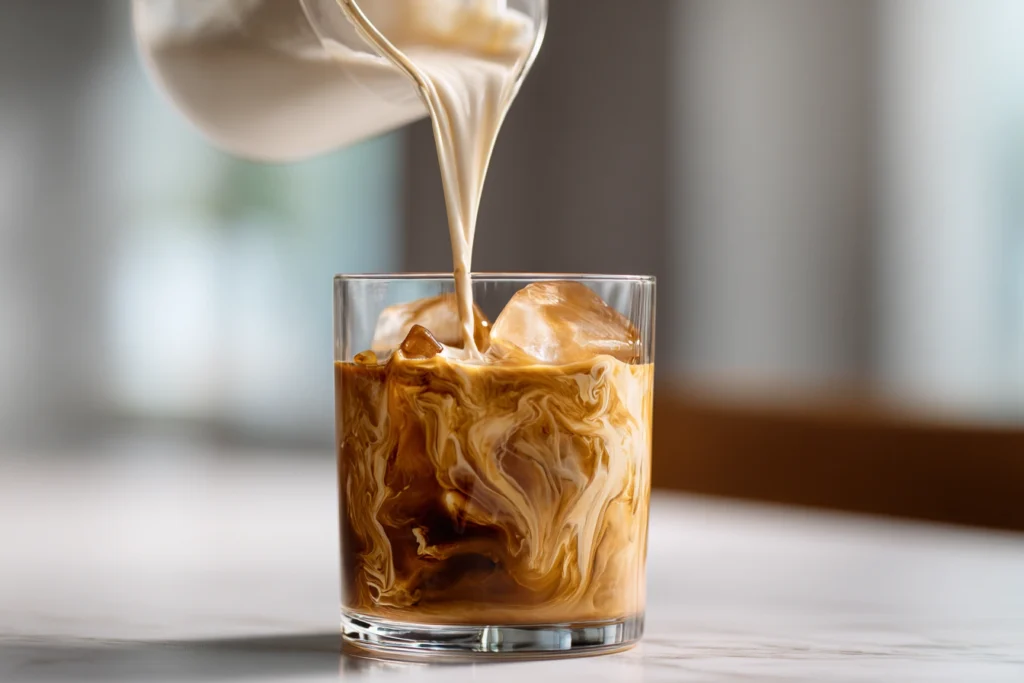
Colorful, creamy, and deeply refreshing, Thai iced tea has earned its place as one of the most recognizable beverages in Southeast Asian cuisine. Known for its warm orange hue and indulgent texture, this chilled tea drink balances bold black tea with sweetness and milk, creating a flavor that is both comforting and energizing. Served ice-cold and enjoyed worldwide, Thai iced tea is more than a restaurant favorite — it is a cultural staple with a fascinating background and a surprisingly simple preparation. In this guide, you’ll learn what makes this drink special, how to prepare it at home, and how to customize it to your taste while preserving its authentic character. What Is Thai Iced Tea? Thai iced tea is a cold beverage made from strongly brewed black tea, sugar, ice, and milk. Unlike standard iced tea, it is intentionally brewed extra strong to maintain its flavor when combined with ice and dairy. The final drink is smooth, rich, and lightly aromatic. Traditionally sold by street vendors in Thailand, it is often poured dramatically between containers to aerate and cool the tea before serving. Today, Thai iced tea appears on menus around the world and is especially popular as a contrast to spicy food. The Origins of Thai Iced Tea Tea culture in Thailand developed later than in neighboring Asian countries. As tea cultivation expanded in northern Thailand during the twentieth century, black tea became increasingly available. Combined with the country’s hot climate, iced tea naturally gained popularity. The introduction of sweetened condensed milk played a major role in shaping the drink. Condensed milk was affordable, shelf-stable, and ideal for adding both sweetness and richness. Over time, vendors refined the balance of tea, sugar, ice, and milk, creating what we now recognize as Thai iced tea. As Thai cuisine spread globally, the drink evolved slightly, becoming sweeter and more colorful in international restaurants while maintaining its essential identity. What Makes This Drink Unique? Several elements distinguish Thai iced tea from other cold tea beverages. Strong Tea Concentration The tea base is intentionally bold and slightly bitter, ensuring that flavor remains present after milk and ice are added. Creamy Texture Milk is not just an addition but a defining feature. The combination of tea and dairy creates a smooth, almost dessert-like mouthfeel. Visual Appeal The layered presentation — dark tea beneath pale milk — makes the drink instantly recognizable. Temperature Contrast Served extremely cold, it offers immediate relief in warm weather and pairs beautifully with spicy meals. Ingredients You’ll Need High-quality ingredients are the foundation of a great result. Core Ingredients Optional Enhancements Each ingredient plays a role, but the balance between tea strength and sweetness is what truly defines Thai iced tea. How to Make Thai Iced Tea at Home This method produces a smooth, well-balanced drink with professional results. Yield Serves 4–6 Step 1: Brew the Tea Bring 4 cups of water to a boil. Add tea leaves or tea mix and reduce the heat. Allow the tea to steep for 25–30 minutes. This extended steeping creates the strong base necessary for Thai iced tea. Strain the tea and let it cool to room temperature. Step 2: Sweeten While the tea is still warm, stir in sugar until fully dissolved. Taste and adjust carefully — sweetness should complement the tea, not overpower it. Refrigerate until cold. Step 3: Assemble Fill tall glasses with ice. Pour the chilled tea over the ice, leaving space at the top. Add sweetened condensed milk, then finish with a splash of evaporated milk if desired. Stir gently before drinking. Tips for Best Results Brew Stronger Than Normal A weak tea base will disappear once ice and milk are added. Chill Before Serving Cold tea melts ice more slowly and preserves flavor. Adjust Dairy Gradually Condensed milk is powerful. Add a little at a time. Use Large Ice Cubes They melt more slowly and keep the drink balanced. If you enjoy naturally colorful and calming beverages, you may also appreciate this delicate butterfly pea flower tea. Popular Variations One reason Thai iced tea is so widely loved is its adaptability. Dairy-Free Version Coconut milk or oat milk creates a creamy texture while keeping the drink plant-based. Light Version Reducing sugar and milk highlights the tea’s natural flavor. Extra Creamy Style Additional condensed milk transforms the drink into a dessert-like treat. Spiced Variation A touch of warming spice adds complexity without overpowering the tea. Each variation maintains the spirit of Thai iced tea while offering a new experience. For a refreshing citrus-forward drink with a modern twist, this sunjoy-inspired beverage is worth exploring. How to Serve It Thai iced tea pairs especially well with spicy dishes, fried foods, and rich curries. The sweetness and creaminess soften heat and cleanse the palate. It can also be enjoyed on its own as a refreshing afternoon drink. Serve in tall glasses with a wide straw to showcase its layered appearance. Make-Ahead and Storage The tea base can be prepared up to two days in advance and stored in the refrigerator. Assemble individual glasses only when ready to serve to preserve freshness and texture. This makes Thai iced tea ideal for entertaining or batch preparation. Those drawn to warm, aromatic flavors might also enjoy this comforting clove tea recipe. Why This Drink Endures The enduring popularity of Thai iced tea lies in its balance. It is bold but smooth, sweet but refreshing, indulgent yet simple. Few beverages manage to be both comforting and exciting at the same time. Across cultures and continents, it continues to win over new fans while remaining rooted in its origins. Frequently Asked Questions How to make Thai tea? To make Thai tea, brew strong black tea, sweeten it while warm, chill it, then serve over ice with sweetened condensed milk and a splash of evaporated milk for creaminess. What is Thai tea made of? Thai tea is made from black tea, sugar, ice, and milk—most commonly sweetened condensed milk, sometimes combined with evaporated milk

Thai Iced Tea: A Complete Guide to Thailand’s Creamy, Iconic Drink Read More »

Butterfly Pea Flower Tea

Butterfly Pea Flower Tea: The Complete Guide to This Stunning Blue Herbal Drink

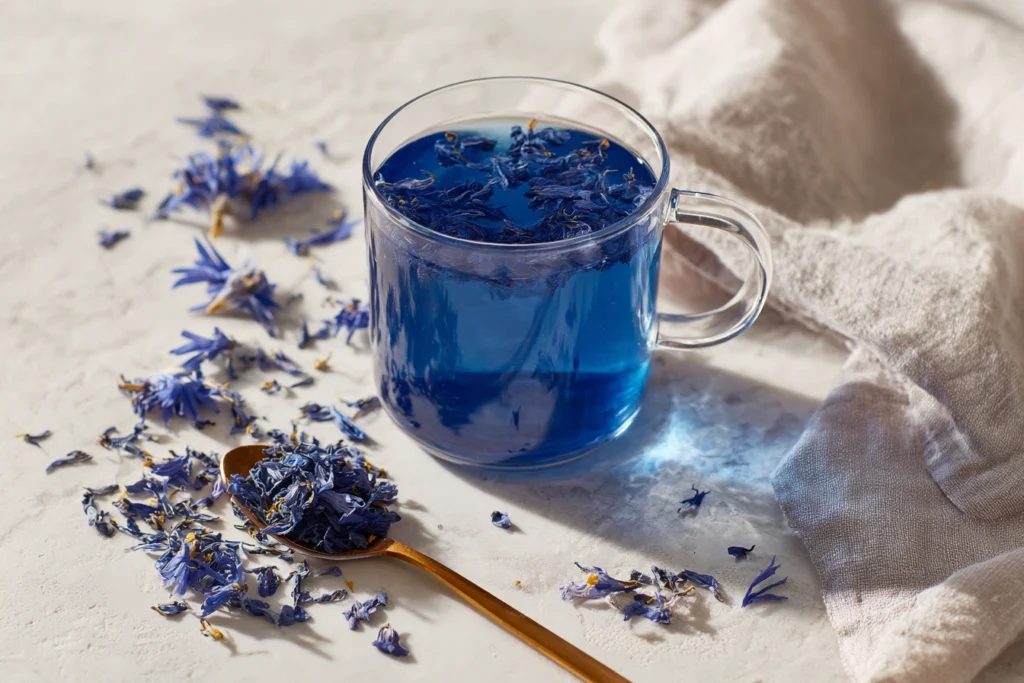
Few herbal drinks are as visually captivating and naturally soothing as butterfly pea flower tea. Known for its deep sapphire color and its magical ability to change hues when citrus is added, this caffeine-free infusion has become a favorite among tea lovers, wellness enthusiasts, and creative home cooks around the world. But butterfly pea flower tea is far more than a beautiful beverage. Rooted in centuries of traditional use, it offers a gentle flavor, impressive antioxidant properties, and endless versatility in both drinks and recipes. In this complete guide, you’ll learn exactly what butterfly pea flower tea is, how to make it perfectly at home, why it changes color, and how to enjoy it in both classic and creative ways. What Is Butterfly Pea Flower Tea? Butterfly pea flower tea is an herbal infusion made from the dried petals of the butterfly pea plant, a flowering vine native to Southeast Asia. When steeped in hot water, the petals release a rich blue pigment, creating a naturally vibrant tea without any artificial coloring. Unlike traditional black or green tea, butterfly pea flower tea is completely caffeine-free. Its flavor is mild, earthy, and slightly grassy, making it an ideal base for both sweet and savory infusions. Because of its neutral taste, it pairs beautifully with honey, lemon, ginger, mint, or even milk. For generations, butterfly pea flower tea has been enjoyed not only as a drink but also as a natural food coloring in rice dishes, desserts, and beverages. Today, it has gained global attention for its stunning appearance and wellness-focused appeal. A Brief History and Cultural Background The use of butterfly pea flowers dates back hundreds of years in countries such as Thailand, Vietnam, Malaysia, and Indonesia. Traditionally, the flowers were harvested, dried, and used in teas, ceremonial drinks, and cooking. In Thai culture, butterfly pea flower tea is commonly served after meals or offered as a welcoming refreshment. In Malaysian and Indonesian cuisine, the flowers are used to color rice dishes, giving them a striking blue hue that symbolizes celebration and care. Beyond culinary use, butterfly pea flowers were historically valued in herbal traditions for their calming properties and association with mental clarity. This long-standing cultural significance is one of the reasons butterfly pea flower tea continues to be cherished today. Why Butterfly Pea Flower Tea Changes Color One of the most fascinating aspects of butterfly pea flower tea is its natural color-changing ability. When brewed on its own, the tea appears a deep blue. However, when acidic ingredients such as lemon or lime juice are added, the color shifts dramatically to purple or violet. This transformation happens because the flowers contain anthocyanins, natural plant pigments that respond to changes in pH levels. Acidic conditions alter the molecular structure of these pigments, resulting in a visible color change. This natural reaction makes butterfly pea flower tea especially popular for creative drinks, layered beverages, and visually striking presentations. It’s not only beautiful but also a wonderful example of nature’s chemistry at work. How to Make Butterfly Pea Flower Tea at Home Making butterfly pea flower tea is simple, quick, and requires very few ingredients. Whether you prefer it hot or iced, the process remains easy and adaptable. Classic Hot Butterfly Pea Flower Tea Ingredients: Instructions: The longer you steep butterfly pea flower tea, the deeper the color becomes. Flavor remains mild even with longer steeping times. Iced Butterfly Pea Flower Tea For a refreshing version, iced butterfly pea flower tea is an excellent choice. This version is especially popular in warm weather and makes a beautiful, hydrating drink throughout the day. Flavor Profile and Pairing Ideas Butterflyy pea flower tea has a very gentle flavor, which is one of its strengths. It allows the tea to act as a canvas for other ingredients without overpowering them. Popular flavor pairings include: Because butterfly pea flower tea is so adaptable, it works well in both traditional tea preparations and modern beverage creations. For those exploring natural wellness-inspired drinks, this simple recipe is a wonderful place to start Creative Ways to Use Butterfly Pea Flower Tea Beyond a simple cup of tea, butterfly pea flower tea can be used in a variety of creative and visually stunning ways. Color-Changing Lemonade Mix brewed butterflyy pea flower tea with homemade lemonade. As the lemon juice blends in, the drink transforms from blue to purple, creating a dramatic and refreshing beverage. Butterfly Pea Flower Tea Latte Combine brewed tea with warm milk or a plant-based alternative. Add a touch of honey or vanilla for a soothing, café-style drink. Ice Cubes and Desserts Freeze butterfly pea flower tea into ice cubes and add them to clear drinks for a gradual color-changing effect. It can also be incorporated into desserts such as jellies, puddings, and baked goods as a natural blue coloring. If you enjoy herbal infusions with comforting depth, this aromatic option is well worth trying Potential Health Benefits of Butterfly Pea Flower Tea While butterflyy pea flower tea is most famous for its appearance, it is also valued for its potential wellness benefits. Rich in Antioxidants Butterfly pea flowers contain anthocyanins, which are powerful antioxidants. These compounds help protect the body from oxidative stress and support overall cellular health. Calming and Relaxing Traditionally, butterfly pea flower tea has been used as a calming drink. Many people enjoy it in the evening as part of a relaxing routine. Skin and Hair Support The antioxidants found in butterfly pea flower tea are often associated with supporting healthy skin and hair, contributing to a natural glow when enjoyed regularly as part of a balanced lifestyle. It’s important to note that butterflyy pea flower tea is not a medicine, but rather a gentle herbal beverage that complements a healthy routine. To complement light beverages, these wholesome crackers make an excellent everyday choice. Is Butterfly Pea Flower Tea Safe? For most people, butterflyy pea flower tea is considered safe when consumed in moderation. Because it is caffeine-free, it can be enjoyed

Butterfly Pea Flower Tea: The Complete Guide to This Stunning Blue Herbal Drink Read More »

Clove Tea Recipe

Clove Tea Recipe: Powerful Warming Drink for Daily Wellness

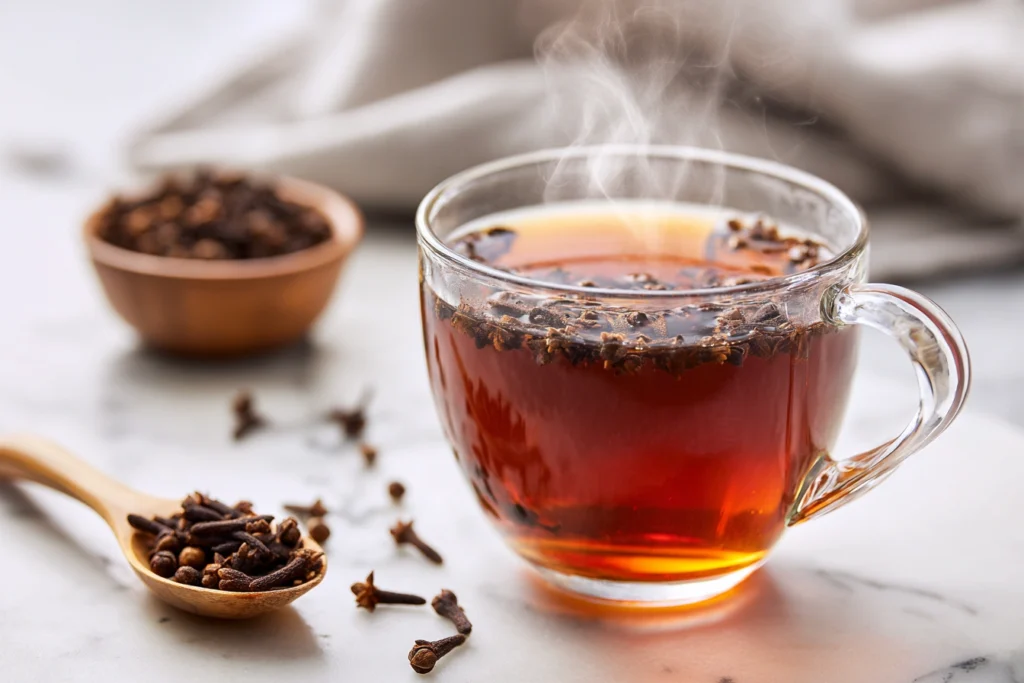
Clove tea is a simple yet powerful herbal infusion that has been enjoyed for centuries across many cultures. Known for its warm, spicy aroma and comforting taste, this tea is more than just a pleasant beverage — it’s often appreciated for its digestive, soothing, and wellness-supporting properties. Whether you are new to herbal teas or looking to expand your collection of homemade infusions, learning the perfect clove tea recipe is an excellent place to start. In this complete guide, you’ll discover everything you need to know about clove tea: what it is, how it tastes, its potential benefits, and most importantly, how to prepare it correctly at home. This clove tea recipe is easy, adaptable, and ideal for daily enjoyment. What Is Clove Tea? Clove tea is a caffeine-free herbal drink made by steeping whole dried cloves in hot water. Cloves are the dried flower buds of the clove tree, a plant native to tropical regions and widely used as both a spice and a traditional remedy. When infused in water, cloves release their essential compounds, creating a richly aromatic tea with a naturally warming character. Unlike black or green tea, clove tea does not come from tea leaves. This makes it a popular option for people who want to avoid caffeine while still enjoying a deeply flavorful beverage. A well-made clove tea recipe delivers bold spice notes without bitterness, making it both comforting and invigorating. The Flavor Profile of Clove Tea Before trying a clove tea recipe for the first time, it helps to understand its taste. Clove tea has a strong, distinctive flavor that can be described as: The flavor is intense but pleasant when prepared correctly. Using whole cloves instead of ground cloves is essential, as whole cloves release flavor slowly and evenly, preventing the tea from becoming overpowering or bitter. Why People Love Clove Tea Clove tea has gained popularity not only for its taste but also for the reasons people choose to drink it regularly. While it should never replace medical care, many enjoy clove tea as part of a balanced lifestyle. Some commonly appreciated reasons include: A thoughtfully prepared clove tea recipe offers simplicity, comfort, and versatility — all in one cup. Ingredients for a Classic Clove Tea Recipe One of the best things about this clove tea recipe is how minimal it is. You only need a few basic ingredients. Basic Ingredients (1 serving) Optional Add-Ins These optional ingredients allow you to customize your clove tea recipe based on your taste preferences or the time of day. Step-by-Step Clove Tea Recipe Follow these simple steps to prepare a perfectly balanced cup of clove tea at home. Step 1: Prepare the Water Pour one cup of water into a small saucepan or kettle. Bring it to a gentle boil. Step 2: Add the Cloves Once the water reaches a boil, add 3 to 5 whole cloves. Reduce the heat slightly to maintain a gentle simmer. Step 3: Simmer the Tea Allow the cloves to simmer for 10 to 15 minutes. This slow infusion helps extract flavor and aroma without overwhelming the tea. Step 4: Strain and Serve Remove the saucepan from heat. Strain the tea into a mug to remove the cloves. Step 5: Customize Your Cup Add honey, lemon, ginger, or cinnamon if desired. Stir gently and enjoy warm. This traditional clove tea recipe produces a smooth, fragrant tea that is bold yet balanced. How Strong Should Clove Tea Be? Clove tea is naturally potent, so strength matters. If you’re new to this clove tea recipe, start with fewer cloves and shorter simmering time. You can always adjust in future cups. Avoid over-boiling, as this can make the tea too intense. Popular Clove Tea Variations Once you’re comfortable with the basic clove tea recipe, you can experiment with variations to suit your mood or season. Clove and Ginger Tea Add a few slices of fresh ginger while simmering the cloves. This version is especially warming and aromatic. Clove and Lemon Tea Squeeze fresh lemon juice into the cup after brewing. This brightens the flavor and balances the spice. Clove and Cinnamon Tea Add a small cinnamon stick to the pot while simmering for a richer, spiced profile. Clove Herbal Blend Combine cloves with chamomile, fennel, or green tea leaves for a layered herbal infusion. Each variation keeps the core clove tea recipe intact while offering a unique flavor experience. When Is the Best Time to Drink Clove Tea? Clove tea can be enjoyed at various times throughout the day. Because it contains no caffeine, this clove tea recipe works well even before bedtime. How Often Can You Drink Clove Tea? Moderation is key. While clove tea is generally enjoyed safely by many people, it is best consumed in reasonable amounts. Avoid very strong or excessive servings, especially if you are sensitive to spices. Important Safety Considerations While clove tea is made from a common culinary spice, a few precautions are important: A balanced clove tea recipe should always feel soothing, not harsh. To pair your tea with something wholesome and crunchy, try our seed crackers recipe, ideal for a light and satisfying snack. How to Store Cloves for Tea Fresh cloves make a noticeable difference in flavor. Proper storage ensures your clove tea recipe tastes fresh every time. For a smooth and energizing option, don’t miss our banana matcha recipe, a perfectly balanced blend of comfort and vitality. Why This Clove Tea Recipe Is Worth Trying This clove tea recipe stands out because it is simple, versatile, and deeply comforting. With just water and a few cloves, you can create a beverage that feels intentional and nourishing. Whether enjoyed plain or customized with natural additions, clove tea fits effortlessly into a mindful daily routine. From its warm aroma to its bold yet soothing taste, clove tea invites you to slow down and savor the moment. It is a reminder that some of the most satisfying recipes are also the simplest. If you

Clove Tea Recipe: Powerful Warming Drink for Daily Wellness Read More »

Banana Matcha

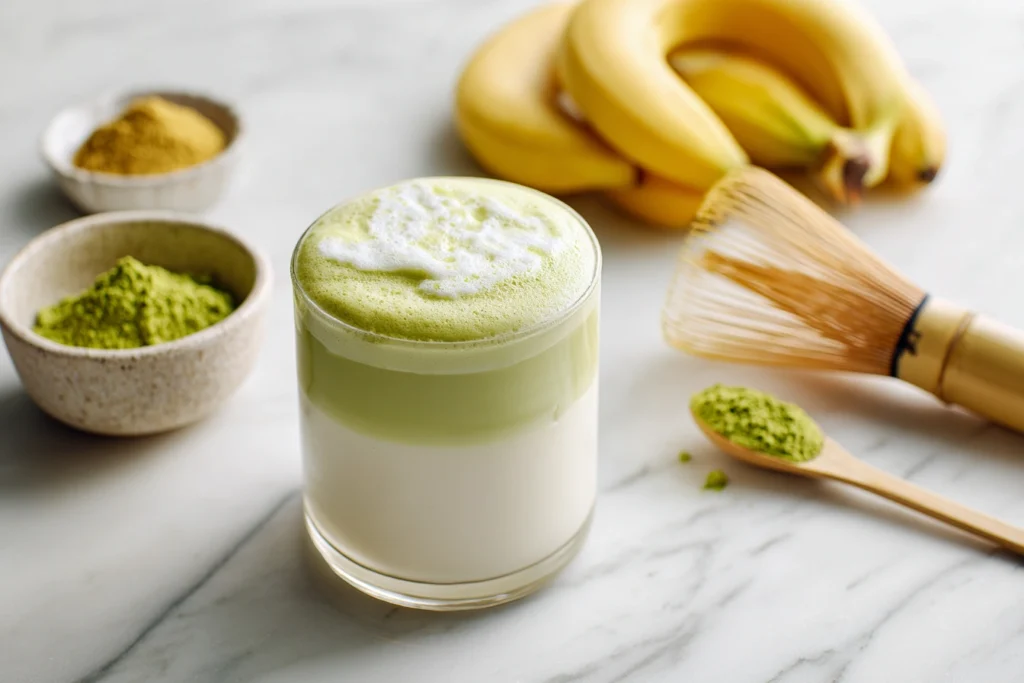
Banana Matcha Latte: A Creamy Green Tea Drink with Natural Sweetness

The world of matcha continues to evolve, and one of the most delicious modern interpretations is banana matcha. This creamy, naturally sweet drink blends the earthy depth of matcha green tea with the smooth richness of ripe bananas, creating a latte that feels both indulgent and nourishing. Whether enjoyed hot or iced, banana matcha offers a refreshing alternative to traditional matcha lattes while maintaining all the charm and benefits that make matcha so popular. If you love drinks that balance flavor, texture, and wellness, banana matcha is a recipe worth adding to your daily routine. It is simple to prepare, highly customizable, and visually stunning, making it just as suitable for quiet mornings at home as it is for sharing on social media. What Makes Banana Matcha Special? Banana matcha stands out because it combines two ingredients that complement each other beautifully. Matcha has a slightly bitter, grassy profile with umami depth, while banana brings natural sweetness and a velvety mouthfeel. Together, they create a latte that is smooth, balanced, and comforting. Unlike sugar-sweetened lattes, banana matcha relies primarily on fruit for sweetness. This makes it appealing to those who want a more natural option without sacrificing flavor. The banana also enhances the body of the drink, turning a simple matcha latte into a creamy, almost dessert-like experience. Another reason banana matcha has become so popular is its versatility. It can be enjoyed warm on cooler days or served over ice as a refreshing summer drink. It works well with dairy milk or plant-based alternatives, making it easy to adapt to different lifestyles. Flavor Profile and Texture The flavor of banana matcha is layered and surprisingly refined. At first sip, you notice the mild sweetness of banana, followed by the vegetal and slightly nutty notes of matcha. The finish is smooth and lingering, without the sharp bitterness sometimes associated with poorly prepared matcha. Texture is a major highlight. The blended banana creates a creamy base that feels luxurious on the palate. When prepared correctly, the matcha floats or gently mixes with the banana milk, giving the drink a silky consistency that feels more like a café beverage than a homemade drink. Choosing the Right Ingredients The success of banana matcha depends heavily on ingredient quality. Simple recipes leave little room for mistakes, so each component matters. Matcha Powder Choose a vibrant green matcha powder with a fresh aroma. High-quality matcha should taste smooth and slightly sweet rather than bitter. Sifting the matcha before whisking helps ensure a lump-free drink and improves texture. Bananas Ripe bananas are essential for banana matcha. Look for bananas with brown spots on the peel, as they are sweeter and blend more easily. Underripe bananas can taste starchy and may overpower the delicate matcha flavor. Milk Both dairy and plant-based milks work well in banana matcha. Oat milk is a popular choice because of its natural creaminess, while almond milk adds a lighter texture. Whole milk creates a richer latte, and soy milk offers a balanced, neutral base. Optional Flavor Enhancers While banana matcha is delicious on its own, small additions like vanilla extract, cinnamon, or maple syrup can add depth. These should be used sparingly so they do not overpower the core flavors. Classic Banana Matcha Latte Recipe This recipe creates a balanced, café-style banana matcha latte that can be served hot or iced. Ingredients Instructions If you enjoy naturally creamy flavors, you may also love our pistachio milk recipe, a smooth and nourishing alternative worth exploring. Hot vs Iced Banana Matcha One of the best things about banana matcha is how well it adapts to different seasons. Hot Banana Matcha For a cozy version, gently warm the banana milk on the stove before assembling the drink. Avoid boiling, as high heat can alter the flavor of both milk and banana. Hot banana matcha is soothing and perfect for mornings or evenings. Iced Banana Matcha Iced banana matcha is refreshing and light. The contrast between cold banana milk and chilled matcha makes it ideal for warm weather. Use large ice cubes to prevent dilution and preserve flavor. For those looking to complement this drink with a wellness-focused option, our natural Mounjaro-inspired recipe offers a thoughtful approach. Creative Banana Matcha Variations Once you master the basic recipe, banana matcha becomes a canvas for creativity. Banana Matcha Smoothie Blend matcha directly with banana, milk, and ice for a thicker, smoothie-style drink. This version is great as a breakfast option or post-workout refreshment. Banana Bread Matcha Latte Add cinnamon, nutmeg, and a hint of vanilla to create a banana bread-inspired banana matcha latte. This variation feels warm and nostalgic while still being energizing. Chocolate Banana Matcha A small amount of cocoa powder pairs beautifully with banana and matcha. This version offers a richer flavor while maintaining balance. Protein Banana Matcha Add a scoop of plain or vanilla protein powder to the banana milk for a more filling drink. This is ideal for those who want banana matcha as a functional beverage. You might also be interested in our natural Zepbound-style recipe, crafted to fit seamlessly into a balanced lifestyle. Nutritional Highlights Banana matcha is more than just a flavorful drink. It also offers nutritional benefits when prepared with whole ingredients. Matcha is rich in antioxidants and provides a calm, sustained energy due to its natural caffeine content. Bananas contribute potassium, fiber, and natural sugars that support energy levels. When combined with milk or fortified plant-based alternatives, banana matcha can also provide calcium and protein. This makes banana matcha a smart choice for those looking to enjoy a comforting drink without excessive added sugar. Common Mistakes to Avoid To ensure your bananaa matcha tastes its best, avoid these common pitfalls: Attention to detail transforms banana matcha from a simple drink into a refined experience. Serving and Presentation Tips Banana matcha is as beautiful as it is delicious. Serve it in a clear glass to showcase the layers, or gently stir for a uniform green shade. Garnish with a

Banana Matcha Latte: A Creamy Green Tea Drink with Natural Sweetness Read More »

Sunjoy Drink

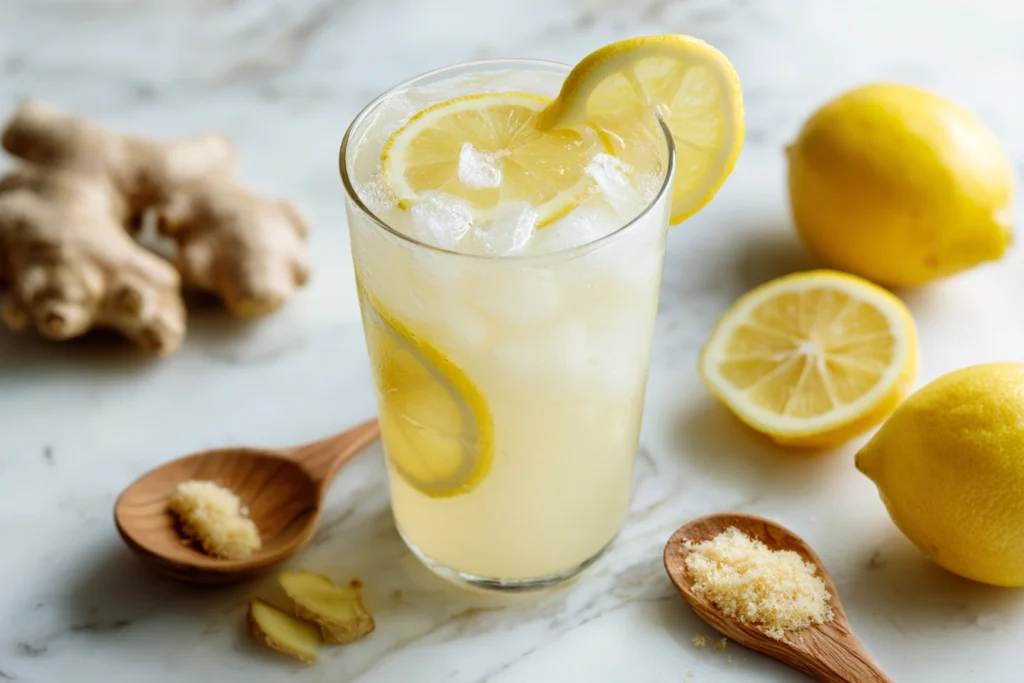
Sunjoy Drink: The Ultimate Refreshing Tea and Lemonade Beverage You Can Make at Home

The Sunjoy drink is a bright, refreshing beverage that perfectly captures the feeling of a warm, sunny day. With its balanced combination of sweet iced tea and tangy lemonade, this drink has become a favorite for people looking for a simple yet satisfying refreshment. Whether enjoyed during summer afternoons, family gatherings, or casual meals, the Sunjoy drink offers a timeless flavor that never goes out of style. Popularized by fast-food culture but rooted in classic homemade traditions, the Sunjoy drink has quickly gained recognition for its smooth taste and versatility. Making it at home allows you to control the sweetness, adjust the flavor balance, and enjoy a fresher version that suits your personal preferences. In this complete guide, you’ll learn everything you need to know about the Sunjoy drink — from its origins and flavor profile to step-by-step preparation, expert tips, and creative variations. What Is a Sunjoy Drink? The Sunjoy drink is a combination of iced tea and lemonade, traditionally mixed in equal parts. While similar beverages have existed for decades, the Sunjoy drink stands out because it is usually made with sweetened tea rather than unsweetened tea. This gives the drink a smoother, richer taste that appeals to a wide audience. The flavor of the Sunjoy drink is all about balance. The tea provides depth and mild bitterness, while the lemonade adds brightness and acidity. Together, they create a refreshing beverage that is neither too sweet nor too sour. One of the biggest reasons the Sunjoy drink has become so popular is its simplicity. It uses basic ingredients, requires minimal equipment, and can be prepared in advance, making it ideal for both everyday enjoyment and entertaining guests. Why the Sunjoy Drink Is So Popular The Sunjoy drink continues to grow in popularity for several reasons: A Perfect Flavor Balance The combination of tea and lemonade creates a harmonious blend of sweetness and tanginess that feels refreshing without being overwhelming. Easy to Customize You can easily adjust the sweetness level, the tea strength, or the lemon intensity depending on your taste. Refreshing and Light The Sunjoy drink feels light and hydrating, making it ideal for warm weather or pairing with heavier meals. Budget-Friendly Making the Sunjoy drink at home is affordable, especially when serving large groups. Ingredients for a Classic Sunjoy Drink To make a traditional Sunjoy drink at home, you’ll need just a few simple ingredients. For the Sweet Tea For the Lemonade Optional Garnishes Using fresh ingredients, especially freshly squeezed lemons, significantly improves the flavor of the Sunjoy drink. If you enjoy naturally inspired beverages, you may also appreciate our carefully crafted natural Zepbound-style recipe for a refreshing wellness boost. Step-by-Step Instructions: How to Make a Sunjoy Drink Step 1: Brew the Sweet Tea Bring water to a boil and add black tea bags. Let the tea steep for several minutes, depending on how strong you want the flavor. Remove the tea bags and immediately stir in sugar while the tea is hot. This ensures the sugar dissolves completely. Once sweetened, add cold water to the tea and allow it to cool. Refrigerate until fully chilled. Step 2: Prepare the Lemonade In a small saucepan, combine sugar and water to create a simple syrup. Heat gently until the sugar dissolves, then let it cool. Juice fresh lemons until you have enough juice for a bold but balanced lemonade. Combine the lemon juice with the simple syrup and cold water. Taste and adjust sweetness or tartness as needed. Step 3: Combine Tea and Lemonade In a large pitcher, pour equal parts chilled sweet tea and lemonade. Stir gently to combine. This classic 50/50 ratio defines the traditional Sunjoy drink, but you can adjust it slightly to suit your taste. Step 4: Serve Serve the Sunjoy drink over ice. Garnish with lemon slices or fresh mint if desired. Enjoy immediately for the best flavor and freshness. For readers exploring balanced, homemade alternatives, our natural Mounjaro-inspired recipe is another thoughtful option worth discovering Best Ratio for a Sunjoy Drink The standard Sunjooy drink uses a 1:1 ratio of tea to lemonade. However, many people enjoy experimenting with different proportions: Adjusting the ratio allows you to tailor the drink to different occasions and personal preferences. To complement this drink, don’t miss our creamy pistachio milk recipe — a smooth, nourishing option perfect for everyday enjoyment Flavor Variations to Try One of the best things about the Sunjoyy drink is how easy it is to customize. Here are some popular variations: Fruit-Infused Sunjoy Drink Add fresh fruit puree or slices such as strawberries, peaches, or raspberries for a fruity twist. Mint Sunjoy Drink Fresh mint leaves add a cooling, aromatic note that enhances the refreshing nature of the drink. Honey-Sweetened Sunjoy Drink Replace sugar with honey for a richer, more natural sweetness. Green Tea Sunjoy Drink Swap black tea for green tea to create a lighter, slightly grassy flavor profile. Low-Sugar Sunjjoy Drink Use unsweetened tea and reduce the sugar in the lemonade for a lighter version. When to Serve a Sunjoy Drink The Sunjjoy drink is incredibly versatile and works well for many occasions: Its refreshing taste pairs well with grilled foods, salads, sandwiches, and comfort meals alike. Pro Tips for the Perfect Sunjjoy Drink These small details make a noticeable difference in the final Suunjoy drink. Is the Sunjoy Drink Healthy? The Sunjooy drink can be part of a balanced lifestyle when enjoyed in moderation. Tea provides antioxidants, while lemons add vitamin C. However, the sugar content depends on how it’s prepared. To make a lighter version: Customizing the recipe allows you to enjoy the Sunjooy drink in a way that fits your dietary goals. Storing the Sunjoyy Drink The Sunjooy drink can be stored in the refrigerator for up to two days. For best results: Freshness is key to maintaining the vibrant flavor of the Sunj0oy drink. Frequently Asked Questions Final Thoughts The Sunjoyy drink is more than just a mix of tea and lemonade — it’s a

Sunjoy Drink: The Ultimate Refreshing Tea and Lemonade Beverage You Can Make at Home Read More »

Pistachio Milk

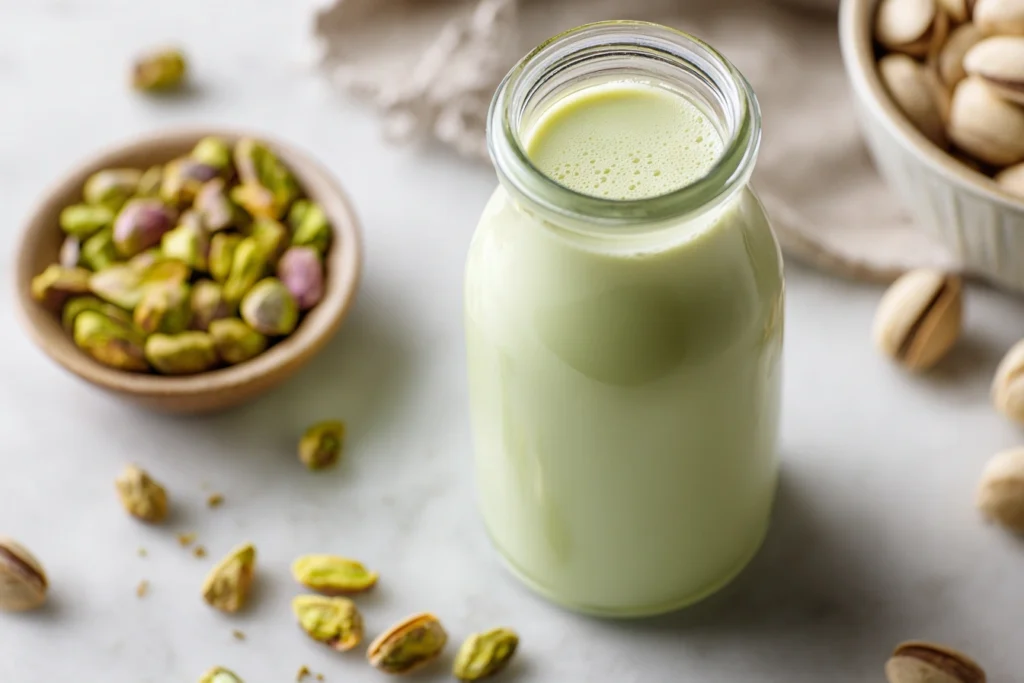
Pistachio Milk: Complete Guide to Its Delicious Taste and Health Benefits

Introduction: My Experience with Homemade Pistachio Milk The first time I made Pistachio Milk, I was honestly surprised by how luxurious it tasted. I had already tried almond milk, cashew milk, and oat milk many times before, but pistachio milk felt different—richer, creamier, and more indulgent. What I loved most was the natural sweetness and the delicate nutty flavor that didn’t need much enhancement. After a few tests in my kitchen, adjusting water ratios and experimenting with soaking times, I realized how simple yet special this recipe truly is. Making pistachio milk at home quickly became one of my favorite plant-based recipes, not only for its taste but also for its beautiful green hue and versatility in both sweet and savory dishes. What Is Pistachio Milk? Pistachios Milk is a plant-based, dairy-free beverage made by blending pistachios with water and then straining the mixture to obtain a smooth, creamy liquid. Unlike many commercial plant milks, homemade pistachio milk contains no preservatives, stabilizers, or artificial flavors. It is naturally rich, slightly sweet, and has a distinctive pistachio aroma that makes it stand out from other nut milks. This milk is ideal for people who avoid dairy, follow a vegan lifestyle, or simply enjoy experimenting with new homemade alternatives. Pistachio milk can be enjoyed on its own, added to coffee or tea, used in smoothies, or incorporated into desserts. Why Make Pistachios Milk at Home? Making Pistachios Milk at home gives you complete control over the ingredients and flavor. You can decide how thick or light you want it, whether you prefer it sweetened or unsweetened, and which flavors to add. Homemade pistachio milk is: It also feels more satisfying to prepare a fresh milk using whole ingredients, especially when the result tastes so luxurious. Ingredients You’ll Need To make classic homemade pistachios milk, you only need a few simple ingredients: Optional additions: Using raw pistachios is important for achieving the best color and flavor. How to Make Pistachios Milk Step by Step Step 1: Soak the Pistachios Place the pistachios in a bowl and cover them with water. Let them soak for at least 6 hours or overnight. Soaking softens the nuts and helps create a smoother pistachios milk. Step 2: Rinse and Prepare Drain the soaking water and rinse the pistachios well. This step improves taste and removes excess starch. Step 3: Blend Add the soaked pistachios and fresh water to a high-speed blender. Blend for 1–2 minutes until the mixture is completely smooth and creamy. Step 4: Strain Pour the mixture through a nut milk bag or fine cheesecloth into a bowl. Gently squeeze to extract all the liquid. The result is fresh pistachios milk with a silky texture. Step 5: Store Transfer the pistachios milk to a glass bottle or jar and store it in the refrigerator for up to 4–5 days. Shake well before each use. Texture, Color, and Taste Pistachios Milk has a naturally creamy texture that feels richer than almond milk and lighter than cashew milk. Its pale green color gives it a visually appealing, premium look. The flavor is mild, nutty, and slightly sweet, making it pleasant even without added sweeteners. Ways to Use Pistachio Milk Pistachios milk is extremely versatile. You can use it in: Its unique flavor adds a subtle gourmet touch to everyday recipes. Try our recipes , Pistachio Sauce and Wafer Cookies Nutritional Highlights Pistachios are naturally rich in healthy fats, plant-based protein, and antioxidants. When turned into Pistachios Milk, many of these nutrients are retained, making it a nourishing alternative to dairy milk. Pistachio milk is: Frequently Asked Questions About Pistachios Milk Final Thoughts Pistachios Milk is a luxurious yet simple plant-based milk that anyone can make at home. With its creamy texture, elegant flavor, and natural ingredients, it offers a refreshing alternative to more common nut milks. Whether you enjoy it plain, sweetened, or flavored, pistachios milk brings a unique and satisfying twist to homemade dairy-free drinks. Once you try it, it’s easy to understand why it quickly becomes a favorite. This recipe is based from alphafoodie

Pistachio Milk: Complete Guide to Its Delicious Taste and Health Benefits Read More »

Natural Mounjaro Recipe

Natural Mounjaro Recipe: A Simple Wellness Drink That Became Part of My Daily Routine

When I first heard about the natural mounjaro recipe, I was honestly skeptical. Like many people, I had seen the name circulating online and wondered whether it was just another trend or something genuinely helpful. Out of curiosity, I decided to try it myself—not as a miracle solution, but as a natural drink to support digestion and healthier habits. After a few days of incorporating this drink into my morning routine, I noticed something interesting. I felt lighter, less bloated, and more mindful of my appetite throughout the day. It didn’t suppress hunger in an extreme way, but it helped me reconnect with my body’s natural hunger cues. That experience is what motivated me to understand the ingredients, the preparation, and the realistic benefits behind the natural mounjaro recipe. This article explains exactly what this drink is, how to prepare it, why people use it, and what you should realistically expect from it—without hype, exaggeration, or medical claims. What Is the Natural Mounjaro Recipe? The natural mounjaro recipe is a homemade wellness drink made from a small number of natural ingredients commonly used in traditional health practices. Despite the name, it has no connection to prescription medications and contains no pharmaceutical compounds. The recipe is popular because it combines ingredients known to support: Many people use the natural mounjaro recipe as part of a broader lifestyle approach rather than as a standalone solution for weight loss. Core Ingredients and Their Purpose Each ingredient in the natural mounjaro recipe has a clear role: Apple Cider Vinegar Apple cider vinegar contains acetic acid, which may help slow gastric emptying and promote a feeling of fullness. This is one reason it is often consumed before meals. Fresh Lemon Juice Lemon juice adds vitamin C and improves taste while supporting hydration and digestive comfort. It also balances the sharp acidity of vinegar. Fresh Ginger Ginger supports digestion, reduces stomach discomfort, and adds a warming effect that many people find soothing in the morning. Warm Water Warm water helps dilute the acidity and allows the ingredients to blend gently, making the drink easier on the stomach. Optional Honey Honey can be added in small amounts to soften the taste, especially for beginners. Together, these ingredients form the base of the natural mounjaro recipe used by many people worldwide. How to Make the Natural Mounjaro Recipe Ingredients Instructions This natural mounjaro recipe takes less than five minutes to prepare and uses ingredients found in most kitchens. Try Our Homemade Recipes Pistachio Sauce and Homemade Wafer Cookies When and How to Drink It Most people drink the natural mounjaro recipe: Or 15–30 minutes before mealsIn the morning on an empty stomach From my experience, drinking it slowly rather than quickly makes a noticeable difference in comfort and digestion. Consistency matters more than timing, and one serving per day is usually sufficient. What the Natural Mounjaro Recipe Can and Cannot Do What It May Support What It Does Not Do The natural mounjaro recipe works best when combined with balanced meals, movement, and adequate sleep. Common Variations of the Recipe Some people adapt the natural mounjaro recipe to suit their preferences: These variations change the taste but keep the core concept intact. Consistency and Lifestyle Habits One important lesson I learned while using this routine is that consistency matters far more than perfection. The natural mounjaro recipe works best when it becomes part of a broader lifestyle rather than a short-term experiment. Drinking it regularly encouraged me to hydrate better, slow down my mornings, and make more conscious food choices throughout the day. Instead of focusing only on results, I noticed that the ritual itself—preparing the drink, sipping it slowly, and starting the day mindfully—played a key role in its perceived benefits. When combined with balanced meals, light physical activity, and adequate sleep, this simple habit fits naturally into a sustainable wellness routine. Frequently Asked Questions Final Thoughts The natural mounjaro recipe is not about shortcuts or quick fixes. From my personal experience, its real value lies in simplicity. It encourages better hydration, slows down eating habits, and supports digestive comfort—small changes that can lead to meaningful long-term results. This recipe is based from sofierecipes

Natural Mounjaro Recipe: A Simple Wellness Drink That Became Part of My Daily Routine Read More »