Few dishes embody comfort, tradition, and nourishment quite like cazuela. This classic Chilean stew is a humble yet deeply satisfying meal built on simple ingredients, slow simmering, and generations of culinary wisdom. Served in homes across Chile and throughout Latin America, cazuela is not just food—it is a reflection of family, seasonality, and cultural identity.
At its core, cazuela is a one-pot dish made with meat, vegetables, and a fragrant broth. Every bowl tells a story of local produce, rural cooking traditions, and the belief that the best meals come from patience rather than complexity. Whether prepared with chicken or beef, cazuela remains a timeless recipe that continues to bring people together around the table.
The Meaning and Origins of Cazuela
The word cazuela originally refers to the clay pot traditionally used to cook and serve this dish. Over time, the name became synonymous with the stew itself. Long before modern cookware, these earthenware vessels allowed ingredients to simmer gently, developing deep flavor while preserving nutrients.
Cazuela has roots in indigenous South American cooking, particularly among the Mapuche people, who prepared brothy meals using local vegetables such as potatoes, squash, and corn. With the arrival of Spanish settlers, meat and new cooking techniques were introduced, shaping the cazuela we recognize today.
This fusion of indigenous and colonial influences created a dish that is both rustic and refined. Cazuela evolved into a staple of everyday cooking, especially valued for its ability to stretch ingredients while delivering warmth and nourishment.
Why Cazuela Is a Household Essential
In Chilean culture, cazuella represents more than sustenance. It is often associated with family lunches, cooler weather, and moments of rest. Many households prepare cazuela at least once a week, adjusting ingredients based on what is fresh and available.
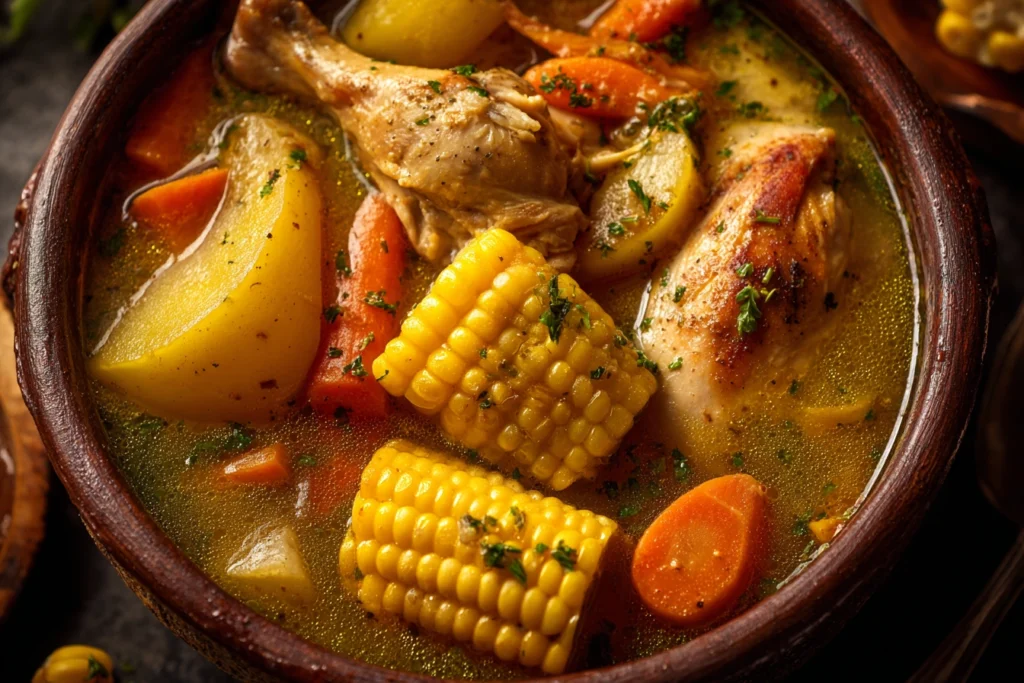
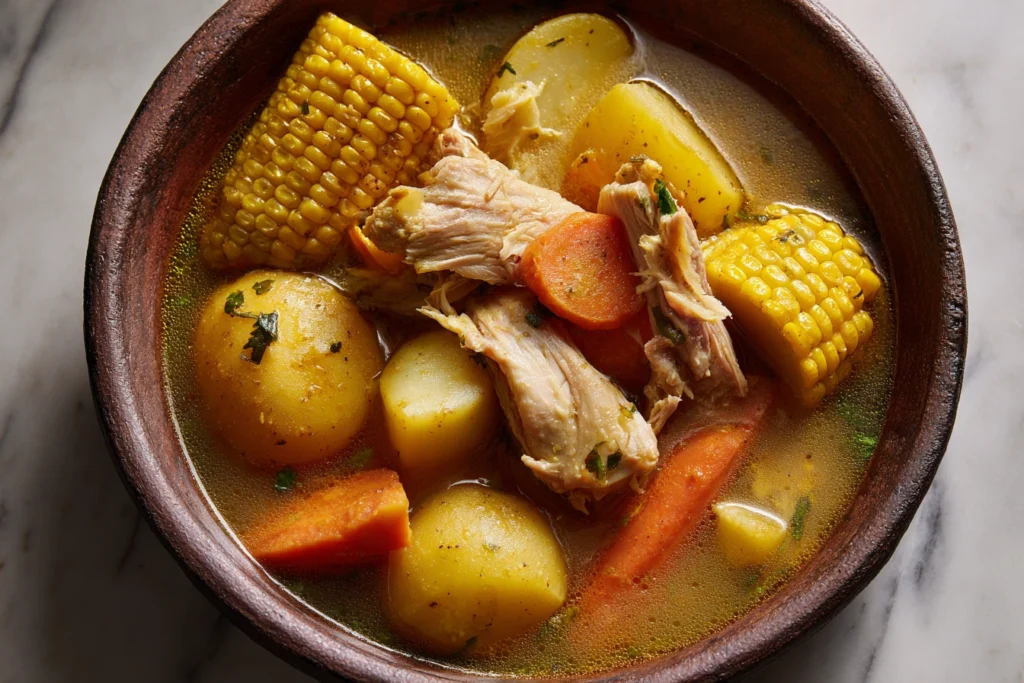
What makes cazuela especially beloved is its versatility. It can be light or hearty, simple or elaborate, yet it always maintains its comforting essence. Each serving typically includes a piece of meat, a potato, a chunk of squash, corn on the cob, and a generous ladle of broth—making it both filling and balanced.
Cazuela is also known for its ability to nourish the body. Rich in vegetables, protein, and minerals from the broth, it is often described as restorative food—ideal for cold days or when energy is low.
Essential Ingredients for Traditional Cazuela
Although every family has its own variation, classic cazuela relies on a core group of ingredients that work in harmony.
Protein
Cazuela is most commonly made with:
- Chicken, especially bone-in pieces like drumsticks or thighs
- Beef, typically brisket or short ribs
Bone-in cuts are preferred because they enrich the broth with flavor and body.
Vegetables
Vegetables are the heart of cazuella and give it its signature look:
- Potatoes, peeled and left whole or halved
- Pumpkin or squash, cut into large chunks
- Carrots, peeled and cut into thick pieces
- Corn on the cob, sliced into sections
- Green beans or peas, added near the end
Starch
Many versions of cazuella include:
- Rice, which thickens the broth and makes the dish more filling
Aromatics and Seasoning
Flavor is built gently using:
- Onion
- Garlic
- Bay leaf
- Oregano
- Salt and black pepper
Fresh parsley or cilantro is often used as a garnish before serving.
Broth
Water or homemade stock forms the base. As the meat and vegetables simmer together, the broth becomes naturally rich without the need for heavy seasoning.
Classic Chilean Cazuela Recipe
This recipe reflects a traditional approach to cazuella, balancing authenticity with practicality for home kitchens.
Preparation Time
30 minutes
Cooking Time
90 minutes
Servings
6 generous portions
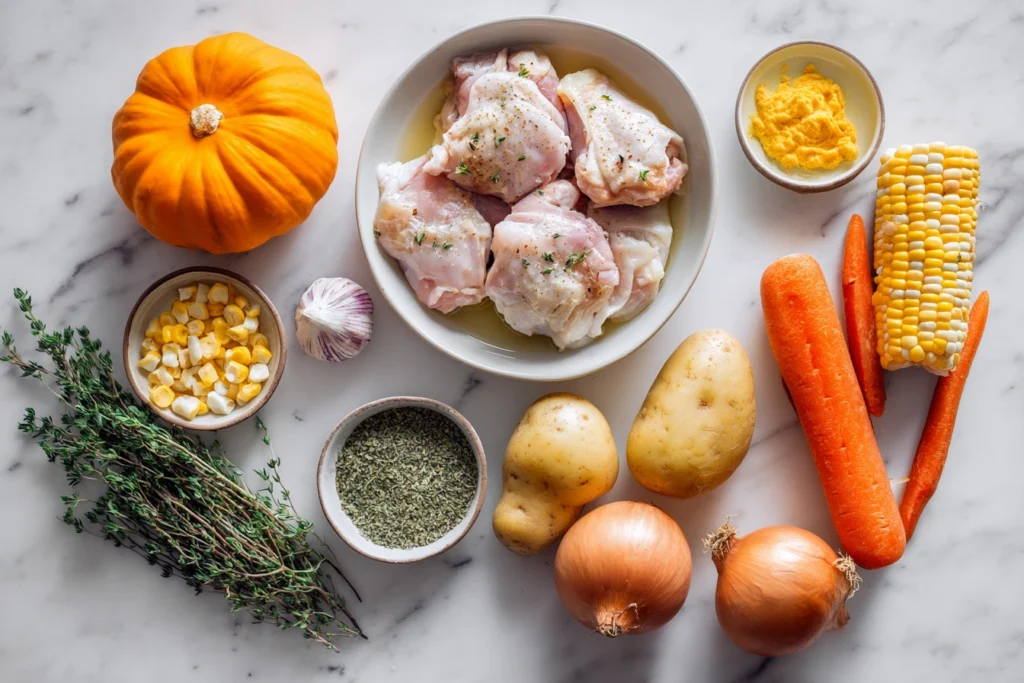
Ingredients
- 6 bone-in chicken pieces or 2 pounds beef, cut into large chunks
- 10 cups water or light broth
- 1 large onion, quartered
- 3 cloves garlic, minced
- 6 small potatoes, peeled
- 3 carrots, peeled and cut into thick pieces
- 4 large chunks pumpkin or squash
- 2 ears of corn, cut into thirds
- ½ cup rice
- 1 bay leaf
- 1 teaspoon dried oregano
- Salt and black pepper to taste
- Fresh parsley or cilantro for garnish
Step-by-Step Instructions
1. Brown the Meat
Heat a large pot over medium heat with a small amount of oil. Season the meat lightly with salt and pepper. Brown the pieces on all sides to develop flavor, working in batches if necessary.
2. Create the Broth
Add the onion, garlic, bay leaf, and oregano to the pot. Pour in the water or broth and bring to a gentle boil. Reduce heat and simmer uncovered for 30 minutes, skimming any foam from the surface.
3. Add Root Vegetables
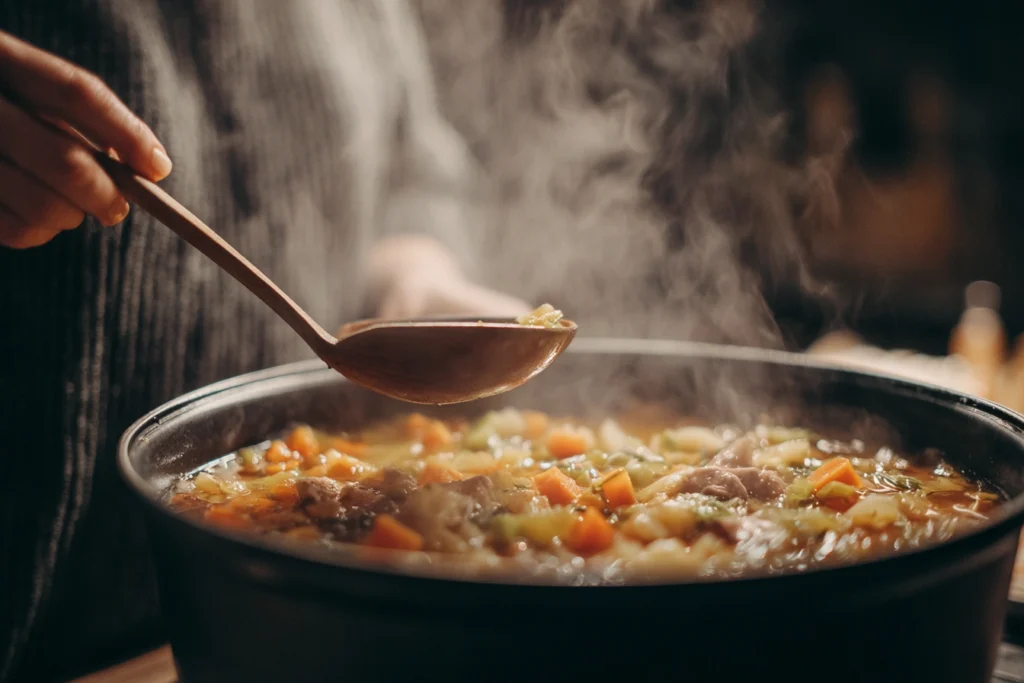
Carefully add the potatoes, carrots, and pumpkin to the pot. Continue simmering for another 25 minutes until the vegetables begin to soften.
4. Add Rice and Corn
Stir in the rice and corn pieces. Simmer for 15 minutes, allowing the rice to cook fully and the broth to thicken slightly.
5. Final Seasoning
Taste the cazuela and adjust seasoning with salt and pepper. Remove the bay leaf.
6. Serve
Serve cazuella hot in deep bowls. Each portion should include meat, vegetables, corn, and plenty of broth. Garnish with fresh herbs just before serving.
Cazuela Variations You Can Try
One of the joys of cazuella is its adaptability.
Chicken Cazuella
Lighter and faster to cook, chicken cazuela is ideal for weeknight meals while still delivering comfort.
Beef Cazuela
Richer and deeper in flavor, beef cazuela benefits from longer simmering and is perfect for colder days.
Seasonal Vegetable Cazuela
Some cooks add zucchini, peas, or sweet potato depending on the season, maintaining the structure of cazuella while enhancing freshness.
No-Rice Cazuella
In some households, rice is omitted to keep the broth clearer and lighter.
Tips for the Best Cazuella
- Use bone-in meat for maximum flavor
- Cut vegetables into large pieces to prevent overcooking
- Simmer gently—boiling too hard can cloud the broth
- Let cazuela rest for 10 minutes before serving for better flavor balance
- Always serve hot for the full comforting experience
How Cazuela Is Traditionally Served
Cazuella is typically served as a complete meal. Some people enjoy it with crusty bread on the side to soak up the broth. Others add a spoon of fresh salsa or a squeeze of lemon for brightness.
Leftover cazuela tastes even better the next day, as the flavors continue to develop. It can be reheated gently on the stove without losing its character.
Why Cazuela Remains Timeless
In a world of fast food and complicated recipes, cazuella stands out for its simplicity and heart. It proves that good cooking does not require luxury ingredients—only care, patience, and respect for tradition.
Cazuella continues to thrive because it adapts without losing its soul. It remains deeply rooted in culture while fitting effortlessly into modern kitchens. Every pot of cazuella carries warmth, nourishment, and a sense of home.
Frequently Asked Questions
What is a cazuela?
Cazuela is a traditional Latin American stew, most commonly associated with Chile, made by simmering meat, vegetables, and starches in a flavorful broth. It is known for being hearty, comforting, and served as a complete one-pot meal.
What is cazuela made of?
Cazuela is typically made with chicken or beef, potatoes, pumpkin or squash, corn on the cob, carrots, and sometimes rice. These ingredients are gently cooked together in water or broth with simple seasonings to create a nourishing soup-style stew.
How do you prepare a bartaco cazuela?
A bartaco-style cazuela is usually a modern, restaurant-inspired version that starts with slow-cooked meat simmered in a rich broth, then finished with vegetables and bold seasonings. It is often served hot in a small bowl and may include contemporary garnishes such as fresh herbs or citrus.
This article draws inspiration from trusted culinary references, including detailed guides from DelishGlobe and Taste of Home.