diamondmeals.com

Dessert

Pistachio Croissant

Pistachio Croissant: The Ultimate Guide to a Luxurious Bakery-Style Pastry at Home

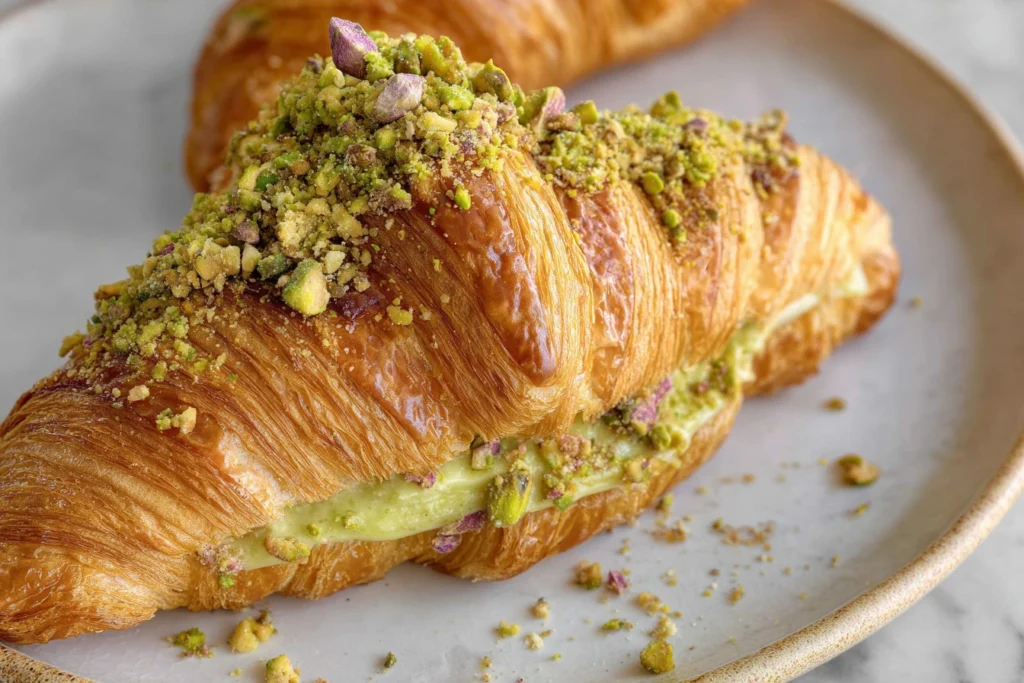
The pistachio croissant is one of those pastries that instantly feels special. Flaky, buttery layers meet a rich, nutty pistachio filling, creating a balance that is indulgent without being overwhelming. Once a quiet favorite in artisan bakeries, the pistachio croissant has now become a global obsession, celebrated for its vibrant color, elegant flavor, and irresistible texture. In this in-depth guide, you’ll discover everything you need to know about making a perfect pistachio croissant at home—from understanding the pastry itself to preparing a smooth pistachio filling, assembling the croissants, and baking them to golden perfection. Whether you’re an experienced baker or a passionate home cook, this article will help you achieve bakery-quality results. What Makes a Pistachio Croissant So Special? A classic croissant is already a masterpiece of baking. Its crisp exterior and honeycomb interior come from a careful process of laminating dough with butter. A pistachio croissant builds on that foundation by adding a creamy pistachio component that enhances both flavor and appearance. Pistachios bring a subtle sweetness, a slightly earthy aroma, and a natural green hue that makes the pastry visually striking. Unlike overly sweet fillings, pistachio cream complements butter rather than competing with it. This harmony is why the pistachio croissant feels refined and luxurious rather than heavy. Another reason the pistachio croissant stands out is its versatility. It can be served as a breakfast pastry, an afternoon treat, or even a dessert when paired with coffee or tea. Understanding the Structure of a Pistachio Croissant To master the pistachios croissant, it helps to understand its structure. There are three essential elements: When these elements come together, the pistachio croissant becomes far more than the sum of its parts. Ingredients for the Perfect Pistachio Croissant For the Croissants For the Pistachio Cream Filling Optional Syrup (Highly Recommended) For Topping These ingredients are simple, but their quality matters. Using real pistachios rather than artificial flavoring makes a dramatic difference in the final pistachio croissant. How to Make Pistachio Croissant Filling The filling is what defines a pistachio croissant, so it deserves special attention. Step 1: Prepare the Pistachios Lightly toast the pistachios in a dry pan for a few minutes until fragrant. Let them cool completely. This step intensifies their flavor. Step 2: Grind the Pistachios Place the pistachios in a food processor and pulse until very finely ground. Be careful not to overprocess, or they may turn oily. Step 3: Make the Cream Add the sugar and butter to the ground pistachios and blend until smooth. Add the egg, vanilla, salt, and milk, then blend again until creamy and spreadable. The result should be a rich, smooth pistachio cream that holds its shape but spreads easily. This filling is the soul of a great pistachio croissant. Preparing the Croissants Step 1: Make the Syrup Combine sugar and water in a small saucepan. Heat gently until the sugar dissolves, then let it cool. This syrup keeps the pistachio croissant moist and enhances flavor. Step 2: Slice the Croissants Cut each croissant horizontally, like a sandwich, without cutting all the way through. Step 3: Brush with Syrup Lightly brush the inside of each croissant with the syrup. This step is subtle but makes a big difference in texture. Assembling the Pistachios Croissant Now comes the most satisfying part. At this stage, your pistachios croissant already looks like something from a high-end bakery. For a deeper pistachio flavor, you can enhance the filling with a drizzle of our homemade pistachio syrup, which adds subtle sweetness and aroma. Baking Instructions Let them cool for a few minutes, then dust lightly with powdered sugar if desired. If you prefer a more intense, authentic taste, this recipe pairs beautifully with our smooth pistachio paste, made from finely ground premium pistachios. Tips for Bakery-Style Pistachios Croissants These small details separate a good pistachios croissant from a truly exceptional one. For a lighter, creamier variation, some bakers like to incorporate pistachio milk into the filling for a delicate and balanced finish. Creative Pistachio Croissant Variations Once you’ve mastered the classic pistachio croissant, try these variations: Each variation keeps the pistachio croissant at the center while offering a new flavor experience. How to Serve and Store Pistachio Croissants Serving Serve a pistachio croissant with coffee, cappuccino, or green tea. It works beautifully for brunch, dessert, or a refined afternoon snack. Storage Store leftover pistachio croissants in an airtight container at room temperature for up to 2 days. Reheat briefly in the oven to restore crispness. Freezing You can freeze unbaked assembled pistachios croissants. Bake directly from frozen, adding a few extra minutes to the baking time. Why the Pistachio Croissant Is Worth Making at Home Making a pistachios croissant at home may feel intimidating, but the payoff is enormous. You control the quality of ingredients, the intensity of pistachio flavor, and the level of sweetness. Homemade versions often taste richer and fresher than bakery ones. Beyond taste, the pistachios croissant is a visual showstopper. Its green filling, golden crust, and delicate layers make it perfect for special occasions or simply treating yourself to something extraordinary. Final Thoughts The pistachios croissant is more than just a trend—it’s a timeless pastry that combines classic French technique with the distinctive elegance of pistachios. With flaky layers, creamy filling, and a perfectly balanced flavor, it’s easy to see why this pastry has captured the hearts of bakers and food lovers alike. This article draws inspiration from carefully selected expert resources, including detailed insights found here.

Pistachio Croissant: The Ultimate Guide to a Luxurious Bakery-Style Pastry at Home Read More »
Pistachio Muffins

Bakery-Style Pistachio Muffins: A Complete and Reliable Recipe Guide

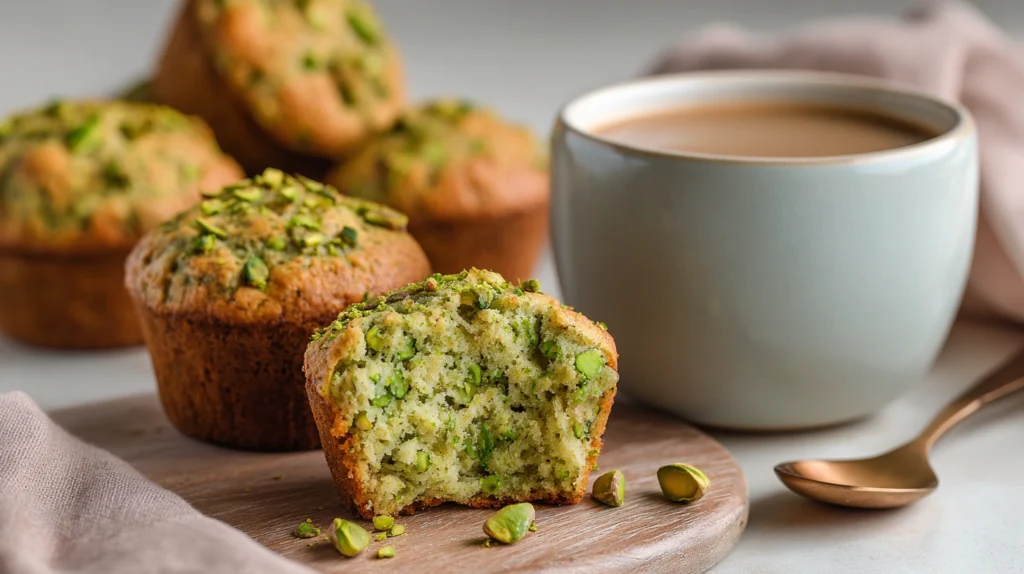
Baking at home becomes truly rewarding when the results rival those of a professional bakery. Few baked goods achieve this balance as effortlessly as pistachio muffins. With their soft interior, delicate nutty flavor, and visually appealing green tones, they feel elegant yet comforting at the same time. These muffins are perfect for breakfast, brunch, or a refined afternoon snack. This detailed guide will help you master bakery-style muffins using reliable techniques, balanced ingredients, and simple steps. The result is consistently moist, flavorful, and beautifully domed pistachio muffins that look as good as they taste. Why These Muffins Deserve a Place in Your Kitchen Pistachios bring a unique flavor that is subtly sweet, buttery, and slightly earthy. When baked into muffins, this flavor becomes gentle and well-rounded, making them appealing to a wide range of tastes. Unlike overly sweet pastries, pistachio muffins feel refined and balanced. Another reason they are so popular is their versatility. They can be kept simple for everyday enjoyment or enhanced with toppings, citrus notes, or glazes for special occasions. Their texture remains soft and tender, even a day or two after baking, making them an excellent make-ahead option. Ingredients That Make the Difference Each ingredient in this recipe plays a specific role in achieving the perfect texture and flavor. Dry Ingredients Wet Ingredients Optional Add-Ins These carefully selected ingredients work together to produce consistent, bakery-quality pistachio muffins. Step-by-Step Instructions 1. Preheat and Prepare Preheat your oven to 425°F (220°C). Line a standard muffin pan with paper liners or grease thoroughly. The high initial temperature is essential for achieving tall muffin tops. 2. Mix the Dry Ingredients In a large bowl, whisk together the flour, pistachio pudding mix, baking powder, salt, and sugar until evenly combined. 3. Combine the Wet Ingredients In another bowl, whisk the eggs, oil, melted butter, milk, sour cream, vanilla extract, and almond extract until smooth. 4. Combine Wet and Dry Add the dry mixture to the wet ingredients. Gently fold with a spatula until just combined. Avoid over-mixing, as this can lead to dense muffins. 5. Rest the Batter Allow the batter to rest for about 10 minutes. This step improves texture and promotes better rise during baking. 6. Fill the Muffin Cups Fill each cup almost to the top. Sprinkle chopped pistachios and coarse sugar over the batter for added crunch and visual appeal. 7. Bake Bake at 425°F (220°C) for 5 minutes, then reduce the temperature to 375°F (190°C) without opening the oven. Continue baking for 13–15 minutes until a toothpick comes out with a few moist crumbs. 8. Cool Let the muffins cool in the pan for 5 minutes before transferring them to a wire rack. At this stage, your pistachio muffins should be domed, golden, and fragrant. For a deeper pistachio flavor, you can also explore our homemade pistachio syrup, perfect for adding a subtle nutty sweetness to baked goods and drinks. Professional Baking Tips These small details make a noticeable difference in the final pistachio muffins. Flavor Variations Lemon Pistachio Add lemon zest to the batter for a fresh, bright contrast. Chocolate Pistachio Fold in white or dark chocolate chips for a richer version. Glazed Version Top cooled muffins with a light vanilla glaze for extra elegance. Jumbo Size Use a jumbo muffin pan and adjust baking time for oversized pistachio muffins. If you enjoy working with rich, concentrated flavors, our pistachio paste is an excellent option for enhancing both desserts and pastries. Storage and Freezing Store muffins in an airtight container at room temperature for up to three days. For longer storage, refrigerate for up to five days. To freeze, wrap each muffin individually and store in a freezer-safe container for up to two months. Thaw at room temperature or warm gently before serving. Proper storage preserves the moisture and flavor of pistachio muffins. For a lighter and dairy-free alternative, our pistachio milk offers a smooth, aromatic way to extend pistachio flavor beyond baking. Common Mistakes to Avoid Avoiding these mistakes ensures consistently soft pistachio muffins. Why This Recipe Works Every Time The combination of oil, butter, and pudding mix guarantees moisture. The balance of extracts enhances flavor without overpowering it. Proper temperature control creates bakery-style structure and appearance. This approach results in pistachio muffins that are tender, flavorful, and visually appealing every single time. Final Thoughts Baking pistachio muffins at home is simple when the right techniques are used. With carefully chosen ingredients, controlled mixing, and proper baking temperatures, you can achieve professional results in your own kitchen. These pistachio muffins are elegant enough for guests yet comforting enough for everyday enjoyment. Once you try them, they are likely to become a regular favorite in your baking routine. To ensure accuracy and depth, we consulted trusted external references that helped shape and inform this content

Bakery-Style Pistachio Muffins: A Complete and Reliable Recipe Guide Read More »

Pistachio Paste

Pistachio Paste: How to Make a Smooth, Flavorful Homemade Version

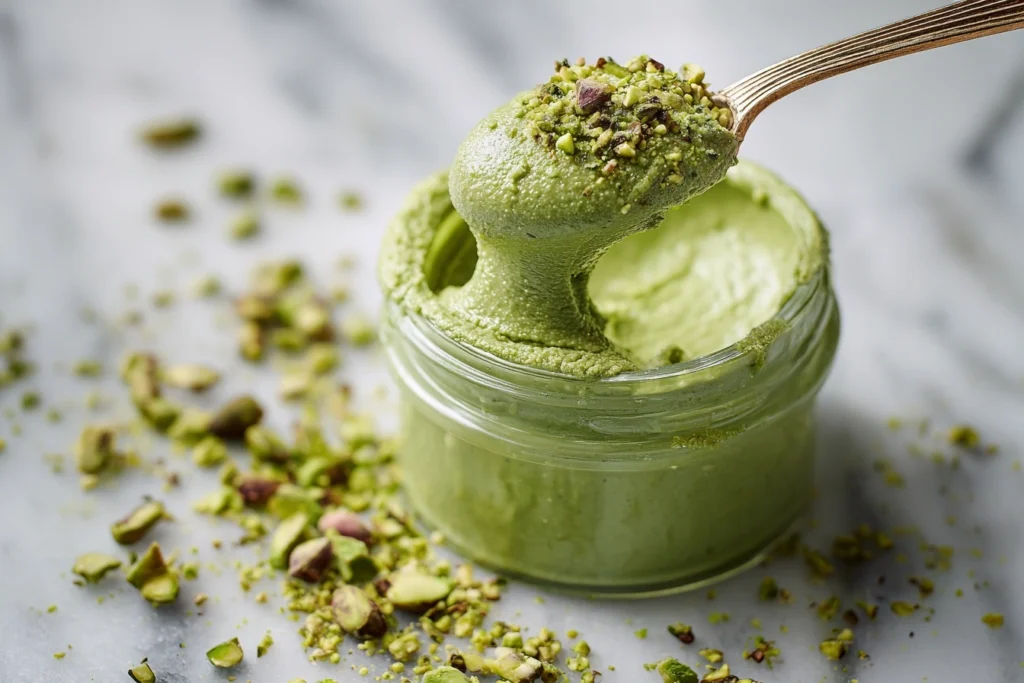
Pistachio paste is one of those ingredients that instantly elevates a recipe. Rich, nutty, naturally aromatic, and beautifully green, it adds depth to both sweet and savory creations. While it’s often associated with professional pastry kitchens, pistachios paste is surprisingly easy to make at home with just a few simple steps and high-quality pistachios. After making this recipe multiple times myself, I can confidently say that homemade pistachios paste tastes fresher, looks more vibrant, and gives you full control over texture and flavor. My Experience Making Pistachio Paste at Home The first time I made pistachios paste, I was looking for a pure, natural alternative to store-bought pistachio spreads. Many commercial versions contain added sugar, oils, or artificial coloring, which dulls the authentic pistachio flavor. When I tried making pistachio paste at home, I was surprised by how intense and clean the taste was. The aroma while blending was incredible, and the texture became smoother with patience. Since then, I’ve used this pistachios paste in desserts, creams, and even as a spread, and it has become a staple in my kitchen. Ingredients for Homemade Pistachios Paste One of the best things about pistachio paste is how simple the ingredient list is. You will need: Optional additions: That’s it. The quality of your pistachio Choosing the Best Pistachios For the best pistachio paste, use raw pistachios that are fresh and bright green. Avoid heavily roasted or salted pistachios, as they can darken the color and alter the flavor. If your pistachios still have skins, removing them will significantly improve both the color and smoothness of the final paste. Blanching the pistachios briefly and rubbing off the skins is worth the extra step if you want a professional-looking pistachio paste. How to Make Pistachios Paste Step by Step 1. Prepare the Pistachios If your pistachios have skins, blanch them briefly in hot water, drain, and rub them with a clean towel to loosen the skins. Allow them to dry completely before blending. Any moisture can interfere with the texture of the pistachios paste. 2. Blend the Pistachios Place the pistachios in a food processor. Start blending on medium to high speed. The pistachios will go through several stages: This process takes time. Stop occasionally to scrape down the sides of the bowl so everything blends evenly. 3. Be Patient with the Texture At first, the pistachio paste may seem too dry or crumbly. Continue blending. As the natural oils release, the mixture will gradually become smoother and creamier. If after several minutes the pistachio paste still feels too thick, add a very small amount of neutral oil, one teaspoon at a time. This helps the paste emulsify without diluting the flavor. 4. Adjust and Finish Once smooth, taste your pistachio paste. Add a pinch of salt if desired. Blend again briefly until fully incorporated. The final pistachio paste should be smooth, spreadable, and intensely aromatic. Common Mistakes to Avoid You Can Try Also Our Recipe Pistachio Sauce and Wafer Cookies How to Use Pistachios Paste Pistachios paste is incredibly versatile and can be used in many ways. In Desserts Pistachios paste is ideal for cakes, macarons, tarts, and pastries. It blends beautifully into pastry creams, mousses, and fillings, providing deep pistachio flavor without artificial additives. In Ice Cream and Gelato Homemade pistachios paste is perfect for frozen desserts. It gives ice cream a natural green color and a rich, authentic taste. In Frostings and Creams Mix pistachios paste into buttercream, whipped cream, or cream cheese frosting for an elegant, nutty twist. As a Spread Spread pistachios paste on toast, pancakes, or waffles. You can lightly sweeten it with honey if desired. In Savory Dishes Pistachios paste can also be used in sauces, pestos, or paired with yogurt for dips. Its earthy flavor works surprisingly well in savory recipes. How to Store Pistachio Paste Transfer your pistachios paste to an airtight container. Store it in the refrigerator for up to two weeks. For longer storage, freeze it in small portions. Pistachios paste freezes very well and can be thawed as needed. Natural oil separation may occur over time. Simply stir or re-blend before using. Why Homemade Pistachio Paste Is Worth It Making pistachios paste at home allows you to control every aspect of the recipe — flavor, texture, and purity. Compared to commercial versions, homemade pistachio paste is fresher, more aromatic, and free from unnecessary additives. From my own experience, once you try homemade pistachios paste, it’s hard to go back to store-bought options. The difference in taste and quality is immediately noticeable. Frequently Asked Questions Final Thoughts Pistachios paste is a simple yet powerful ingredient that can transform both everyday recipes and special desserts. With just pistachios, patience, and a good food processor, you can create a smooth, vibrant pistachio paste that rivals professional pastry products. Whether you use it in baking, frozen desserts, or as a spread, homemade pistachios paste is a recipe worth mastering. Once you make it, you’ll find endless ways to enjoy its rich flavor and natural elegance. This Recipe is based from this article in the link

Pistachio Paste: How to Make a Smooth, Flavorful Homemade Version Read More »

Wafer Cookies

Homemade Wafer Cookies: A Classic Vanilla Recipe You’ll Love

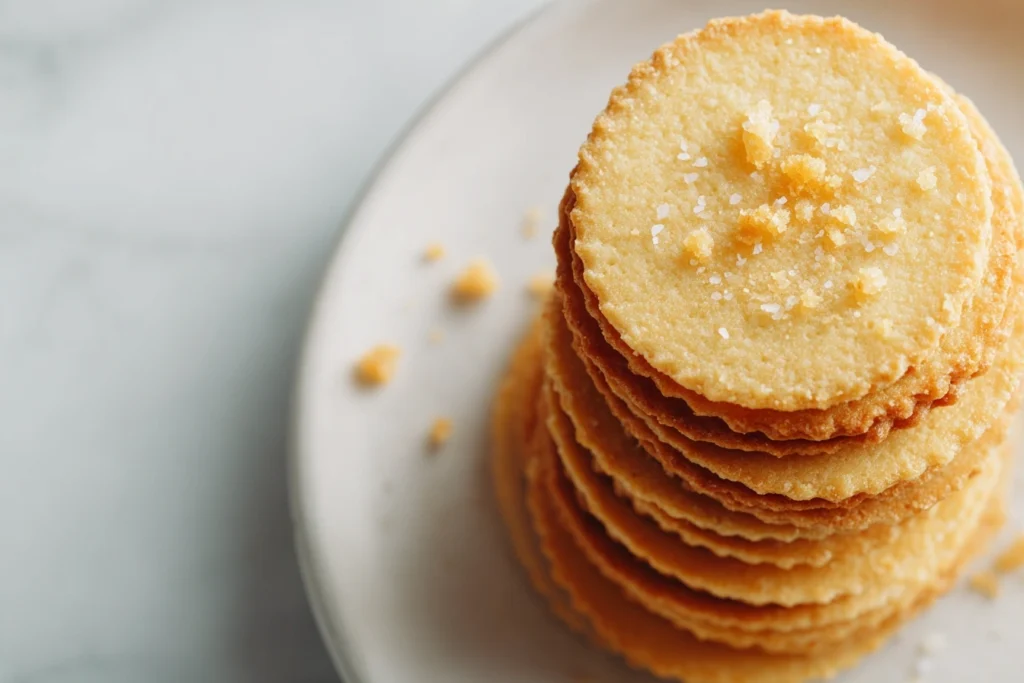
Introduction: My Experience Making Wafer Cookies at Home The first time I made homemade wafer cookies, I honestly didn’t expect such a big difference compared to store-bought ones. I had always used packaged vanilla wafers for desserts, especially layered puddings, without thinking twice. But once I tried baking them from scratch, I realized how much flavor and texture I had been missing. These wafer cookies were lighter, crisper, and had a real vanilla aroma that filled my kitchen while baking. What I love most about this recipe is how simple yet precise it is. With basic ingredients and a little attention to detail, you can create wafer cookies that taste nostalgic but feel homemade and special. Over time, this recipe became my go-to whenever I needed a reliable cookie for snacking, dessert bases, or elegant presentations. What Are Wafer Cookies? Wafer cookies are thin, crisp vanilla-flavored cookies with a light texture and delicate sweetness. They are known for their melt-in-the-mouth quality and subtle crunch. Traditionally, wafer cookies are small and round, making them perfect for layering in desserts or enjoying on their own. Unlike thick cookies, wafer cookie rely on a soft batter rather than a firm dough. This batter spreads slightly during baking, creating their signature flat shape. When made correctly, they are golden on the edges and crisp all the way through. Ingredients for Homemade Wafer Cookies To achieve perfect wafer cookie, quality ingredients matter. Here’s what you’ll need: These ingredients work together to create the delicate structure and classic flavor that defines wafer cookie. Powdered sugar is especially important because it dissolves easily, helping produce a smooth batter and crisp finish. How to Make Wafer Cookies Step by Step 1. Prepare the Oven and Baking Trays Preheat your oven to 350°F (180°C). Line several baking trays with parchment paper. Since wafer cookie are small and bake in batches, it’s helpful to have multiple trays ready. 2. Cream the Butter and Sugar In a large bowl, beat the softened butter until creamy and smooth. Add the powdered sugar gradually and continue mixing until the texture becomes light and fluffy. This step is essential for airy wafer cookie. 3. Add Eggs and Vanilla Slowly add the egg whites and the whole egg, mixing well after each addition. Stir in the vanilla extract. The batter may look slightly loose at this stage, which is normal for wafer cookie. 4. Incorporate Dry Ingredients Add the flour and salt to the batter. Mix gently until just combined. Overmixing can cause tough cookies, so stop as soon as the batter is smooth. 5. Pipe the Cookies Transfer the batter to a piping bag. Pipe small circles onto the prepared trays, spacing them apart to allow spreading. Uniform size helps wafer cookies bake evenly. 6. Bake Until Golden Bake for 18–20 minutes, rotating trays if necessary. The wafer cookies are done when the edges turn light golden and the centers look set. 7. Cool Completely Allow the cookies to cool fully on the trays. As they cool, they will crisp up and develop their signature texture. Try our recipes like Pistachio Sauce and Cilantro Lime Crema Tips for Perfect Wafer Cookies Small details make a big difference when baking wafer cookie. How to Use Wafer Cookies Wafer cookie are incredibly versatile. You can enjoy them as a simple snack, pair them with coffee or tea, or use them as a base for layered desserts. They work beautifully in banana pudding, ice cream sandwiches, and crumb crusts. Their neutral vanilla flavor complements fruits, creams, and chocolate perfectly. Frequently Asked Questions Storage and Shelf Life Plain wafer cookie can be stored at room temperature in an airtight container for up to one week. For longer storage, you can freeze them in a sealed container. Avoid humidity, as wafer cookie absorb moisture quickly and lose their crispness. Final Thoughts Homemade wafer cookie are a beautiful example of how simple ingredients can create something truly special. Once you try them fresh from your oven, it’s hard to go back to packaged versions. With their crisp texture, classic vanilla flavor, and endless versatility, wafer cookies deserve a place in every baker’s recipe collection. This recipe is based from biggerbolderbaking

Homemade Wafer Cookies: A Classic Vanilla Recipe You’ll Love Read More »