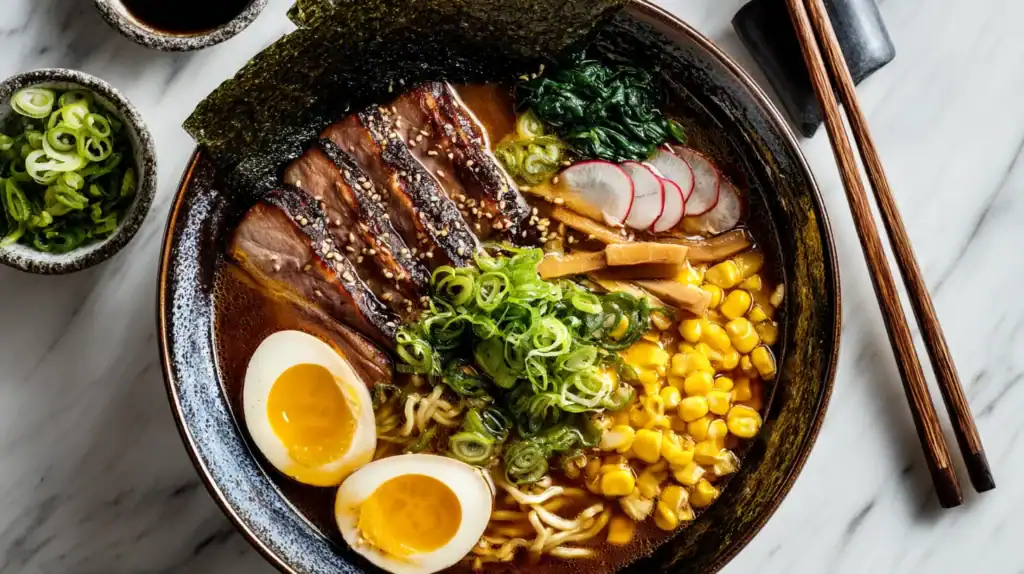
Few dishes represent the comforting side of Japanese cuisine as perfectly as miso ramen. This hearty noodle soup combines springy ramen noodles, a deeply savory broth, and a variety of delicious toppings. Warm, aromatic, and satisfying, this dish has become one of the most beloved styles of ramen both in Japan and around the world.
Unlike lighter ramen soups, miso ramen is known for its rich and robust flavor. The broth is seasoned with fermented soybean paste, which gives the soup its signature umami taste and creamy depth. Because of this unique flavor profile, many ramen enthusiasts consider it one of the most satisfying noodle dishes ever created.
In this guide, you will learn everything about miso ramen, including its origins, ingredients, and a step-by-step recipe that allows you to recreate this comforting bowl at home.
The Origins of Miso Ramen
While ramen itself has a long history in Japan, the miso-based variation is relatively modern. The dish was first developed in Sapporo, the capital of Japan’s northern island of Hokkaido.
Hokkaido is known for its cold winters, which encouraged chefs to create a richer, more filling style of ramen. By adding miso paste to the broth, cooks developed a soup that was thicker and more satisfying than traditional soy-based ramen.
Over time, the popularity of miso ramen spread across Japan. Today it is considered one of the four major ramen styles, alongside soy sauce ramen, salt ramen, and pork bone ramen.
Because of its rich flavor and comforting warmth, it has become a favorite choice for ramen lovers everywhere.
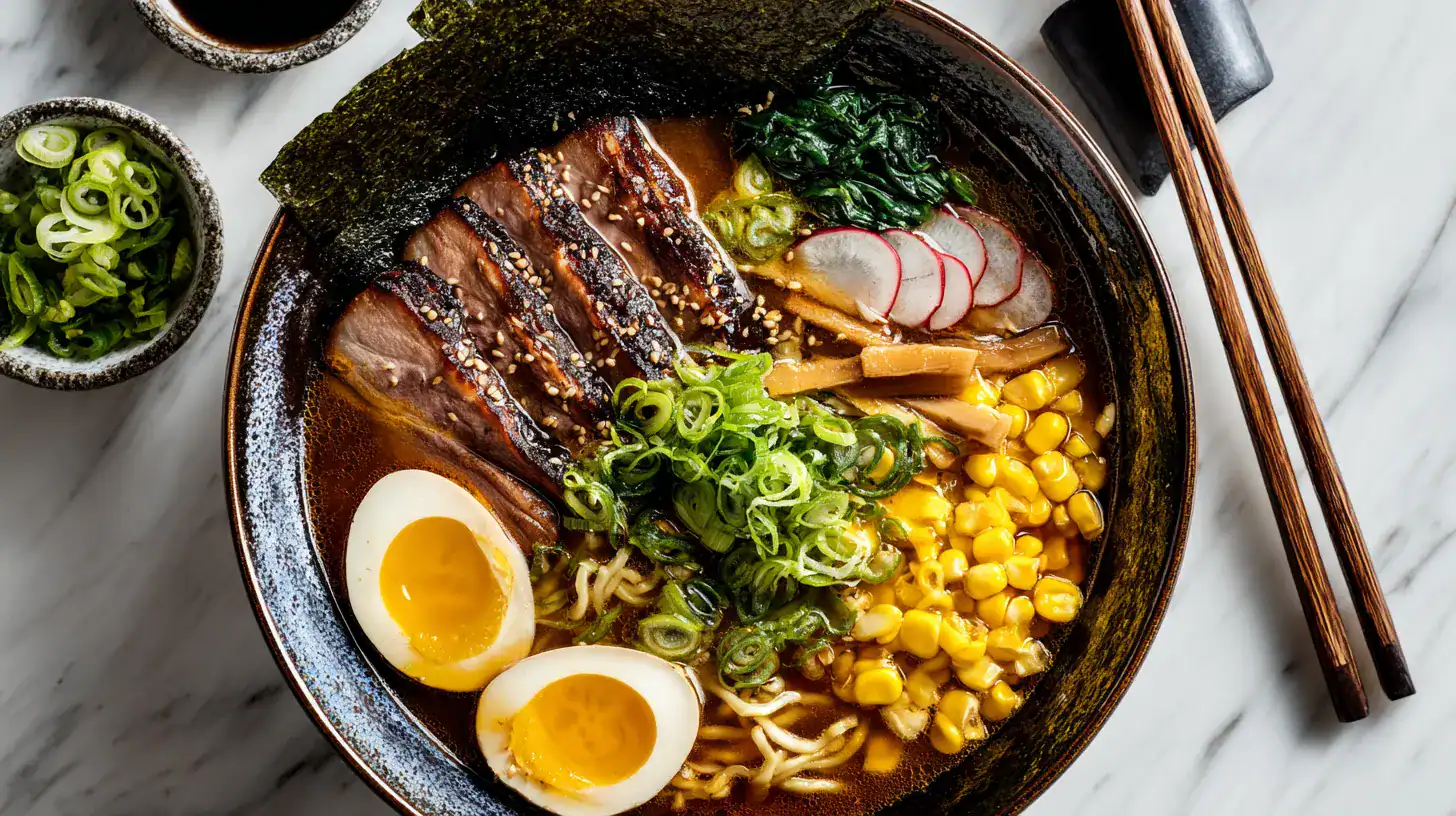
Authentic Miso Ramen Recipe
Ingredients
Equipment
Method
- Heat sesame oil in a pot over medium heat. Add garlic and ginger, and sauté until fragrant (about 1 minute).
- Add ground beef or chicken and cook until browned, breaking it into small pieces.
- Reduce heat and stir in miso paste until fully combined with the meet
- Pour in the broth and add soy sauce. Simmer for 10–15 minutes.
- Cook ramen noodles in a separate pot according to package instructions. Drain well.
- Divide noodles into bowls. Pour hot broth over them.
- Add toppings: pmeet slices, egg halves, corn, bean sprouts, green onions, and nori. Serve immediately.
Notes
- Do not boil miso at high heat to preserve its flavor.
- You can mix white and red miso for a balanced taste.
- Add chili oil if you prefer a spicy version.
Why Miso Ramen Is So Popular
There are several reasons why this dish has gained international popularity.
Rich and Deep Flavor
Miso paste contains natural compounds that enhance savory flavors, creating a broth full of umami.
Hearty and Filling
Compared with lighter ramen soups, the broth is thicker and more robust.
Highly Customizable
The dish can be adapted with different proteins, vegetables, and toppings.
Perfect Comfort Food
A hot bowl of ramen is both nourishing and satisfying, making it ideal for cold weather or cozy meals.
These qualities make miso ramen one of the most appealing noodle soups in Japanese cuisine.
Ingredients for Homemade Miso Ramen
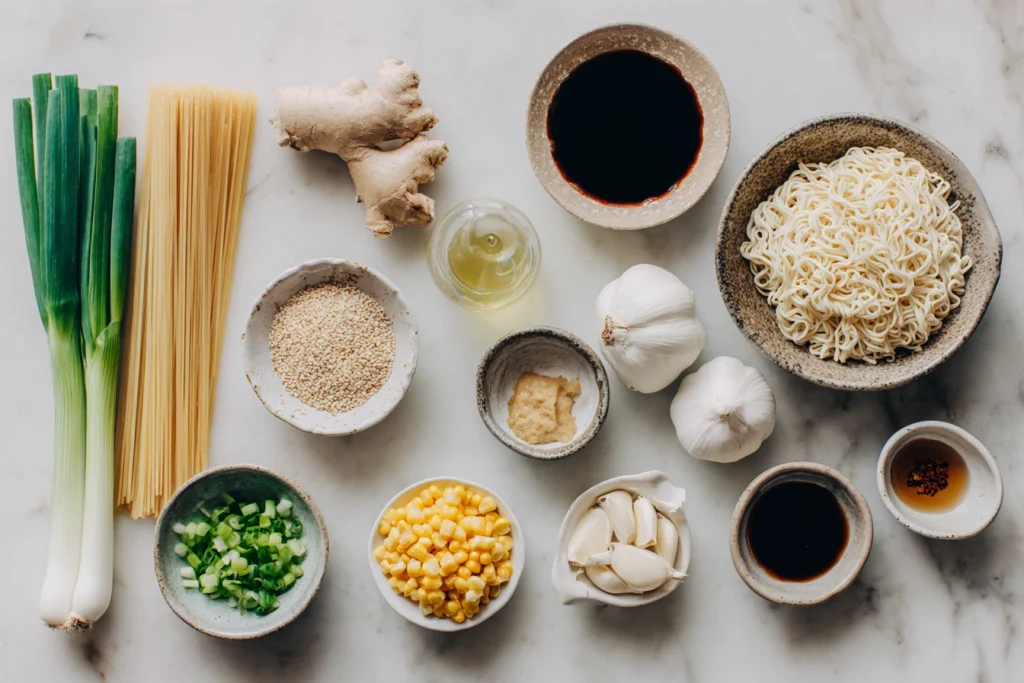
Making this dish at home requires simple ingredients that are easy to find.
Broth Ingredients
- 4 cups chicken or meet stock
- 2–3 tablespoons miso paste
- 1 tablespoon sesame oil
- 2 cloves garlic, minced
- 1 teaspoon grated ginger
- 1 tablespoon soy sauce
- ½ pound ground meet
- 1 teaspoon chili paste (optional)
These ingredients create the flavorful base used in traditional miso ramen.
Noodles
- 2 portions fresh ramen noodles
Fresh noodles give the best texture, but dried ramen noodles also work well.
Traditional Toppings
Common toppings include:
- soft-boiled eggs
- sweet corn
- bean sprouts
- green onions
- seaweed
Each topping adds a new layer of texture and flavor to the bowl.
Step-by-Step Miso Ramen Recipe
This recipe makes two generous servings.
Step 1: Prepare the Aromatics
Heat sesame oil in a medium pot over medium heat.
Add minced garlic and grated ginger. Cook for about one minute until fragrant. These aromatics create the first layer of flavor in the broth.
Step 2: Cook the Meet
Add ground meet to the pot and cook until browned.
Break the meat into small pieces as it cooks. The meet releases flavorful juices that enrich the broth.
If you enjoy spicy food, add chili paste at this stage.
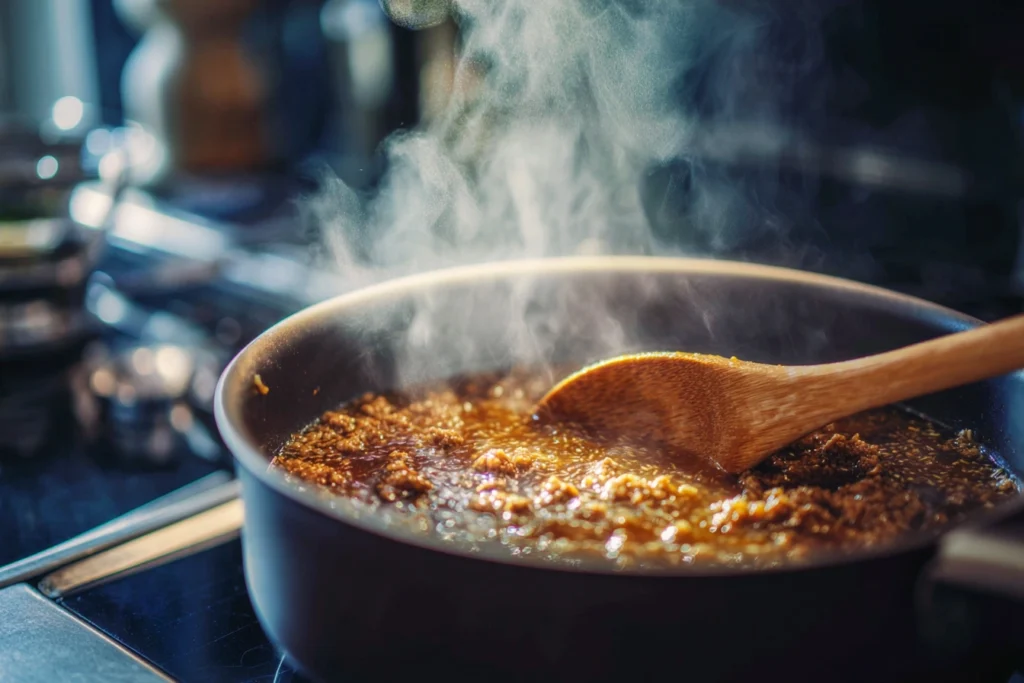
Step 3: Add the Miso Paste
Reduce the heat slightly and stir in the miso paste.
Mix it carefully with the pork mixture until it dissolves evenly. This step is essential for developing the deep flavor that characterizes miso ramen.
Avoid cooking the miso over very high heat to preserve its taste.
Step 4: Add the Broth
Pour the chicken or meetstock into the pot.
Add soy sauce and stir well. Allow the soup to simmer gently for about 10 to 15 minutes so the flavors combine.
The broth should become rich, fragrant, and slightly creamy.
Step 5: Cook the Noodles
Bring a separate pot of water to a boil.
Add the ramen noodles and cook them according to the package instructions. Fresh noodles typically cook very quickly.
Drain them well so they do not dilute the soup.
Step 6: Assemble the Bowl
Divide the noodles into serving bowls.
Pour the hot broth over the noodles, ensuring each bowl receives some of the meet mixture.
Top your bowl with:
- sliced braised meet
- corn
- bean sprouts
- ramen egg halves
- chopped green onions
- seaweed
Serve immediately while the soup is hot.
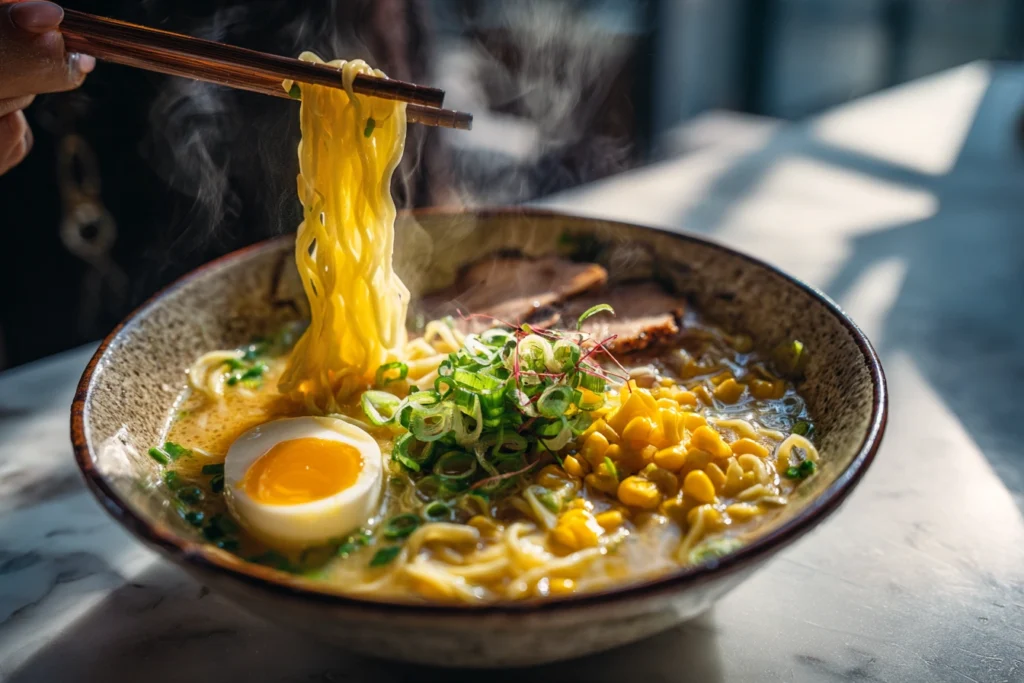
How to Make Ramen Eggs
Soft-boiled eggs are one of the most popular toppings for ramen.
To prepare them:
- Boil eggs for 6 to 7 minutes.
- Transfer them to ice water to stop the cooking.
- Peel the eggs and marinate them in soy sauce and mirin for several hours.
The result is a creamy egg that pairs perfectly with miso ramen.
Popular Toppings for This Dish
One of the best aspects of ramen is the ability to customize toppings.
Popular additions include:
- bamboo shoots
- sautéed cabbage
- mushrooms
- chili oil
- sesame seeds
- butter
In Hokkaido, corn and butter are often added to create a richer version of the soup.
Tips for the Best Homemade Miso Ramen
Choose the Right Miso
Different types of miso create different flavors. White miso is milder and slightly sweet, while red miso has a stronger taste.
Combining the two varieties often creates the most balanced broth.
Use a Flavorful Broth
The broth is the foundation of the dish. A well-prepared stock will greatly improve the final result.
Avoid Overcooking the Noodle
Ramen noodles should remain slightly firm so they maintain their texture in hot soup.
Add Aromatic Oils
A drizzle of sesame oil or chili oil can enhance the aroma and complexity of the broth.
Variations of Miso Ramen
Many creative variations of miso ramen exist today.
Spicy Version
Prepared with chili paste or chili oil for extra heat.
Butter Corn Style
A specialty of northern Japan featuring sweet corn and butter.
Vegetarian Version
Made with vegetable broth and mushrooms instead of meat.
Seafood Version
Includes shrimp or seafood broth for a coastal flavor.
These variations demonstrate the versatility of this classic dish.
Final Thoughts
Miso ramen is a comforting and flavorful dish that perfectly represents the richness of Japanese noodle cuisine. Its savory broth, chewy noodles, and customizable toppings create a satisfying meal that appeals to both beginners and experienced cooks.
Preparing miso ramen at home allows you to experiment with ingredients and adjust flavors according to your taste. With the right broth, quality noodles, and carefully chosen toppings, you can create a bowl that rivals restaurant versions.