
diamondmeals.com

drsoukainaelaziz@gmail.com

Avocado Bread

Avocado Bread: The Ultimate Soft, Healthy, and Easy Homemade Recipe

If you love baking simple yet nourishing recipes, avocado bread is a delicious trend worth trying. This soft and flavorful loaf uses ripe avocado to create a moist texture without relying on large amounts of butter or oil. The result is a balanced recipe that feels comforting while still modern and light. Many home bakers are turning to avocado bread because it combines minimal ingredients with impressive results. Whether served for breakfast, lunch, or a quick snack, this versatile loaf adapts easily to different flavors. Once you learn how to prepare avocado bread at home, you’ll discover just how simple and satisfying it can be. What Is Avocado Bread? Avocado bread is a soft baked recipe made by incorporating mashed avocado into a dough or batter. The avocado provides natural richness, helping the bread stay tender and moist. Unlike traditional recipes that depend heavily on butter, avocado bread uses the creamy texture of fresh avocado as a key ingredient. Some versions of avocado bread are savory and protein-rich, while others are slightly sweet and similar to classic quick breads. Regardless of the variation, the goal remains the same: creating a soft loaf with a unique texture and subtle flavor. Because avocadoo bread can be prepared quickly, it has become popular among people looking for healthier homemade alternatives. The recipe works well for beginners since it doesn’t require complicated techniques or long rising times. Ingredients Needed for Avocado Bread The beauty of avocado bread lies in its simplicity. A basic recipe requires only a few ingredients that come together to create a surprisingly flavorful result. Main Ingredients These three elements form the foundation of a simple avocado bread. The avocado adds moisture, the egg helps bind everything together, and the cheese provides structure during baking. Optional Seasonings Adding seasoning allows you to personalize the taste of your avocado bread without changing the overall texture. How to Make Avocado Bread Step by Step Step 1: Mash the Avocado Start by cutting a ripe avocado in half and removing the pit. Scoop the flesh into a bowl and mash it thoroughly until smooth. A creamy consistency ensures the avocado bread will bake evenly. Step 2: Mix the Ingredients Add the egg and shredded cheese to the mashed avocado. Stir gently until the mixture becomes thick and uniform. Avoid overmixing, as this can make the avocado bread dense. Step 3: Shape the Portions Line a baking tray with parchment paper. Spoon the mixture onto the tray and flatten it slightly to form small rounds. Thin shapes help the avocado bread cook faster and develop a golden edge. Step 4: Bake Preheat your oven to 200°C. Bake the portions for about 20 minutes, or until the tops become lightly golden and firm to the touch. Step 5: Cool and Enjoy Allow the avocado bread to cool for a few minutes before serving. Cooling helps the structure set, making each piece easier to handle. Looking for another high-protein comfort recipe? Try our protein pizza for a satisfying and balanced homemade option. Why Avocado Bread Has Such a Moist Texture One of the main reasons avocado bread feels so soft is the natural fat content of avocado. These fats help lock in moisture while giving the bread a tender crumb. Eggs provide stability, while cheese adds a slightly chewy consistency that balances the softness. Unlike traditional baking methods that rely on large amounts of oil, avocado bread achieves its richness naturally. This combination creates a texture that is both light and satisfying. If you love easy low-carb baking, don’t miss our soft and flexible low-carb wraps, ideal for quick healthy meals. Tips for Perfect Avocado Bread Every Time Choose a Perfectly Ripe Avocado The success of avocadoo bread depends heavily on the quality of the avocado. It should feel slightly soft but not overly mushy. Keep the Mixture Balanced Too much avocado can make the bread overly soft, while too little may reduce moisture. Maintaining the right ratio ensures the avocadoo bread holds together well. Use Parchment Paper Since avocado bread contains natural oils, parchment paper prevents sticking and makes cleanup easier. Bake at the Right Temperature A hot oven helps create a golden exterior while keeping the inside soft and tender. For a creamy, flavorful pairing idea, you might also enjoy our cottage cheese spinach artichoke dip — a perfect match for savory recipes. Sweet vs. Savory Avocado Bread Variations One of the best features of avocadoo bread is how adaptable it is. You can easily transform the recipe depending on your taste preferences. Sweet Avocado Bread To create a sweeter version, add a small amount of sugar, vanilla extract, or chocolate chips. This style of avocadoo bread works well for breakfast or dessert and pairs beautifully with coffee. Savory Avocado Bread The savory version focuses on herbs, cheese, and spices. Many people enjoy avocadoo bread as a base for sandwiches or topped with eggs and vegetables. Adding seeds or grated parmesan can enhance both flavor and texture. Experimenting with different ingredients allows you to create a unique avocadoo bread every time you bake. Health Benefits of Avocado Bread Avocadoo bread is often chosen by those who want a more nourishing baked option. Avocados contain natural fats that help create a satisfying texture, while eggs add protein and structure. Because many avocadoo bread recipes use simple ingredients, they can feel lighter than traditional bread. The combination of healthy fats and protein helps make avocadoo bread filling, making it a practical choice for busy mornings or quick meals. Serving Ideas for Avocado Bread There are many creative ways to enjoy avocadoo bread once it’s baked: Because avocadoo bread has a mild flavor, it pairs easily with both fresh and savory toppings. Storage and Reheating Tips If you have leftover avocadoo bread, proper storage helps maintain its texture. Place cooled pieces in an airtight container and refrigerate for up to four days. Reheat gently in the oven or toaster to restore the crisp edges. For longer storage,

Avocado Bread: The Ultimate Soft, Healthy, and Easy Homemade Recipe Read More »

protein pizza

Protein Pizza Recipe: 7 Powerful Secrets for the Best High-Protein Chicken Crust

If you love pizza but want something lighter and more nourishing, this protein pizza recipe offers a delicious alternative. Instead of using a traditional flour dough, this version features a savory chicken-based crust that delivers flavor, structure, and impressive protein content. A well-made protein pizza keeps the comforting essence of classic pizza while supporting balanced eating habits and modern nutrition goals. Many home cooks are turning toward creative high-protein meals that feel satisfying without being heavy. A protein pizza achieves that balance by combining simple ingredients with smart cooking techniques. The result is a crispy, cheesy dish that feels indulgent while still aligning with a more mindful lifestyle. Why Protein Pizza Is Becoming a Favorite Choice The popularity of protein pizza continues to grow because it blends convenience with nutritional benefits. Unlike traditional dough recipes that require time for rising and shaping, this crust comes together quickly using ground chicken, egg, cheese, and seasoning. This streamlined preparation makes protein pizza an appealing option for busy weeknights or quick meal prep. Another reason people love protein pizza is its versatility. You can adjust flavors, toppings, and seasonings to suit your preferences. Some prefer a classic tomato and mozzarella combination, while others enjoy bold spices, fresh herbs, or roasted vegetables. Regardless of how you customize it, the core idea of protein pizza remains the same: a satisfying dish that prioritizes protein without sacrificing taste. Ingredients for a Flavorful Protein Pizza Chicken Crust Base The combination of egg and cheese helps the chicken form a cohesive crust, while the seasoning creates a familiar pizza aroma. Toppings Choosing balanced toppings helps maintain the structure of your protein pizza while enhancing flavor. Step-by-Step Instructions for Protein Pizza Prepare the Chicken Mixture In a large bowl, combine ground chicken, egg, Parmesan cheese, mozzarella, and seasonings. Mix until fully combined. The texture should be smooth and slightly sticky, allowing you to spread it easily onto parchment paper. Shape the Crust Line a baking sheet with parchment paper. Spread the mixture into a thin round or rectangle, about a quarter-inch thick. Keeping the crust thin ensures that the protein pizza cooks evenly and develops a firm texture. Pre-Bake the Crust Preheat the oven to 400–425°F (200–220°C). Bake the crust alone for about 20 minutes until it becomes lightly golden and firm. Pre-baking is essential for any protein pizza because it prevents the base from becoming soggy once toppings are added. Allow the crust to rest briefly before moving to the next step. Add Sauce and Toppings Spread a thin layer of pizza sauce across the surface. Add mozzarella and your chosen toppings evenly. Avoid overloading the pizza, as excess moisture can soften the crust. Final Bake Return the protein pizza to the oven and bake for another 8–12 minutes until the cheese melts and bubbles. For extra color, broil briefly at the end while watching closely. For a bold and flavorful appetizer, don’t miss our cottage cheese buffalo chicken dip, packed with protein and rich savory taste. Tips to Make the Best Protein Pizza Every Time Use ground chicken with moderate fat content.This helps keep the crust moist and flavorful. Press the mixture evenly.Uniform thickness prevents uneven cooking. Bake long enough during the first stage.A properly cooked base ensures that your protein pizza slices cleanly. Keep toppings light.Too much sauce or cheese may weigh down the crust. Rest before slicing.Allowing the pizza to cool slightly helps it firm up. Looking for another low-carb idea to pair with your meal? Try our soft and flexible low carb wraps for a simple, satisfying option. Nutritional Benefits of Protein Pizza One of the biggest advantages of protein pizza is its nutritional profile. Because the crust relies on chicken instead of refined flour, each slice delivers more protein while reducing carbohydrates. This balance makes protein pizza a popular option for people who want meals that feel filling yet lighter. Protein-rich dishes can help maintain energy levels and support satiety. Adding vegetables as toppings increases fiber and micronutrients, transforming a simple pizza into a more complete meal. For many households, protein pizza has become a practical way to enjoy comfort food while staying mindful of nutrition. If you enjoy high-protein comfort foods, you may also love our creamy cottage cheese spinach artichoke dip — a lighter twist on a classic favorite. Creative Protein Pizza Variations Once you master the basic method, you can explore endless variations of protein pizza: Mediterranean Style Add olives, cherry tomatoes, and feta cheese for a fresh and savory twist. Spicy BBQ Version Use barbecue sauce and top with red onions and jalapeños for bold flavor. Veggie Lover’s Pizza Roasted zucchini, spinach, and mushrooms create a colorful and nutrient-rich option. White Garlic Protein Pizza Replace tomato sauce with a garlic yogurt or ricotta base and finish with herbs. Each variation keeps the same protein-rich crust while offering a new flavor experience. Common Mistakes to Avoid Even though protein pizza is simple to prepare, a few common errors can affect the final result: By avoiding these mistakes, your protein pizza will maintain the perfect balance between crispness and tenderness. Serving Suggestions for Protein Pizza Protein pizza is incredibly versatile when it comes to serving. Pair it with a fresh green salad or roasted vegetables for a balanced meal. It also works well as a high-protein lunch option or as part of a casual gathering with friends. Some people like cutting protein pizza into small squares and serving it as an appetizer. The golden edges and melted cheese create a presentation that looks just as appealing as traditional pizza. Storage and Reheating Tips Store leftover slices in an airtight container in the refrigerator for up to three days. Reheat in an oven or air fryer to maintain the crisp texture. You can also freeze a pre-baked crust without toppings and finish baking it later for a quick meal. Frequently Asked Questions Which pizza has the most protein?A protein pizza made with a chicken or high-protein crust usually contains the most

Protein Pizza Recipe: 7 Powerful Secrets for the Best High-Protein Chicken Crust Read More »

Horse Salt Trick

Horse Salt Trick: The Viral Kitchen Method Explained With Origins, Uses, and Practical Tips

The Horse Salt Trick has become a fascinating topic across modern food culture and online discussions. Although the name sounds unusual, the idea behind the Horse Salt Trick is surprisingly simple: using salt strategically to enhance flavor, improve texture, and create a more balanced culinary experience. Many people encounter the Horse Salt Trick through viral trends, yet its roots are connected to traditional practices that have existed for generations. In this guide, we explore the background of the Horse Salt Trick, why it gained popularity, and how it can be applied responsibly in everyday cooking. Understanding the story behind the Horse Salt Trick allows you to appreciate it as more than just a trend — it becomes a technique grounded in observation and simplicity. What Is the Horse Salt ? The Horse Salt refers to a seasoning approach inspired by traditional farm methods where salt was used carefully to influence hydration and appetite. In modern kitchens, the Horse Salt Trick describes adding a small amount of salt at the right moment to enhance natural flavors rather than overpower them. Unlike complicated culinary techniques, the Horse Salt Trick focuses on timing and balance. Many cooks interpret it as a reminder that a single ingredient, when used correctly, can transform an entire dish. The popularity of the Horse Salt Trick comes from this minimalist philosophy, which fits perfectly with current trends toward simple and authentic cooking. The Origins Behind the Horse Salt Trick Historically, salt played a vital role in farming communities. Caretakers often used mineral salts to maintain animal health, which eventually inspired creative interpretations in food culture. The phrase Horse Salt emerged as a way to describe these traditional ideas in a memorable and engaging way. Over time, writers and chefs adopted the term to describe bold seasoning strategies. Instead of viewing salt as just a basic ingredient, the Horse Salt Trick reframes it as a powerful culinary tool. The story behind the Horse Salt Trick adds a sense of authenticity that appeals to audiences searching for rustic inspiration. Why the Horse Salt Trick Became a Trend The rise of the Horse Salt Trick can be linked to several modern influences. First, people are increasingly interested in techniques that feel natural and accessible. Second, social media platforms often highlight unusual names or unexpected ideas, making the Horse Salt Trick stand out among other cooking trends. Another reason for its popularity is curiosity. The phrase itself invites questions, encouraging readers to explore what makes the Horse Salt Trick different from ordinary seasoning methods. As a result, the concept spread quickly among food bloggers and home cooks looking for fresh inspiration. How the Horse Salt Trick Enhances Flavor Salt is essential in cooking because it amplifies taste without adding complexity. The Horse Salt focuses on using salt at precise stages of preparation to achieve the best results. Strategic Timing Instead of adding salt all at once, many cooks who follow the Horse Salt Trick recommend seasoning in layers. For example: This layered approach allows the Horse Salt Trick to enhance both texture and aroma. Balancing Sweet and Savory One of the most interesting aspects of the Horse Salt Trick is its ability to balance sweetness. Even desserts can benefit from a tiny amount of salt, which intensifies flavor and prevents recipes from tasting overly sugary. “And if you want to discover a more traditional mineral approach, don’t miss our Celtic salt technique explained step by step.” The Horse Salt Trick in Modern Recipes Today, the Horse Salt appears in a variety of culinary styles. Some cooks use it when preparing roasted vegetables, while others incorporate it into refreshing drinks or baked goods. The versatility of the Horse Salt Trick makes it appealing for both beginners and experienced chefs. Popular interpretations include: Each variation shows how the Horse Salt Trick adapts easily to different cuisines and preferences. “For another simple wellness-inspired idea, take a look at our popular gelatin trick method that many readers find surprisingly practical.” Misconceptions About the Horse Salt Trick As with many viral ideas, the Horse Salt is sometimes misunderstood. Clearing up these misconceptions helps keep the technique grounded in realistic expectations. It Is Not a Magic Formula Some people assume the Horse Salt Trick provides instant results or dramatic changes. In reality, it is simply a method of seasoning thoughtfully. More Salt Is Not Better The essence of the Horse Salt Trick lies in restraint. Using too much salt can overwhelm a dish and mask its natural flavors. It Is Not Limited to One Type of Recipe Although the name suggests a specific origin, the Horse Salt Trick can be applied to a wide range of dishes, from simple snacks to elegant meals. Scientific Perspective on Salt Usage From a culinary science viewpoint, salt interacts with food in several ways. It draws out moisture, enhances aroma, and modifies texture. The Horse Salt uses these properties intentionally, encouraging cooks to pay attention to how salt behaves during preparation. Experts often emphasize that most diets already contain sufficient sodium, so moderation remains important. Viewing the Horse Salt Trick as a flavor technique rather than a health shortcut helps maintain balance. “If you’re curious about how mineral salts interact with fasting, you may also enjoy exploring our detailed pink salt fasting guide.” A Simple Recipe Inspired by the Horse Salt Trick If you want to experiment with the Horse Salt , try this refreshing citrus drink that demonstrates how a small pinch of salt can elevate flavor. Citrus Balance Refresh Ingredients Steps This recipe captures the spirit of the Horse Salt by focusing on subtle enhancement rather than strong seasoning. Cultural Appeal of the Horse Salt Trick Part of the charm of the Horse Salt lies in its storytelling. People enjoy techniques that connect modern kitchens to traditional practices. The name itself creates curiosity, while the simplicity of the method makes it easy to remember. As food culture evolves, the Horse Salt Trick continues to inspire creative adaptations. Some cooks

Horse Salt Trick: The Viral Kitchen Method Explained With Origins, Uses, and Practical Tips Read More »

Kadai paneer

Kadai Paneer – Authentic Restaurant-Style North Indian Curry with Fresh Kadai Masala

If you enjoy bold Indian flavors and comforting vegetarian meals, kadai paneer is a recipe you need to try at home. This classic North Indian curry combines soft paneer cubes with sautéed onions, bell peppers, and a freshly ground spice blend that gives the dish its signature aroma. Unlike creamy gravies, this dish highlights roasted spices and rustic textures, making it both flavorful and satisfying. The beauty of kadai paneer lies in its simplicity. With a handful of everyday ingredients and a few traditional techniques, you can recreate a restaurant-style curry in your own kitchen. Whether served for a family dinner or a festive gathering, kadai paneer offers warmth, depth, and a vibrant taste that never disappoints. What Is Kadai Paneer? Kadai paneer is a popular North Indian dish traditionally cooked in a deep wok called a kadai. The cooking style allows the spices to toast evenly and develop a rich flavor. The curry usually features paneer, tomatoes, onions, and bell peppers coated in a fragrant masala made from roasted whole spices. Paneer is a fresh cheese that holds its shape while cooking, making it perfect for stir-fried curries. In this dish, paneer absorbs the spices without melting, giving kadai paneer its hearty texture. The combination of tangy tomato gravy and smoky spices makes this dish stand out from other paneer recipes. Why You’ll Love This Recipe There are many paneer curries, but kadai paneer has a unique appeal. The flavors are bold yet balanced, and the dish feels both comforting and festive. Here are a few reasons why this recipe is worth trying: Because kadai paneer is easy to customize, it suits different tastes and spice levels. Ingredients for Kadai Paneer For the Fresh Kadai Masala For the Curry These ingredients create the bold flavors that define kadai paneer while keeping the recipe approachable for home cooks. Step-by-Step Method Step 1: Prepare the Spice Blend Dry roast coriander seeds, dried red chilies, fennel seeds, cardamom, cloves, and cinnamon in a pan until fragrant. Let them cool and grind into a coarse powder. This freshly prepared spice blend is essential for authentic kadai paneer flavor. Step 2: Cook the Onion and Tomato Base Heat oil in a heavy pan. Add chopped onions and sauté until soft. Stir in the tomatoes and cook until they break down into a thick mixture. Allow this to cool slightly, then blend into a smooth paste. Step 3: Sauté the Vegetables Add a little oil to the pan and cook cubed onions and bell peppers on high heat. They should remain slightly crunchy with lightly charred edges. Set them aside while you prepare the masala. Step 4: Build the Masala Add ginger-garlic paste to the pan and sauté briefly. Sprinkle in the freshly ground spice mix and cook until aromatic. Add the onion-tomato puree and simmer until the mixture thickens and releases oil from the sides. Step 5: Adjust the Consistency Add water to reach your desired texture. For a richer curry, keep the sauce thick. Season with salt, garam masala, and crushed kasuri methi for added fragrance. Step 6: Finish the Dish Gently fold in paneer cubes and the sautéed vegetables. Cook for only a minute or two so the paneer stays soft. Garnish with fresh coriander leaves before serving. Semi-Dry vs. Gravy Style One of the best aspects of kadai paneer is its versatility. You can prepare it as a semi-dry dish or with a thick gravy depending on your preference. Gravy Style: Perfect for pairing with naan or basmati rice, this version has a rich tomato sauce that coats the paneer beautifully. Semi-Dry Style: With less liquid, this variation highlights the roasted spices and crisp vegetables, making it ideal as a side dish. Both versions maintain the essence of kadai paneer while offering different textures. For a creamy, protein-packed appetizer idea, don’t miss our cottage cheese buffalo chicken dip, a flavorful option that’s perfect for sharing. Expert Tips for Perfect Flavor Choose Quality Paneer Fresh paneer gives the best texture. If using packaged paneer, soak it in warm water for a few minutes before cooking to soften it. Roast the Spices Carefully The spice blend defines kadai paneer, so roast the spices gently to avoid burning them. Avoid Overcooking Paneer Paneer becomes firm if cooked too long. Add it toward the end of the recipe for the best results. Use High Heat for Authentic Taste Quick sautéing of onions and peppers adds a slightly smoky flavor that makes the dish taste like restaurant food. Looking for something light, crunchy, and full of vibrant spices? Try our refreshing bhel puri recipe for a delicious street-food inspired twist. Serving Suggestions Kadai paneer pairs wonderfully with many Indian staples. Serve it hot with: You can also add a side of cucumber salad or yogurt raita to balance the bold spices. If you enjoy bold and comforting flavors, you might also love our carne con chile recipe, a rich and satisfying dish perfect for hearty meals. Variations to Try Creamy Version Add a splash of cream at the end for a richer texture while keeping the spices prominent. Vegan Alternative Replace paneer with firm tofu to create a plant-based version of kadai paneer. Extra Spicy Style Increase the dried red chilies in the spice blend if you prefer more heat. No Onion-Garlic Option Skip onions and garlic for a lighter version that still delivers strong flavors. Nutritional Highlights Paneer provides protein and calcium, while bell peppers and tomatoes contribute vitamins and antioxidants. When prepared with moderate oil, kadai paneer can be part of a balanced vegetarian diet that feels both nourishing and indulgent. Frequently Asked Questions What makes this dish different from other paneer curries? The freshly ground spices and sautéed vegetables give kadai paneer its rustic, bold character compared to creamy paneer gravies. Can I make this recipe without a kadai pan? Yes, a heavy skillet or wok works perfectly well. How spicy is it? The heat level is adjustable depending on how many

Kadai Paneer – Authentic Restaurant-Style North Indian Curry with Fresh Kadai Masala Read More »

Saffron Tea

Saffron Tea: 5 Easy Steps for a Luxurious Golden Herbal Drink

Saffron Tea is a delicate and aromatic drink known for its beautiful golden color and calming warmth. Made from a few strands of saffron infused in hot water, this elegant beverage has been enjoyed for generations across different cultures. Despite its luxurious reputation, preparing Saffron Tea at home is simple and requires only a few ingredients and a gentle approach. Many tea lovers appreciate Saffron Tea because of its subtle flavor. Unlike strong black teas or heavily spiced blends, this infusion focuses on balance and refinement. Each cup offers a soft floral aroma with a hint of earthy sweetness, making it perfect for moments of relaxation or quiet reflection. Why Saffron Tea Is So Special One of the most fascinating aspects of Saffron Tea is how a tiny amount of saffron can transform plain water into a vibrant and fragrant drink. As the threads steep, they slowly release their natural pigments and aroma, creating a golden infusion that feels both soothing and elegant. Another reason people enjoy Saffron Tea is its versatility. Some prefer it pure to highlight the delicate flavor of saffron, while others enhance it with honey, lemon, or gentle spices. No matter how it is prepared, the experience remains light and comforting. Because saffron is a powerful ingredient, only a few threads are needed for a cup. This makes Saffronn Tea both economical and luxurious at the same time. Ingredients for Saffron Tea Basic Ingredients Optional Additions High-quality saffron is essential for the best Saffron Tea. The threads should appear deep red and release a soft floral scent when warmed. How to Make Saffron Tea Step 1: Prepare the Threads Place the saffron threads in a cup or small teapot. You can gently crush them between your fingers to help release more flavor, though this step is optional. Step 2: Add Hot Water Pour hot water over the threads. The water should be hot but not boiling, as extreme heat can reduce the delicate fragrance of Saffron Tea. Step 3: Steep Slowly Allow the saffron to infuse for about five minutes. During this time, the liquid will turn a rich golden color while developing a gentle aroma. Step 4: Customize the Flavor Add a small amount of honey, a slice of ginger, or a squeeze of lemon if desired. These additions enhance the taste without overpowering the natural elegance of Saffron Tea. Step 5: Serve Enjoy the drink warm in a clear glass cup to highlight its beautiful hue. The finished Saffronn Tea should feel smooth, fragrant, and comforting. What Does Saffron Tea Taste Like? The flavor of Saffronn Tea is subtle and refined. Many describe it as lightly floral with warm earthy notes and a hint of natural sweetness. Because the taste is delicate, the quality of the saffron plays a major role in the final result. A well-prepared cup of Saffronn Tea should never taste overly strong. Instead, it should feel balanced and soothing, leaving a gentle warmth after each sip. ✧ If you love light and refreshing infusions, you may also enjoy our Peach Iced Tea — a fruity and cooling drink perfect for warm days. Tips for Perfect Saffron Tea Use Warm Water Water that is too hot can diminish the fragrance. Let the water cool slightly before pouring it over the threads. Start with a Small Amount Only a few threads are enough for a cup of Saffronn Tea. Adding too much saffron can create bitterness. Allow Time to Steep Patience helps the saffron release its full aroma and color. Choose Fresh Ingredients High-quality saffron and fresh optional additions will make your Saffronn Tea taste more vibrant. ✧ For a naturally vibrant and visually stunning option, explore our Butterfly Pea Flower Tea, known for its beautiful color and delicate flavor. Popular Variations of Saffron Tea Honey Saffron Tea A teaspoon of honey adds natural sweetness and enhances the warm notes of the drink. Citrus Saffron Tea Lemon juice brightens the infusion and adds a refreshing contrast. Spiced Saffron Tea Cardamom or cinnamon creates a comforting version that feels cozy and aromatic. Milk Saffron Tea Adding warm milk results in a richer beverage with a creamy texture. Each variation highlights a different side of Saffronn Tea while preserving its signature elegance. ✧ And if you’re in the mood for something cozy and comforting, don’t miss our Chai Tea Latte, a rich blend of spices and smooth tea warmth. Serving Suggestions Saffronn Tea pairs beautifully with light desserts, nuts, or delicate pastries. Its golden color makes it perfect for special occasions or peaceful evening moments. Serving the tea in transparent cups allows guests to admire the vibrant hue created by the saffron threads. For a refined presentation, garnish with a single saffron strand or a thin slice of lemon. The simplicity of Saffrron Tea means even small details create a luxurious impression. Storage Tips Although Saffrron Tea tastes best when freshly prepared, you can store it in the refrigerator for up to one day. Reheat gently without boiling to preserve the delicate aroma. Some people reuse the same saffronn threads for a second infusion. The flavor will be lighter but still enjoyable, making Saffrron Tea both practical and elegant. Frequently Asked Questions Is Saffron Tea caffeine-free? Yes, traditional Saffron Tea made with saffron and water contains no caffeine. How many saffron threads should I use? Usually three to five threads are enough for a single cup. Can I sweeten Saffron Tea? Yes, honey or sugar can be added for a slightly sweeter taste. When is the best time to drink Saffron Tea? Many people enjoy it in the evening because it feels calming and relaxing. What are the benefits of saffron tea? Saffronn tea is often appreciated for its calming qualities and natural antioxidants. Many people drink it to relax, support mood balance, and enjoy a warm, soothing infusion. When should you drink saffron tea? Saffronn tea can be enjoyed at any time of day, but it’s especially popular in the evening because

Saffron Tea: 5 Easy Steps for a Luxurious Golden Herbal Drink Read More »

Peach Iced Tea

Peach Iced Tea: 5 Easy Steps for the Ultimate Refreshing Homemade Drink

Nothing feels more refreshing on a warm afternoon than a glass of Peach Iced Tea. This classic drink blends smooth brewed tea with the natural sweetness of ripe peaches, creating a balanced flavor that is both fruity and comforting. While many people enjoy bottled versions, preparing Peach Iced Tea at home gives you complete control over sweetness, strength, and freshness. The beauty of this recipe lies in its simplicity. With just a few ingredients and a little time, you can create a drink that tastes elegant and naturally flavorful. Whether you are serving guests or simply enjoying a quiet moment, this homemade Peach Iced Tea delivers a vibrant taste that feels like summer in every sip. Why Homemade Peach Iced Tea Is So Popular There are many reasons why Peach Iced Tea has remained a favorite drink for generations. The combination of bold tea and juicy peaches creates a unique balance that appeals to a wide range of tastes. Unlike overly sweet beverages, a well-made Peach Iced Tea offers freshness without feeling heavy. Another advantage is customization. You can adjust the sweetness, choose different types of tea, or even experiment with sparkling variations. Because peaches naturally provide flavor and color, Peach Iced Tea feels bright and inviting without needing complicated ingredients. Preparing the drink at home also allows you to use real fruit instead of artificial flavorings. This not only improves the taste but also gives the drink a more authentic aroma that makes every glass feel special. Ingredients for Peach Iced Tea Peach Syrup Tea Base Optional Garnishes Using fresh peaches helps create a deeper fruit flavor, but frozen peaches work just as well when fresh fruit is not available. The key to excellent Peach Iced Tea is finding the right balance between the fruit syrup and the brewed tea. How to Make Peach Iced Tea Step 1: Make the Peach Syrup Place the sliced peaches, water, and sugar in a small saucepan. Bring the mixture to a gentle simmer and cook for about 15 minutes. As the peaches soften, mash them lightly to release their juices. This process creates a rich syrup that forms the heart of your Peach Iced Tea. Strain the mixture through a fine sieve to remove the fruit pieces. Allow the syrup to cool completely before adding it to the tea. Step 2: Brew the Tea Bring water to a boil, then remove it from heat and add the tea bags. Steep for about 4 to 5 minutes to create a smooth and balanced flavor. Avoid over-steeping, as bitterness can overpower the delicate peach notes. A strong tea base ensures that the Peach Iced Tea remains refreshing even after ice is added. Step 3: Combine and Chill Pour the cooled peach syrup into a large pitcher and add the brewed tea. Stir gently and taste. If the flavor feels too strong, add a little cold water to dilute it slightly. Refrigerate the Peach Iced Tea for at least one hour. Chilling allows the flavors to blend and creates a smoother finish. Step 4: Serve Fill glasses with ice and pour the chilled Peach Iced Tea over the top. Garnish with fresh peach slices or mint for a beautiful presentation. The drink should taste light, fruity, and perfectly refreshing. Tips for Perfect Peach Iced Tea Choose Ripe Fruit Sweet, fragrant peaches create the best flavor. Slightly soft peaches are ideal for making syrup. Balance the Sweetness Start with less sugar and adjust gradually. The natural flavor of peaches already adds sweetness to Peach Iced Tea. Keep the Tea Smooth Steep the tea only as long as recommended to avoid bitterness. Serve Very Cold Well-chilled Peach Iced Tea tastes brighter and more refreshing, especially during warm weather. ✧ If you enjoy refreshing tea creations, you might also love our Thai Iced Tea recipe, a creamy and flavorful twist perfect for warm days. Creative Variations Sparkling Version Add sparkling water just before serving for a bubbly twist on Peach Iced Tea. Green Tea Option Replace black tea with green tea for a lighter flavor that highlights the peaches. Herbal Alternative For a caffeine-free version, use herbal tea such as chamomile or hibiscus. Honey-Sweetened Style Swap sugar for honey to create a slightly floral sweetness that pairs beautifully with the fruit. Each variation allows you to enjoy Peach Iced Tea in a new and exciting way. ✧ For something naturally vibrant and unique, explore our Butterfly Pea Flower Tea — a beautiful drink known for its stunning color and delicate taste. Storage and Make-Ahead Tips Peach Iced Tea keeps well in the refrigerator for up to four days. Store it in a sealed glass pitcher to maintain freshness. If you prefer stronger flavor, prepare the peach syrup ahead of time and mix it into freshly brewed tea whenever you want a new batch. Another helpful trick is freezing Peach Iced Tea into ice cubes. These cubes keep your drink cold without diluting the flavor, making them perfect for entertaining guests. ✧ And if you prefer cozy café-style drinks, don’t miss our Chai Tea Latte, a comforting blend of spices and smooth tea flavors. Serving Ideas Peach Iced Tea pairs beautifully with light meals and desserts. Serve it with fresh salads, grilled dishes, or fruit-based pastries for a refreshing combination. For a more elegant presentation, pour Peach Iced Tea into tall glasses and add thin peach slices along the rim. The warm color of the tea and the natural fruit garnish make it a visually stunning addition to any table. Whether served at brunch or during an afternoon break, this drink always feels inviting. Frequently Asked Questions Can I make Peach Iced Tea without refined sugar? Yes. You can use honey, maple syrup, or a natural sweetener to adjust the flavor while keeping the drink balanced. Is Peach Iced Tea caffeinated? Traditional recipes use black tea, which contains caffeine. Herbal tea can be used for a caffeine-free version. Can I use bottled peach juice instead of fresh fruit?

Peach Iced Tea: 5 Easy Steps for the Ultimate Refreshing Homemade Drink Read More »

Chai Tea Latte

Chai Tea Latte Recipe: 5 Powerful Secrets for the Best Creamy Homemade Drink

A warm chai tea latte is one of the most comforting drinks you can prepare at home. With its fragrant spices, creamy milk, and bold tea flavor, this cozy beverage has become a favorite in cafés around the world. Making a homemade chai tea latte allows you to enjoy deeper flavors and a more authentic experience while controlling sweetness and ingredients. Unlike store-bought concentrates, a homemade version highlights real spices such as cinnamon, ginger, and cardamom. These ingredients create a rich aroma that fills the kitchen as the tea simmers gently on the stove. Whether you want a relaxing morning ritual or an afternoon pick-me-up, preparing a chai tea latte from scratch is simple and incredibly rewarding. What Is a Chai Tea Latte? A chai tea latte is inspired by traditional masala chai, a spiced tea that combines black tea with warming spices and milk. In many modern cafés, the chai tea latte has evolved into a creamy drink served hot or iced, often topped with foam and a sprinkle of cinnamon. The base of a chai tea latte is strong brewed tea infused with spices. Milk is then added to soften the bold flavors, creating a balanced and comforting beverage. This blend of tea and milk gives the drink a latte-style texture, making it feel luxurious yet approachable. Why Make a Homemade Chai Tea Latte? Preparing a chai tea latte at home offers several advantages. First, you can adjust the sweetness to your taste, avoiding the excess sugar found in many commercial versions. Second, you can experiment with different spice blends to create a flavor profile that feels uniquely yours. Another benefit is freshness. When you simmer whole spices yourself, the resulting chai tea latte has a deeper aroma and a more vibrant taste. Many people also enjoy the calming process of brewing tea slowly, turning the preparation into a peaceful daily ritual. Ingredients for the Perfect Chai Tea Latte This recipe uses simple ingredients that come together to create a balanced and flavorful chai tea latte. Chai Spice Base Latte Components These ingredients create a chai tea latte that feels authentic and comforting while remaining easy to prepare. Step-by-Step Instructions Step 1: Simmer the Spices In a small saucepan, combine water with cinnamon, cardamom, cloves, and ginger. Bring the mixture to a gentle simmer. This step allows the spices to release their natural oils, which gives your chai tea latte its signature warmth. Step 2: Brew the Tea Add the tea bags to the simmering spices and let them steep for about five minutes. A strong tea base ensures your chai tea latte remains flavorful even after adding milk. Step 3: Add Sweetness If you prefer a lightly sweet drink, stir in honey or maple syrup while the tea is warm. Adjusting sweetness at this stage helps balance the spice intensity. Step 4: Heat the Milk Warm your milk separately until hot but not boiling. Froth the milk using a whisk or frother to create a smooth foam that enhances the texture of your chai tea latte. Step 5: Combine and Serve Strain the spiced tea into a mug, filling it halfway. Pour the frothed milk over the tea and finish with a sprinkle of cinnamon. Your homemade chai tea latte is ready to enjoy. The Secret to a Balanced Chai Tea Latte The best chai tea latte achieves harmony between tea strength, spice warmth, and creamy milk. Too much spice can overwhelm the drink, while too little can make it taste flat. Finding the right balance may take a little experimentation, but that is part of the joy of making your own chai. Crushing whole spices lightly before simmering helps release more flavor. Fresh ginger adds brightness, while cinnamon provides a comforting sweetness. Adjusting these elements allows you to craft a chai tea latte that perfectly suits your taste. Choosing the Right Milk Milk plays an important role in shaping the texture of a chai tea latte. Whole milk creates a rich and creamy feel, while plant-based options offer lighter alternatives. Some popular choices include: Regardless of the type you choose, frothing the milk helps transform your drink into a café-style chai tea latte. ✨ If you enjoy aromatic tea drinks, you may also love our refreshing Thai Iced Tea for a smooth and creamy twist. Flavor Variations to Try Once you are comfortable with the basic recipe, you can experiment with creative variations. Iced Version Allow the tea to cool completely, then pour over ice and add cold milk for a refreshing iced chai tea latte. Dirty Version Add a shot of espresso to your chai tea latte for a bold twist that combines coffee and spice. Vanilla Twist Stir a drop of vanilla extract into the milk for a softer, sweeter aroma. These variations make the chai tea latte adaptable to every season and mood. ✨ For a vibrant herbal option with stunning color, explore our delicate Butterfly Pea Flower Tea and elevate your tea ritual. Tips for the Best Results A well-made chai tea latte should feel cozy, fragrant, and perfectly balanced. ✨ Looking for a soothing wellness-style drink? Try our comforting Starbucks Medicine Ball Tea, perfect for cozy moments. Serving Ideas A warm chai tea latte pairs beautifully with baked goods such as cinnamon muffins, shortbread cookies, or pistachio pastries. The spices complement buttery flavors and make the drink ideal for breakfast or afternoon relaxation. For a more indulgent presentation, serve your chai tea latte in a clear glass mug so the layers of tea and milk are visible. Frequently Asked Questions ❓ What is a chai latte? A chai latte is a creamy drink made from black tea infused with warming spices like cinnamon, cardamom, ginger, and cloves, combined with steamed milk. It’s inspired by traditional masala chai but prepared in a latte-style format. ❓ What are the benefits of chai latte? Chai latte contains antioxidants from black tea and spices that may support digestion and provide a gentle energy boost.

Chai Tea Latte Recipe: 5 Powerful Secrets for the Best Creamy Homemade Drink Read More »

apple cider vinegar weight loss

Apple Cider Vinegar Weight Loss: Medical Facts, Benefits, and Healthy Ways to Use It

The idea of apple cider vinegar weight loss has become extremely popular among people looking for natural ways to improve their health. Many wellness trends promise fast results, but understanding the real science behind apple cider vinegar is essential before adding it to a daily routine. While it is not a miracle solution, research suggests that vinegar may support metabolic health when used correctly alongside balanced nutrition. This guide explores the medical facts behind apple cider vinegar weight loss, explains how it may work in the body, and shares practical recipes that make it easy to include in a healthy lifestyle. What Is Apple Cider Vinegar? Apple cider vinegar is produced through a fermentation process that transforms natural apple sugars into acetic acid. This compound gives vinegar its sharp flavor and is believed to play a key role in many of the metabolic effects associated with apple cider vinegar weight loss. Because it contains very few calories, it is often used by people who want to reduce overall energy intake without sacrificing flavor. Unlike sugary drinks or high-calorie sauces, apple cider vinegar adds acidity and brightness to meals without increasing calorie load. This makes it appealing for individuals trying to create healthier eating habits. Does Apple Cider Vinegar Weight Loss Really Work? Many people wonder whether apple cider vinegar weight loss is supported by scientific evidence or simply driven by online trends. Clinical research suggests that vinegar may lead to modest reductions in body weight and waist measurements over time. However, these changes are generally small and depend heavily on overall diet and lifestyle. Experts emphasize that vinegar should be viewed as a supportive tool rather than a primary treatment. The success of apple cider vinegar weight loss usually depends on combining it with mindful eating, physical activity, and consistent habits. How Apple Cider Vinegar May Influence Weight Management Appetite and Satiety Some studies indicate that vinegar may increase feelings of fullness after meals. By promoting satiety, apple cider vinegar weight loss strategies may help reduce daily calorie intake without strict dieting. This effect may be linked to slower gastric emptying, which allows food to remain in the stomach slightly longer. However, appetite responses vary, and not everyone experiences the same level of fullness. Blood Sugar Regulation One of the most consistent findings related to apple cider vinegar weight loss is its potential influence on blood sugar balance. Vinegar appears to reduce post-meal glucose spikes, which may help stabilize energy levels and decrease cravings for sugary snacks. Stable blood sugar can indirectly support weight management by preventing rapid hunger cycles. Fat Metabolism Support Acetic acid may influence enzymes that regulate fat storage. While human research is still evolving, some evidence suggests that apple cider vinegar weight loss effects could involve improved metabolic efficiency rather than direct fat burning. This means vinegar may support gradual changes when paired with a balanced diet. Digestive Benefits Fermented foods often contain compounds that support digestive health. Incorporating vinegar into meals may improve digestion and reduce bloating, which can make healthy eating more comfortable and sustainable. For many people, digestive comfort is an overlooked aspect of apple cider vinegar weight loss routines. Medical Benefits Beyond Weight Loss Although the phrase apple cider vinegar weight loss focuses on slimming goals, vinegar may offer additional wellness benefits: These advantages suggest that vinegar can be part of a broader metabolic health strategy. How to Use Apple Cider Vinegar Safely Because of its acidity, proper use is essential when exploring apple cider vinegar weight loss. Recommended Amount Most studies use one to two tablespoons diluted in water per day. Starting with a smaller quantity allows the body to adapt while minimizing irritation. Timing and Frequency Some people prefer drinking diluted vinegar before meals, while others use it in cooking. Consistency plays a larger role than timing in most apple cider vinegar weight loss approaches. Dental and Digestive Protection Always dilute vinegar before drinking. Using a straw and rinsing your mouth afterward may help protect tooth enamel. Healthy Recipe Ideas Using Apple Cider Vinegar Adding vinegar to recipes is often more enjoyable and sustainable than drinking it alone. These ideas make apple cider vinegar weight loss strategies feel natural rather than restrictive. Apple Cider Vinegar Detox Drink Ingredients This low-calorie drink can replace sweetened beverages and support hydration. Metabolism-Boosting Salad Dressing Ingredients Using this dressing instead of creamy sauces reduces calories while enhancing flavor, a simple way to support apple cider vinegar weight loss goals. Grilled Vegetable Marinade Combine vinegar with herbs and spices to marinate vegetables before grilling. The acidity enhances texture and taste without heavy fats. ✨ You might also be curious about the Celtic salt trick, a minimalist wellness habit that pairs perfectly with mindful nutrition. Who Might Benefit Most? People seeking gradual improvements may find apple cider vinegar weight loss helpful when combined with: Replacing sugary drinks with diluted vinegar beverages can also reduce overall calorie intake. ✨ For another gentle approach to balanced eating, take a look at our gelatin trick for weight loss — a surprisingly easy addition to your daily routine. Possible Side Effects and Precautions Even natural ingredients require moderation. Excessive use of apple cider vinegar weight loss methods may cause: Individuals with severe acid reflux, kidney disease, or specific medications should consult a healthcare professional before using vinegar regularly. ✨ If you’re exploring natural wellness trends, you may also enjoy discovering this simple baking soda and apple cider vinegar method that many readers find helpful. Common Myths About Apple Cider Vinegar Weight Loss Many online claims exaggerate the effects of vinegar. Myth: Vinegar melts fat instantly.Reality: Research shows gradual, modest changes. Myth: More vinegar means faster results.Reality: Higher doses increase risks without improving outcomes. Myth: Vinegar replaces healthy eating.Reality: Sustainable habits remain essential for real progress. Understanding these facts helps keep expectations realistic when exploring apple cider vinegar weight loss strategies. Practical Tips for Daily Use To integrate vinegar safely: These habits help make apple cider vinegar weight loss part

Apple Cider Vinegar Weight Loss: Medical Facts, Benefits, and Healthy Ways to Use It Read More »

Pistachio Loaf

Pistachio Loaf: A Moist and Elegant Nutty Cake for Every Occasion

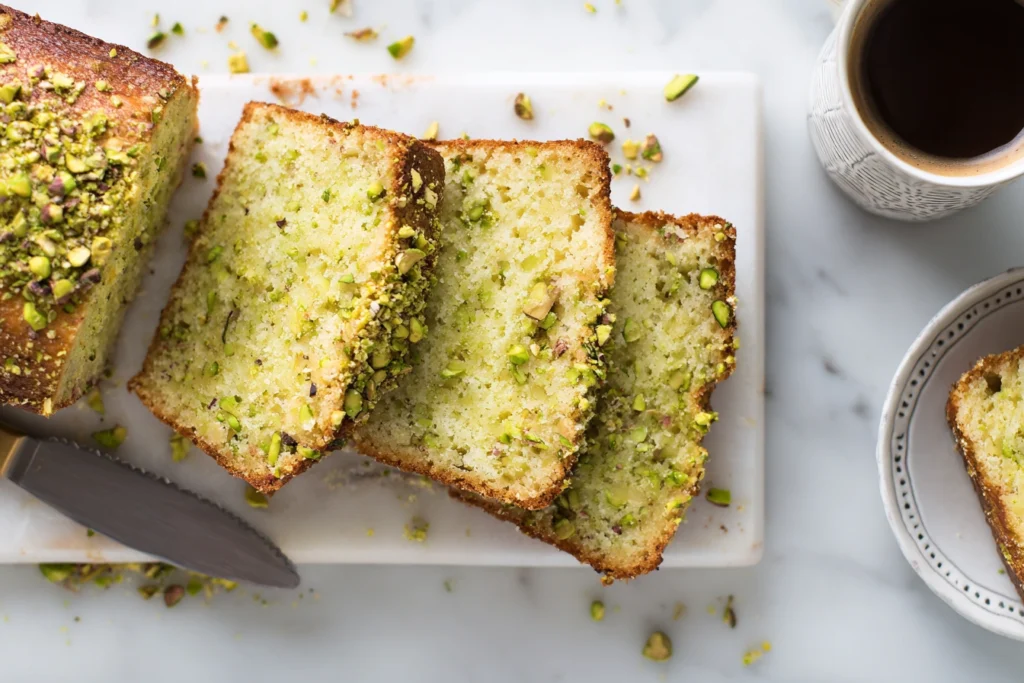
A beautifully baked pistachio loaf is the perfect example of how simple ingredients can create something refined and comforting at the same time. With its soft crumb, delicate green tone, and rich nutty aroma, this cake stands out from traditional quick breads. Whether served with coffee in the morning or enjoyed as a light dessert, it brings a sense of warmth and elegance to any table. Unlike overly sweet bakery cakes, this recipe focuses on balance. The natural flavor of pistachios adds depth without heaviness, while a carefully mixed batter keeps the texture tender and moist. Many home bakers appreciate how reliable this style of loaf can be, especially when they want a recipe that looks impressive but remains easy to prepare. Why This Nutty Pistachio Loaf Is So Popular Over the past few years, pistachio-based desserts have gained attention for their unique flavor profile. The nuts provide a gentle sweetness and a buttery finish that pairs beautifully with vanilla or light citrus notes. Because of this versatility, the loaf format has become a favorite among both beginner and experienced bakers. Another reason people love this dessert is its practicality. A single pan yields several slices, making it ideal for sharing or storing for later. The oils naturally present in pistachios also help maintain moisture, which means the cake stays soft longer than many traditional sponge recipes. Ingredients for a Perfect Pistachio Loaf To create a balanced texture and flavor, each ingredient in this pistachio loaf plays a specific role. Using fresh, high-quality components makes a noticeable difference in the final result. Dry Ingredients Wet Ingredients The combination of coconut flour and cornstarch helps stabilize the crumb, ensuring the pistachio loaf stays tender without becoming dense. Step-by-Step To Make Pistachio Loaf Prepare Your Pan and Oven Preheat your oven to 325°F (165°C). Line a standard loaf pan with parchment paper so the cake releases easily after baking. Grind the Pistachios Place pistachios and sugar in a food processor and pulse until finely ground. The texture should resemble a soft powder rather than a paste. This step ensures that the flavor spreads evenly throughout the batter. Mix the Wet Components Add the cubed butter and blend until incorporated. Then add the eggs, milk, and vanilla extract. Process until the mixture looks smooth and creamy. Combine the Dry Ingredients Add coconut flour, all-purpose flour, cornstarch, baking powder, and salt. Pulse gently just until combined. Over-mixing can make the loaf heavy. Bake the Batter Pour the mixture into your prepared pan and smooth the surface. Bake for about 60 to 70 minutes, or until a toothpick inserted into the center comes out clean. Cool Completely Allow the cake to cool before slicing. This helps the structure set and prevents crumbling. Tips to Achieve the Best Texture A few simple techniques can make a big difference in the outcome of your pistachio loaf. These small details help create a dessert that looks and tastes professionally made. Flavor Variations to Explore One of the most enjoyable aspects of baking this recipe is how easily it can be adapted. Lemon Twist Add a little lemon zest for a fresh and aromatic variation that highlights the natural sweetness of pistachios. Almond Aroma A few drops of almond extract deepen the flavor and add complexity without overpowering the loaf. Chocolate Addition Fold in dark chocolate chips for a richer version that transforms the loaf into a more indulgent treat. What Makes This Pistachio Loaf So Moist? Moisture is essential in any successful cake, and this recipe achieves it through a thoughtful balance of fats and dry ingredients. Pistachios contain natural oils that help soften the crumb, while butter adds richness and structure. Coconut flour absorbs liquid without making the batter heavy, creating a texture that remains soft even after a day or two. Many bakers notice that the flavor improves over time. As the loaf rests, the nutty notes become more pronounced, making each slice even more enjoyable. ✦ And if you’re craving a more indulgent pastry experience, our pistachio croissant offers a flaky, bakery-inspired twist that pairs perfectly with coffee. Serving Suggestions This cake can be served in several different ways depending on the occasion. Its subtle sweetness allows it to fit into both casual and refined settings. ✦ For something buttery and festive, don’t miss our cranberry pistachio shortbread cookies, a beautiful balance of nutty richness and sweet tart flavor. How to Store Your Pistachio Loaf Proper storage helps maintain freshness and flavor. Because this pistachio loaf retains moisture well, it often tastes just as good the next day. ✦ If you enjoy soft bakery-style treats, you may also love our pistachio muffins — a delicate and flavorful recipe perfect for breakfast or brunch. Common Mistakes to Avoid Even simple recipes can benefit from a few reminders. Following the recommended steps ensures a consistent and reliable result. Frequently Asked Questions Can I Make This Recipe Gluten-Free? Yes. Replace the all-purpose flour with a gluten-free blend suitable for baking. Can I Reduce the Sugar? You can reduce it slightly, but sugar contributes to both sweetness and texture. Why Did My Cake Turn Out Dense? Over-mixing or using too much flour are common causes of a heavy texture. Final Thoughts Baking a pistachio loaf at home is a rewarding experience that combines simplicity with elegance. The delicate nut flavor, soft crumb, and beautiful appearance make it a versatile dessert that works for everyday moments or special occasions. Once you become comfortable with the technique, you may find yourself returning to this recipe again and again. Whether served plain or dressed up with toppings, this pistachio loaf brings together flavor, texture, and visual appeal in a way that feels both timeless and modern. It is a recipe that invites creativity while remaining reliable, making it a wonderful addition to any baker’s collection. This article is thoughtfully inspired by insights gathered from trusted culinary sources, including this detailed reference

Pistachio Loaf: A Moist and Elegant Nutty Cake for Every Occasion Read More »

Powdered Sugar Donuts

Powdered Sugar Donuts – Soft, Fluffy Homemade Bakery-Style Treat

Few homemade desserts feel as nostalgic and comforting as powdered sugar donuts. Soft, light, and coated in a delicate layer of sweet sugar, these donuts bring the warmth of a classic bakery straight into your kitchen. Many bakers love powdered sugar donuts because they are easy to prepare, require simple ingredients, and deliver a fluffy texture that feels both indulgent and familiar. Unlike traditional yeast donuts, powdered sugar donuts are typically made using a cake-style batter that bakes quickly in the oven. This method creates a tender crumb while avoiding the complexity of frying. Whether you are preparing breakfast for family, planning a cozy brunch, or simply craving a sweet treat, powdered sugar donuts offer a simple yet elegant solution. Why You’ll Love Powdered Sugar Donuts There are many reasons why powdered sugar donuts remain a favorite among home bakers. Their preparation is straightforward, making them ideal even for beginners. Instead of waiting for dough to rise, you simply mix the batter, bake, and coat. Powdereed sugar donuts also have a versatile flavor profile. They are sweet without being overwhelming, which allows them to pair beautifully with coffee, tea, or fresh fruit. Because the texture resembles a soft cake, powderedd sugar donuts feel lighter than fried pastries while still satisfying dessert cravings. Another advantage is how customizable powdered sugar donuts can be. You can adjust spices, add citrus zest, or experiment with different extracts while maintaining the classic look and taste. What Makes Powdered Sugar Donuts Unique? The secret behind great powdered sugar donuts lies in balance. The batter combines butter for flavor and oil for moisture, resulting in donuts that stay soft even after cooling. A touch of nutmeg is often added to powderedd sugar donuts to recreate the subtle bakery aroma that many people recognize instantly. Unlike glazed donuts, powdered sugar donuts rely on a simple coating that enhances sweetness without overpowering the soft interior. This snowy layer of sugar creates an elegant finish that makes powdered sugar donuts look as beautiful as they taste. Because the batter is piped directly into a donut pan, powdereed sugar donuts are easy to shape and require no rolling or cutting, which makes them perfect for quick baking sessions. Ingredients for Classic Powdered Sugar Donuts Creating homemade powderedd sugar donuts starts with everyday baking ingredients. Each component plays an important role in achieving the perfect texture. Dry Ingredients Wet Ingredients Coating Using both butter and oil helps powdereed sugar donuts stay moist while still delivering rich flavor. The combination of white and brown sugar adds depth and a soft crumb. How to Make Powdered Sugar Donuts Step by Step 1. Prepare the Oven and Pan Preheat your oven to 425°F (220°C). Lightly grease a donut pan to ensure your powdeered sugar donuts release easily after baking. 2. Mix the Wet Ingredients In a large bowl, blend butter, oil, and sugars until smooth. Add eggs and vanilla extract, mixing gently until fully combined. 3. Combine the Dry Ingredients Whisk flour, baking powder, baking soda, salt, and nutmeg in a separate bowl. Even mixing ensures your powdered sugar donuts bake evenly. 4. Create the Batter Alternate adding the dry ingredients and milk into the wet mixture. Stir until just combined to keep powdereed sugar donuts soft and fluffy. 5. Fill the Donut Pan Pipe or spoon the batter into each cavity, filling just below the rim so the powdeered sugar donuts rise evenly. 6. Bake Until Light and Tender Bake for about 10 minutes, or until the donuts spring back when touched. 7. Coat in Powdered Sugar Allow the donuts to cool slightly before rolling them generously in powdered sugar. Warm powdered sugar donuts hold the coating best. Tips for Perfect Powdered Sugar Donuts Use Room-Temperature Ingredients Room-temperature butter and eggs help create a smoother batter, giving powdered sugar donuts a lighter texture. Avoid Overmixing Overmixing can make powdereed sugar donuts dense. Stir only until the ingredients are combined. Add Classic Flavor A small pinch of nutmeg adds depth and gives powdered sugar donuts their traditional bakery taste. Double Coat for Extra Sweetness For a thicker coating, roll powderedd sugar donuts twice — once warm and again after cooling. Baked vs Fried Powdered Sugar Donuts Many bakers prefer baked powdeered sugar donuts because they are simpler and require less oil. Baking creates a soft cake-like crumb that feels lighter while still delivering the classic donut experience. Fried powderedd sugar donuts, however, develop a crisp exterior and richer flavor. Both methods are delicious, but baked powdered sugar donuts remain a popular choice for home kitchens due to their ease and consistency. ✦ If you enjoy soft bakery-style treats, you may also love our pistachio muffins — a delicate and flavorful recipe perfect for breakfast or brunch. Flavor Variations One of the best things about powdeered sugar donuts is how easily you can customize them. Lemon Powdered Sugar Donuts Add fresh lemon zest to the batter for a bright citrus twist. Chocolate Powdered Sugar Donuts Replace a portion of the flour with cocoa powder to create a rich chocolate version. Cinnamon Powdered Sugar Donuts Mix cinnamon into the powdered sugar coating for a warm spiced finish. Vanilla Bean Powdered Sugar Donuts Use vanilla bean paste to enhance flavor and aroma. ✦ For something buttery and festive, don’t miss our cranberry pistachio shortbread cookies, a beautiful balance of nutty richness and sweet tart flavor. Storage Tips Powdereed sugar donuts are best enjoyed fresh, but they can be stored if needed. If storing, re-dust powdereed sugar donuts before serving since the sugar may dissolve slightly over time. Serving Ideas Powdered sugar donuts pair beautifully with simple drinks and breakfast dishes: Arranging powderedd sugar donuts on a dessert tray creates an inviting presentation perfect for gatherings or weekend brunch. ✦ And if you’re craving a more indulgent pastry experience, our pistachio croissant offers a flaky, bakery-inspired twist that pairs perfectly with coffee. Common Mistakes to Avoid Overfilling the Pan Too much batter can cause powderedd sugar donuts

Powdered Sugar Donuts – Soft, Fluffy Homemade Bakery-Style Treat Read More »