
diamondmeals.com

drsoukainaelaziz@gmail.com

Cranberry Pistachio Shortbread Cookies

Cranberry Pistachio Shortbread Cookies: Buttery Elegance with a Festive Touch

Shortbread is one of the most refined cookies in classic baking, known for its rich butter flavor, delicate crumb, and timeless simplicity. When enhanced with tart dried cranberries and crunchy pistachios, it transforms into something visually stunning and irresistibly flavorful. Cranberry pistachio shortbread cookies combine tradition with celebration, making them a favorite for holidays, special occasions, and elegant everyday treats. These cookies are beloved not because they are complicated, but because they rely on balance — rich butter softened by sweetness, gentle crunch contrasted with tender texture, and bright bursts of fruit that cut through the richness. With the right technique and quality ingredients, this recipe delivers bakery-level results straight from your home kitchen. Why These Cranberry Pistachio Shortbread Cookies Stand Out What makes cranberry pistachio shortbread cookies so special is their ability to feel indulgent without being heavy. Shortbread dough contains no eggs and very little sugar compared to other cookies, allowing the butter to shine. The cranberries add a subtle tang that keeps each bite fresh, while pistachios contribute texture and depth without overpowering the dough. Visually, these cookies are striking. The red and green elements create a naturally festive appearance, which is why they are often associated with winter celebrations. However, their flavor profile is balanced enough to enjoy year-round with coffee, tea, or as part of a dessert spread. Understanding the Nature of Shortbread Shortbread differs from most cookies because it is defined by restraint. There is no leavening agent, no eggs, and no aggressive mixing. The goal is tenderness, not height or chewiness. The hallmark of excellent cranberry pistachio shortbread cookies is a crumb that melts gently on the tongue while still holding its shape. This texture is achieved by using a high ratio of butter to flour and mixing only until the dough comes together. Overworking the dough develops gluten, which can make the cookies tough. Precision and patience are far more important than speed. Ingredient To Make Cranberry Pistachio Shortbread Cookies Butter Butter is the foundation of flavor. It should be unsalted, high quality, and softened to room temperature. Cold butter will not cream properly, while melted butter will compromise structure. In cranberry pistachio shortbread cookies, butter provides richness, aroma, and the signature tender bite. Sugar Sugar sweetens without dominating. Many bakers prefer granulated sugar for a slightly crisp edge, while powdered sugar creates a finer, softer crumb. Either option works as long as the sweetness remains subtle and balanced. Flour All-purpose flour provides structure. Measuring accurately is essential. Too much flour will result in dry cookies, while too little may cause spreading. The goal is a dough that is firm yet pliable. Dried Cranberries Cranberries introduce acidity and brightness. They should be chopped into smaller pieces to distribute evenly throughout the dough. This ensures that every slice of cranberry pistachio shortbread cookies has a balanced flavor rather than pockets of tartness. Pistachios Pistachios add crunch and visual contrast. Lightly chopping them prevents uneven baking. Toasting is optional but can enhance their nutty flavor if desired. Flavor Enhancers Vanilla extract adds warmth and depth. Citrus zest, especially orange, is a popular optional addition that pairs beautifully with both cranberries and pistachios without overwhelming the butter base. Step-by-Step Method Step 1: Preparation Allow the butter to reach room temperature. Chop the cranberries and pistachios evenly. Line baking sheets with parchment paper and set aside. Step 2: Creaming Cream the butter and sugar together until pale and fluffy. This step incorporates air and is essential for tender cranberry pistachio shortbread cookies. Do not rush this process. Step 3: Flavoring Add vanilla extract and optional citrus zest. Mix just until incorporated, allowing the aroma to blend evenly into the butter. Step 4: Adding Dry Ingredients Gradually add flour and salt, mixing on low speed or by hand. Stop mixing as soon as the dough comes together. Overmixing will affect the final texture. Step 5: Folding Add-Ins Gently fold in the chopped cranberries and pistachios. The dough should look evenly speckled without being overloaded. Step 6: Shaping and Chilling Divide the dough into logs about two inches in diameter. Wrap tightly and refrigerate for at least one hour. Chilling improves flavor, controls spreading, and allows for clean slicing — a crucial step when making cranberry pistachio shortbread cookies. Step 7: Baking Preheat the oven to 350°F (175°C). Slice the chilled dough into even rounds and place them on prepared baking sheets with space between each cookie. Bake until the edges are lightly golden while the centers remain pale. Step 8: Cooling Let the cookies cool briefly on the baking sheet before transferring them to a wire rack. As they cool, they will firm up while maintaining a delicate crumb. For an extra layer of pistachio richness, a spoonful of homemade pistachio syrup brings subtle sweetness and depth to desserts. Texture and Flavor Tips Following these principles ensures consistently excellent cranberry pistachio shortbread cookies. If you enjoy bold pistachio flavor, a smooth pistachio paste is a wonderful base for fillings, creams, and baked treats. Variations to Elevate the Cranberry Pistachio Shortbread Cookies Recipe While the classic version is timeless, subtle variations can add interest: Each variation keeps the integrity of cranberry pistachio shortbread cookies while offering a new experience. For a more indulgent pastry experience, pistachio croissants offer a beautiful balance of flaky texture and nutty filling. Storage and Make-Ahead Convenience Once baked and cooled, these cookies store well in an airtight container at room temperature for up to one week. The dough logs can also be frozen for up to two months, making cranberry pistachio shortbread cookies an excellent option for advance preparation during busy seasons. Serving Suggestions Serve these cookies with hot tea, espresso, or coffee. They are ideal for gift boxes, dessert platters, and festive gatherings. Their refined appearance makes them appropriate for both casual and formal occasions. Final Thoughts Cranberry pistachio shortbread cookies represent everything that makes classic baking beautiful: simplicity, balance, and attention to detail. With rich butter, subtle sweetness, and vibrant

Cranberry Pistachio Shortbread Cookies: Buttery Elegance with a Festive Touch Read More »

Pistachio Croissant

Pistachio Croissant: The Ultimate Guide to a Luxurious Bakery-Style Pastry at Home

The pistachio croissant is one of those pastries that instantly feels special. Flaky, buttery layers meet a rich, nutty pistachio filling, creating a balance that is indulgent without being overwhelming. Once a quiet favorite in artisan bakeries, the pistachio croissant has now become a global obsession, celebrated for its vibrant color, elegant flavor, and irresistible texture. In this in-depth guide, you’ll discover everything you need to know about making a perfect pistachio croissant at home—from understanding the pastry itself to preparing a smooth pistachio filling, assembling the croissants, and baking them to golden perfection. Whether you’re an experienced baker or a passionate home cook, this article will help you achieve bakery-quality results. What Makes a Pistachio Croissant So Special? A classic croissant is already a masterpiece of baking. Its crisp exterior and honeycomb interior come from a careful process of laminating dough with butter. A pistachio croissant builds on that foundation by adding a creamy pistachio component that enhances both flavor and appearance. Pistachios bring a subtle sweetness, a slightly earthy aroma, and a natural green hue that makes the pastry visually striking. Unlike overly sweet fillings, pistachio cream complements butter rather than competing with it. This harmony is why the pistachio croissant feels refined and luxurious rather than heavy. Another reason the pistachio croissant stands out is its versatility. It can be served as a breakfast pastry, an afternoon treat, or even a dessert when paired with coffee or tea. Understanding the Structure of a Pistachio Croissant To master the pistachios croissant, it helps to understand its structure. There are three essential elements: When these elements come together, the pistachio croissant becomes far more than the sum of its parts. Ingredients for the Perfect Pistachio Croissant For the Croissants For the Pistachio Cream Filling Optional Syrup (Highly Recommended) For Topping These ingredients are simple, but their quality matters. Using real pistachios rather than artificial flavoring makes a dramatic difference in the final pistachio croissant. How to Make Pistachio Croissant Filling The filling is what defines a pistachio croissant, so it deserves special attention. Step 1: Prepare the Pistachios Lightly toast the pistachios in a dry pan for a few minutes until fragrant. Let them cool completely. This step intensifies their flavor. Step 2: Grind the Pistachios Place the pistachios in a food processor and pulse until very finely ground. Be careful not to overprocess, or they may turn oily. Step 3: Make the Cream Add the sugar and butter to the ground pistachios and blend until smooth. Add the egg, vanilla, salt, and milk, then blend again until creamy and spreadable. The result should be a rich, smooth pistachio cream that holds its shape but spreads easily. This filling is the soul of a great pistachio croissant. Preparing the Croissants Step 1: Make the Syrup Combine sugar and water in a small saucepan. Heat gently until the sugar dissolves, then let it cool. This syrup keeps the pistachio croissant moist and enhances flavor. Step 2: Slice the Croissants Cut each croissant horizontally, like a sandwich, without cutting all the way through. Step 3: Brush with Syrup Lightly brush the inside of each croissant with the syrup. This step is subtle but makes a big difference in texture. Assembling the Pistachios Croissant Now comes the most satisfying part. At this stage, your pistachios croissant already looks like something from a high-end bakery. For a deeper pistachio flavor, you can enhance the filling with a drizzle of our homemade pistachio syrup, which adds subtle sweetness and aroma. Baking Instructions Let them cool for a few minutes, then dust lightly with powdered sugar if desired. If you prefer a more intense, authentic taste, this recipe pairs beautifully with our smooth pistachio paste, made from finely ground premium pistachios. Tips for Bakery-Style Pistachios Croissants These small details separate a good pistachios croissant from a truly exceptional one. For a lighter, creamier variation, some bakers like to incorporate pistachio milk into the filling for a delicate and balanced finish. Creative Pistachio Croissant Variations Once you’ve mastered the classic pistachio croissant, try these variations: Each variation keeps the pistachio croissant at the center while offering a new flavor experience. How to Serve and Store Pistachio Croissants Serving Serve a pistachio croissant with coffee, cappuccino, or green tea. It works beautifully for brunch, dessert, or a refined afternoon snack. Storage Store leftover pistachio croissants in an airtight container at room temperature for up to 2 days. Reheat briefly in the oven to restore crispness. Freezing You can freeze unbaked assembled pistachios croissants. Bake directly from frozen, adding a few extra minutes to the baking time. Why the Pistachio Croissant Is Worth Making at Home Making a pistachios croissant at home may feel intimidating, but the payoff is enormous. You control the quality of ingredients, the intensity of pistachio flavor, and the level of sweetness. Homemade versions often taste richer and fresher than bakery ones. Beyond taste, the pistachios croissant is a visual showstopper. Its green filling, golden crust, and delicate layers make it perfect for special occasions or simply treating yourself to something extraordinary. Final Thoughts The pistachios croissant is more than just a trend—it’s a timeless pastry that combines classic French technique with the distinctive elegance of pistachios. With flaky layers, creamy filling, and a perfectly balanced flavor, it’s easy to see why this pastry has captured the hearts of bakers and food lovers alike. This article draws inspiration from carefully selected expert resources, including detailed insights found here.

Pistachio Croissant: The Ultimate Guide to a Luxurious Bakery-Style Pastry at Home Read More »

Pistachio Muffins

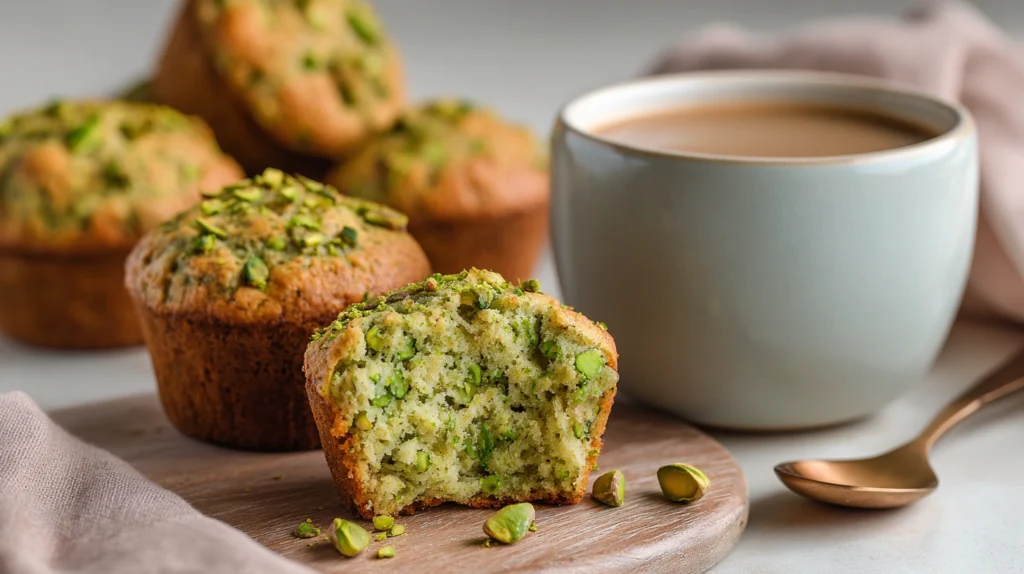
Bakery-Style Pistachio Muffins: A Complete and Reliable Recipe Guide

Baking at home becomes truly rewarding when the results rival those of a professional bakery. Few baked goods achieve this balance as effortlessly as pistachio muffins. With their soft interior, delicate nutty flavor, and visually appealing green tones, they feel elegant yet comforting at the same time. These muffins are perfect for breakfast, brunch, or a refined afternoon snack. This detailed guide will help you master bakery-style muffins using reliable techniques, balanced ingredients, and simple steps. The result is consistently moist, flavorful, and beautifully domed pistachio muffins that look as good as they taste. Why These Muffins Deserve a Place in Your Kitchen Pistachios bring a unique flavor that is subtly sweet, buttery, and slightly earthy. When baked into muffins, this flavor becomes gentle and well-rounded, making them appealing to a wide range of tastes. Unlike overly sweet pastries, pistachio muffins feel refined and balanced. Another reason they are so popular is their versatility. They can be kept simple for everyday enjoyment or enhanced with toppings, citrus notes, or glazes for special occasions. Their texture remains soft and tender, even a day or two after baking, making them an excellent make-ahead option. Ingredients That Make the Difference Each ingredient in this recipe plays a specific role in achieving the perfect texture and flavor. Dry Ingredients Wet Ingredients Optional Add-Ins These carefully selected ingredients work together to produce consistent, bakery-quality pistachio muffins. Step-by-Step Instructions 1. Preheat and Prepare Preheat your oven to 425°F (220°C). Line a standard muffin pan with paper liners or grease thoroughly. The high initial temperature is essential for achieving tall muffin tops. 2. Mix the Dry Ingredients In a large bowl, whisk together the flour, pistachio pudding mix, baking powder, salt, and sugar until evenly combined. 3. Combine the Wet Ingredients In another bowl, whisk the eggs, oil, melted butter, milk, sour cream, vanilla extract, and almond extract until smooth. 4. Combine Wet and Dry Add the dry mixture to the wet ingredients. Gently fold with a spatula until just combined. Avoid over-mixing, as this can lead to dense muffins. 5. Rest the Batter Allow the batter to rest for about 10 minutes. This step improves texture and promotes better rise during baking. 6. Fill the Muffin Cups Fill each cup almost to the top. Sprinkle chopped pistachios and coarse sugar over the batter for added crunch and visual appeal. 7. Bake Bake at 425°F (220°C) for 5 minutes, then reduce the temperature to 375°F (190°C) without opening the oven. Continue baking for 13–15 minutes until a toothpick comes out with a few moist crumbs. 8. Cool Let the muffins cool in the pan for 5 minutes before transferring them to a wire rack. At this stage, your pistachio muffins should be domed, golden, and fragrant. For a deeper pistachio flavor, you can also explore our homemade pistachio syrup, perfect for adding a subtle nutty sweetness to baked goods and drinks. Professional Baking Tips These small details make a noticeable difference in the final pistachio muffins. Flavor Variations Lemon Pistachio Add lemon zest to the batter for a fresh, bright contrast. Chocolate Pistachio Fold in white or dark chocolate chips for a richer version. Glazed Version Top cooled muffins with a light vanilla glaze for extra elegance. Jumbo Size Use a jumbo muffin pan and adjust baking time for oversized pistachio muffins. If you enjoy working with rich, concentrated flavors, our pistachio paste is an excellent option for enhancing both desserts and pastries. Storage and Freezing Store muffins in an airtight container at room temperature for up to three days. For longer storage, refrigerate for up to five days. To freeze, wrap each muffin individually and store in a freezer-safe container for up to two months. Thaw at room temperature or warm gently before serving. Proper storage preserves the moisture and flavor of pistachio muffins. For a lighter and dairy-free alternative, our pistachio milk offers a smooth, aromatic way to extend pistachio flavor beyond baking. Common Mistakes to Avoid Avoiding these mistakes ensures consistently soft pistachio muffins. Why This Recipe Works Every Time The combination of oil, butter, and pudding mix guarantees moisture. The balance of extracts enhances flavor without overpowering it. Proper temperature control creates bakery-style structure and appearance. This approach results in pistachio muffins that are tender, flavorful, and visually appealing every single time. Final Thoughts Baking pistachio muffins at home is simple when the right techniques are used. With carefully chosen ingredients, controlled mixing, and proper baking temperatures, you can achieve professional results in your own kitchen. These pistachio muffins are elegant enough for guests yet comforting enough for everyday enjoyment. Once you try them, they are likely to become a regular favorite in your baking routine. To ensure accuracy and depth, we consulted trusted external references that helped shape and inform this content

Bakery-Style Pistachio Muffins: A Complete and Reliable Recipe Guide Read More »

Pistachio Syrup

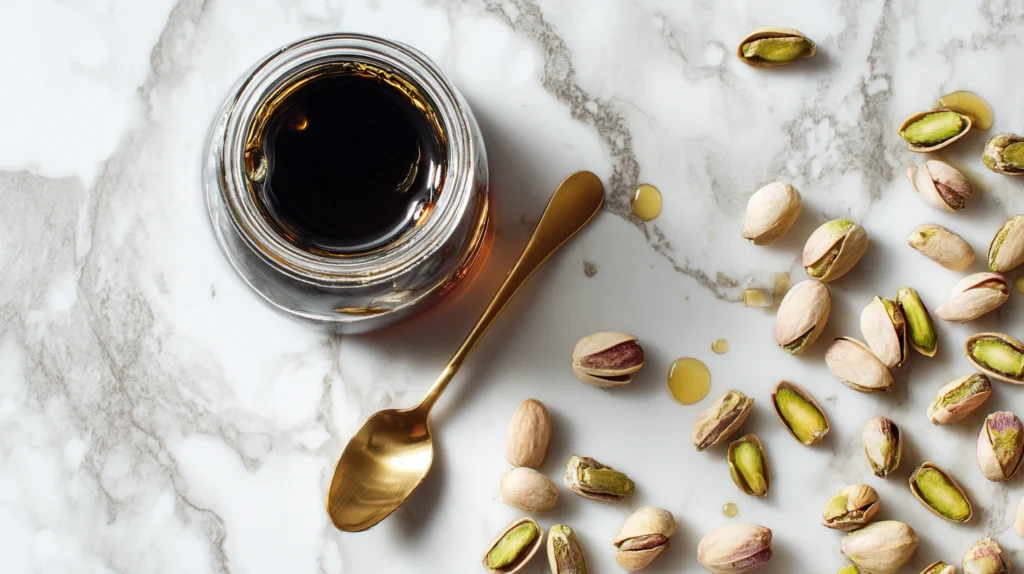
Pistachio Syrup: A Complete Homemade Guide for Drinks, Desserts, and Creative Recipes

Pistachio syrup is one of those ingredients that instantly elevates any recipe it touches. With its delicate nutty aroma, subtle sweetness, and luxurious character, it has become a favorite in coffee shops, home kitchens, and dessert studios around the world. Whether stirred into a warm latte, drizzled over pancakes, or blended into a milkshake, pistachio syrup brings depth and elegance that few other flavored syrups can match. In this article, you will discover everything you need to know about pistachio syrup: what it is, how to make it at home, expert techniques for perfect flavor, variations to suit different lifestyles, and the many delicious ways to use it. What Is Pistachio Syrup? Pistachio syrup is a sweet, nut-infused liquid made by combining sugar, water, and pistachios. During gentle cooking, the pistachios release their natural oils and flavor compounds into the syrup, creating a smooth and aromatic result. Unlike artificial nut syrups, a well-made pistachio syrup delivers a natural taste that feels rich but balanced. Its texture is slightly thicker than simple syrup, making it ideal for beverages, desserts, and sauces. The flavor profile is soft, creamy, and mildly roasted, with a sweetness that complements rather than overwhelms other ingredients. Why Make Pistachio Syrup at Home? Making pistachio syrup at home gives you full control over quality and flavor. Many commercial syrups rely heavily on artificial coloring and flavoring, while homemade versions highlight real pistachios as the star ingredient. Homemade pistachio syrup allows you to: For anyone who values flavor and simplicity, homemade pistachio syrup is an excellent kitchen staple. Ingredients Needed A classic pistachio syrup recipe requires only a few ingredients, yet each one plays an essential role: Choosing fresh pistachios with a pleasant aroma is key to achieving a high-quality syrup. Step-by-Step Method 1. Prepare the Pistachios Roughly chop the pistachios to expose their interior. This helps release flavor during cooking. 2. Combine Ingredients Add sugar, water, and pistachios to a saucepan and stir gently. 3. Heat Gently Bring the mixture to a boil over medium heat, stirring until the sugar is fully dissolved. 4. Simmer Slowly Reduce the heat and let the mixture simmer for 8–10 minutes. This step allows the pistachio flavor to infuse deeply into the syrup. 5. Rest for Infusion Remove from heat and let the syrup sit for about 15 minutes to intensify the flavor. 6. Strain Strain through a fine mesh sieve or cheesecloth, pressing lightly to extract all liquid. 7. Cool and Store Once cooled, pour the pistachio syrup into a clean bottle and refrigerate. For a richer pistachio experience, you may also enjoy our homemade pistachio sauce recipe, perfect for desserts and drinks. Flavor and Texture Characteristics Properly prepared pistachio syrup should be smooth, lightly thick, and glossy. The taste is gently sweet with a clear pistachio presence that feels creamy rather than heavy. The color may range from pale gold to light green depending on the pistachios used. As it cools, the syrup naturally thickens, making it ideal for both hot and cold applications. Pistachio Syrup Variations Sugar-Free Option Use a sugar substitute designed for cooking. A small amount of thickener can help replicate traditional texture. Extra-Rich Version Blending the syrup briefly before straining extracts more nut oils, producing a more intense pistachio flavor. Lightly Aromatic Version A touch of vanilla or almond extract enhances depth without overpowering the pistachio. Each variation allows pistachio syrup to adapt to different dietary needs and flavor preferences. If you love natural sweetness, don’t miss our strawberry jam without pectin, made with simple ingredients and pure fruit flavor. How to Use Pistachio Syrup Coffee and Hot Drinks Pistachio syrup pairs beautifully with espresso, cappuccino, and lattes. It adds warmth and a refined nutty sweetness. Iced Beverages It dissolves easily in iced coffee, cold brew, and iced milk drinks, creating a refreshing yet indulgent result. Desserts Drizzle pistachio syrup over ice cream, waffles, pancakes, or yogurt. It also works well in dessert sauces and glazes. Baking Use it to flavor cake layers, frostings, or pastry fillings for a subtle pistachio note. Cocktails and Mocktails Pistachio syrup brings originality to drinks, especially creamy or nut-based beverages. For a unique and refreshing pairing, try our banana matcha recipe, a smooth blend that works beautifully with nutty flavors. Expert Tips for Best Results Attention to detail ensures consistently excellent pistachio syrup. Pistachio Syrup Compared to Other Flavored Syrups Unlike vanilla or caramel syrups, pistachio syruup offers complexity from natural nut oils. It provides body as well as sweetness, acting as both a flavor enhancer and textural element. This makes it feel more luxurious, even when used sparingly. Its versatility allows it to shine in both simple and elaborate recipes. Why Pistachio Syrup Is So Popular The growing interest in specialty coffee and homemade gourmet recipes has brought pistachio syruup into the spotlight. Its unique flavor, elegant appearance, and wide range of uses make it appealing to both professionals and home cooks. As people seek more natural and distinctive flavors, pistachio syrup continues to stand out as a refined yet comforting choice. Final Thoughts Pistachio syruup is a simple ingredient with remarkable impact. Made from just a few components, it transforms drinks and desserts into memorable creations. Preparing pistachio syrup at home allows you to enjoy authentic flavor, customize sweetness, and elevate everyday recipes with ease. Once you add pistachio syruup to your kitchen, it quickly becomes an indispensable so favorite. This article draws inspiration from trusted culinary references, including detailed guides such as as this pistachio syrup resource.

Pistachio Syrup: A Complete Homemade Guide for Drinks, Desserts, and Creative Recipes Read More »

banana syrup for coffee

Banana Syrup for Coffee (Easy Homemade Café-Style Recipe)

Banana syrup for coffee is a unique and comforting way to add natural sweetness and depth to your favorite coffee drinks. Smooth, aromatic, and gently spiced, this homemade syrup transforms ordinary coffee into a café-style experience without relying on artificial flavors or preservatives. Made from ripe bananas and simple pantry ingredients, it delivers a warm, bakery-inspired taste that feels indulgent yet balanced. In recent years, flavored coffee syrups have become increasingly popular, especially among home baristas looking to recreate specialty drinks at home. Banana syrup for coffee stands out because it offers something different from classic vanilla or caramel. Its flavor is soft, rounded, and naturally sweet, making it ideal for both hot and iced coffee drinks. What Is Banana Syrup for Coffee? Banana syrup for coffee is a fruit-based syrup created by simmering ripe bananas with a sweetener and water until the flavors concentrate into a smooth, pourable liquid. Unlike commercial syrups that rely on extracts, this version uses real bananas, which gives it depth, authenticity, and a naturally rich aroma. The purpose of banana syrup for coffee is not to overpower the drink, but to enhance it. When used correctly, it blends seamlessly with coffee, adding subtle sweetness and a comforting note reminiscent of banana bread or caramelized fruit. Its texture allows it to dissolve easily into hot espresso or cold beverages without separating. Because it is made from real ingredients, banana syrup for coffee offers a fresher, more nuanced flavor than many store-bought alternatives. Why Banana Works So Well in Coffee Coffee naturally contains bitter, roasted, and sometimes chocolatey notes. These flavors benefit from gentle sweetness and warmth. Banana syrup for coffee complements coffee because ripe bananas contain natural sugars and mild caramel tones that soften bitterness without masking the coffee itself. When combined with vanilla and cinnamon, banana syrup develops a flavor profile that feels cozy and familiar. It pairs particularly well with creamy textures, which is why it shines in lattes, cappuccinos, and iced milk-based drinks. Even in black coffee or cold brew, a small amount of banana syrup for coffee can round out sharp edges and create balance. This harmony between fruit sweetness and roasted coffee makes banana syrup a surprisingly elegant addition. Ingredients for Banana Syrup for Coffee This recipe relies on simple, accessible ingredients. The quality of your bananas is the most important factor. Ingredients Optional additions include nutmeg, allspice, or a cinnamon stick for extra warmth. These ingredients work together to create a balanced banana syrup for coffee that is flavorful without being heavy. How to Make Banana Syrup for Coffee Making banana syrup for coffee is quick and straightforward, even for beginners. The process takes about ten minutes. Step 1: Prepare the Bananas Peel the bananas and mash them thoroughly in a bowl. The riper the bananas, the sweeter and more aromatic the syrup will be. Step 2: Combine Ingredients Place the mashed bananas, sweetener, water, cinnamon, and salt into a small saucepan. Stir gently to combine. Step 3: Simmer Heat the mixture over medium heat until it reaches a gentle simmer. Stir occasionally and allow it to cook for 5 to 7 minutes. During this time, the flavors will blend and the liquid will slightly thicken. Step 4: Add Vanilla Remove the saucepan from heat and stir in the vanilla extract. This step enhances the aroma and smoothness of the banana syrup for coffee. Step 5: Strain For a smooth, professional texture, strain the syrup through a fine mesh sieve. Press gently to extract as much liquid as possible. Step 6: Cool and Store Let the syrup cool completely before transferring it to a clean glass container. As it cools, the banana syrup for coffee will thicken slightly. If you enjoy creamy, nut-forward flavors, you may also love our pistachio sauce recipe, which adds a rich and elegant touch to both drinks and desserts How to Use Banana Syrup for Coffee Once prepared, banana syrup for coffee can be used in many different ways. Hot Banana Latte Add one to two tablespoons of banana syrup for coffee to a cup of espresso. Top with steamed milk and stir gently. This creates a comforting, café-style drink. Iced Coffee Pour cold coffee or cold brew over ice, add banana syrup for coffee, and finish with milk or a plant-based alternative. The result is refreshing and smooth. Cold Brew Stir banana syrup for coffee directly into cold brew to soften its boldness while maintaining its strength. Dessert-Style Drinks Banana syrup pairs well with chocolate or cocoa, creating rich drinks reminiscent of dessert coffees. Start with a small amount and adjust according to taste. Banana syrup for coffee is naturally sweet, so moderation is key. For another homemade classic, our strawberry jam made without pectin is a beautiful example of how simple ingredients can deliver pure, authentic flavor Variations of Banana Syrup for Coffee One of the advantages of banana syrup for coffee is how easy it is to customize. Caramelized Banana Version Lightly caramelize the bananas with sugar before adding water. This creates a deeper, more intense flavor. Banana Bread Style Add nutmeg and extra cinnamon to mimic the taste of banana bread. Vegan Option Use maple syrup or coconut sugar to keep the recipe fully plant-based. Each variation keeps the essence of banana syrup for coffee while offering a slightly different experience. If you’re curious about unique café-style combinations, our banana matcha recipe offers a smooth and modern twist that pairs wonderfully with natural sweetness. Storage and Shelf Life Because it contains fresh fruit, banana syrup for coffee should be stored in the refrigerator. Use an airtight container and consume within 4 to 5 days. If the syrup thickens too much when cold, warm it slightly or stir in a small amount of water or coffee before use. Tips for Best Results These small details make a noticeable difference in the final banana syrup for coffee. Beyond Coffee Uses Although designed for coffee, banana syrup can also be drizzled over

Banana Syrup for Coffee (Easy Homemade Café-Style Recipe) Read More »

carne con chile

Carne con Chile Recipe – Authentic Slow-Cooked Beef with Rich Chile Flavor

Carne con chile is a classic dish that represents comfort, tradition, and bold flavor. Built around slow-cooked beef and a rich chile-based sauce, this recipe has been passed down through generations and adapted across regions while preserving its essence. Hearty, warming, and deeply satisfying, it remains a favorite for family meals and special gatherings alike. This dish is rooted in rustic cooking, where simple ingredients are transformed through time and technique. Rather than relying on heavy sauces or shortcuts, the focus is on carefully prepared chiles, quality beef, and patience. The result is a stew that is rich without being heavy and spicy without overpowering the palate. The Character of a Classic Dish What makes carne con chile special is its balance. The dish highlights the natural richness of beef while allowing the chiles to provide depth, smokiness, and warmth. Unlike many modern chili-style recipes, this preparation emphasizes flavor development over heat intensity. The texture is equally important. The beef is cooked until tender enough to break apart with a spoon, while the sauce thickens naturally as it simmers. Every bite carries layers of flavor that feel both comforting and bold. Ingredients That Build Flavor A successful carne con chile starts with carefully chosen ingredients. Each one plays a specific role in building the final taste. Core Ingredients Optional Enhancements The ingredient list is intentionally simple. The depth of flavor comes from preparation and slow cooking rather than complexity. Preparing the Chile Sauce The heart of carne con chile lies in its sauce. Begin by removing stems and most seeds from the dried chiles. Briefly rinse them, then soak them in hot water until soft. This process releases their aroma and flavor. Once softened, the chiles are blended with garlic and a portion of onion until smooth. A small amount of soaking liquid or broth helps achieve the right consistency. For a refined texture, the sauce can be strained, though this step is optional. This sauce forms the foundation of the dish and determines much of its final character. Browning the Beef for Depth Proper browning is essential. Season the beef with salt and pepper, then brown it in a heavy pot over medium-high heat. Work in batches to avoid steaming the meat. This step creates caramelized flavors that enrich the final dish. Once browned, the beef is set aside while the base of the stew is prepared. Building the Stew Base In the same pot, onions are cooked until soft and lightly golden. Garlic is added briefly to release its aroma. The chile sauce is then poured in and stirred thoroughly, lifting the flavorful browned bits from the bottom of the pot. This mixture is gently simmered to allow the flavors to blend before the beef is returned to the pot. Slow Cooking to Perfection The browned beef is added back, followed by enough broth to partially cover the meat. Spices are added, and the heat is lowered. The stew is covered and allowed to simmer slowly. This stage is where carne con chile truly develops its character. Over the course of two to three hours, the beef becomes tender and absorbs the chile sauce. Occasional stirring ensures even cooking and prevents sticking. As the liquid reduces, the sauce thickens naturally, coating the meat with rich flavor. Final Adjustments and Balance Before serving, the stew is tasted and adjusted. Salt, spices, or liquid can be added as needed. The ideal consistency is thick but still spoonable. Allowing the dish to rest briefly before serving enhances its depth, as the flavors continue to meld. Serving Suggestions Carne con chile is extremely versatile at the table. It can be served in many traditional and creative ways: No matter how it is served, the dish remains hearty and satisfying. If you enjoy rich, home-style flavors, our picadillo recipe is another comforting classic worth exploring. Helpful Tips for Best Results These simple tips make a noticeable difference in the final result. For a bold and festive dish packed with smoky character, our discada recipe offers a delicious change of pace Popular Variations While the traditional preparation is widely loved, carne con chile can be adapted in subtle ways: Each variation keeps the soul of the dish intact while offering something new. Why This Dish Endures The lasting appeal of carne con chile lies in its simplicity and depth. It is a dish that rewards patience and care, turning humble ingredients into something memorable. It brings warmth to the table and invites sharing, making it as meaningful as it is flavorful. This recipe reflects a cooking philosophy that values time, balance, and tradition — qualities that never go out of style. Seafood lovers may also appreciate our tacos gobernador recipe, a refined blend of shrimp, cheese, and Mexican flair. Frequently Asked Questions About carne con chile How does “chile con carne” sound in Spanish? “Chile con carne” literally means chile with meat. In Spanish-speaking regions, it often refers to a meat-based dish cooked with chiles, though the exact preparation varies by country. What meat is used for Chile Colorado? Chile Colorado is traditionally made with beef, most commonly beef chuck or beef shoulder, which becomes tender after slow cooking in a red chile sauce. What is the best meat to use in chile? The best meat for chile is well-marbled beef such as chuck roast or stew meat, as it stays juicy and tender during long simmering. How is carne con chile traditionally made? Carne con chile is traditionally prepared by slow-cooking chunks of beef in a sauce made from dried chiles, garlic, onions, and spices until the meat is tender and deeply flavored. Conclusion Rich, comforting, and deeply flavorful, carne con chile remains a timeless classic. Its tender beef, bold chile sauce, and slow-cooked richness make it a dish worth mastering. Whether prepared for a family meal or a special occasion, it delivers satisfaction with every bite. Once you make it part of your kitchen repertoire, it becomes more than just a

Carne con Chile Recipe – Authentic Slow-Cooked Beef with Rich Chile Flavor Read More »

Prune Juice and Butter Recipe

Prune Juice and Butter Recipe: Natural Digestive Relief That Works Fast

The prune juice and butter recipe has become increasingly popular as a natural, home-based solution for occasional digestive discomfort. Many people are searching for gentle alternatives to commercial laxatives, and this simple combination has drawn attention because it uses familiar ingredients that are easy to prepare and widely available. Although it may sound unusual at first, the idea behind this drink is rooted in the known digestive properties of prune juice combined with a small amount of dietary fat. This article explores the prune juice and butter recipe in detail, including how it works, how to prepare it correctly, when to use it, and important considerations for safe use. The goal is to provide a clear, balanced, and informative guide suitable for a high-quality recipe or wellness blog. What Is the Prune Juice and Butter Recipe? The prune juice and butter recipe is a warm beverage made by gently heating prune juice and stirring in a small amount of unsalted butter until fully melted. It is typically consumed on an empty stomach, most often in the morning or in the evening before bed. This recipe is not a traditional culinary dish but rather a functional drink used for digestive support. Its popularity comes largely from personal experiences shared online and from the long-standing reputation of prune juice as a natural aid for bowel regularity. Why Prune Juice Plays a Central Role Prune juice is produced from dried plums that are rehydrated and pressed into liquid form. It has been used for decades to support digestion, making it the key ingredient in the prune juice and butter recipe. Sorbitol and Water Retention Prune juice naturally contains sorbitol, a type of sugar alcohol that attracts water into the intestines. This process helps soften stool and encourages smoother bowel movements. This mechanism is one of the primary reasons prune juice is effective for digestive support. Natural Fiber Content While prune juice contains less fiber than whole prunes, it still contributes soluble fiber, which helps regulate stool consistency and movement. When combined with adequate hydration, this fiber supports overall gut function. Micronutrients and Hydration Prune juice provides potassium and antioxidants that support muscle activity and fluid balance in the digestive system. Hydration plays a crucial role in maintaining regular digestion, and prune juice contributes to daily fluid intake. The Purpose of Butter in the Recipe The inclusion of butter in the prune juice and butter recipe is intentional and functional rather than purely for taste. Dietary Fat and Digestive Response Dietary fats stimulate bile release, which plays a role in digestion and intestinal movement. A small amount of butter may help activate digestive processes and complement the effects of prune juice. Texture and Palatability Butter gives the drink a smoother texture and slightly mellows the intense sweetness of prune juice. When consumed warm, this combination can feel soothing to the digestive system. Choosing the Right Butter Unsalted butter is recommended to avoid excess sodium. Using only a small quantity ensures the drink remains gentle and easy to digest. Ingredients You Will Need To prepare the classic prune juice and butter recipe, you only need: Optional ingredients for flavor: These additions are optional and do not significantly affect the digestive function of the recipe. How to Make the Prune Juice and Butter Recipe Step 1: Heat the Prune Juice Warm the prune juice gently in a saucepan or microwave. It should be warm but not boiling. Step 2: Add the Butter Add one teaspoon of unsalted butter to the warm juice and stir until fully melted. Step 3: Mix Thoroughly Ensure the butter is evenly incorporated for a smooth texture. Step 4: Drink Slowly Sip the drink slowly while it is warm, preferably on an empty stomach. Preparing the prune juice and butter recipe takes less than five minutes and requires no special equipment. When Is the Best Time to Use It? Most people use the prune juice and butter recipe either in the morning or in the evening. The timing depends on personal preference and digestive response. For a soothing and visually stunning drink, be sure to explore our Butterfly Pea Flower Tea recipe, loved for both its color and calming properties How Often Should It Be Used? This recipe is intended for occasional use, not daily consumption. Using the prune juice and butter recipe responsibly helps avoid dependency. If you enjoy warm, aromatic beverages, our Clove Tea recipe is a wonderful option to complement your daily wellness routine. Potential Benefits The prune juice and butter recipe may offer several benefits when used occasionally: These benefits make it appealing for people seeking a natural digestive aid. Those looking for a simple, functional blend may also appreciate our Bariatric Seed Trick recipe, thoughtfully created for mindful eating habits Possible Side Effects and Precautions While generally safe for most adults, some precautions should be considered: Listening to your body is essential when using any digestive remedy. Variations of the Recipe Dairy-Free Option Replace butter with coconut oil or olive oil. Lighter Version Use half a teaspoon of butter instead of a full teaspoon. Flavor Variation Add cinnamon or vanilla for taste without affecting digestion. These variations allow flexibility while maintaining the core concept of the prune juice and butter recipe. Supporting Digestive Health Naturally While the prune juice and butter recipe can help occasionally, long-term digestive health depends on daily habits: These factors reduce the need for remedies over time. Frequently Asked Questions Is the prune juice and butter recipe safe for regular use?It is best used occasionally rather than daily. Can it replace medical treatment?No. Persistent digestive issues should always be evaluated by a healthcare professional. Why do people put butter in prune juice?Butter adds a small amount of fat that may help stimulate digestion and support bowel movement, while also softening the strong taste of prune juice. How quickly do prune juice and butter work?Results vary, but many people notice an effect within a few hours to the next day, depending on individual

Prune Juice and Butter Recipe: Natural Digestive Relief That Works Fast Read More »

Strawberry Jam Without Pectin

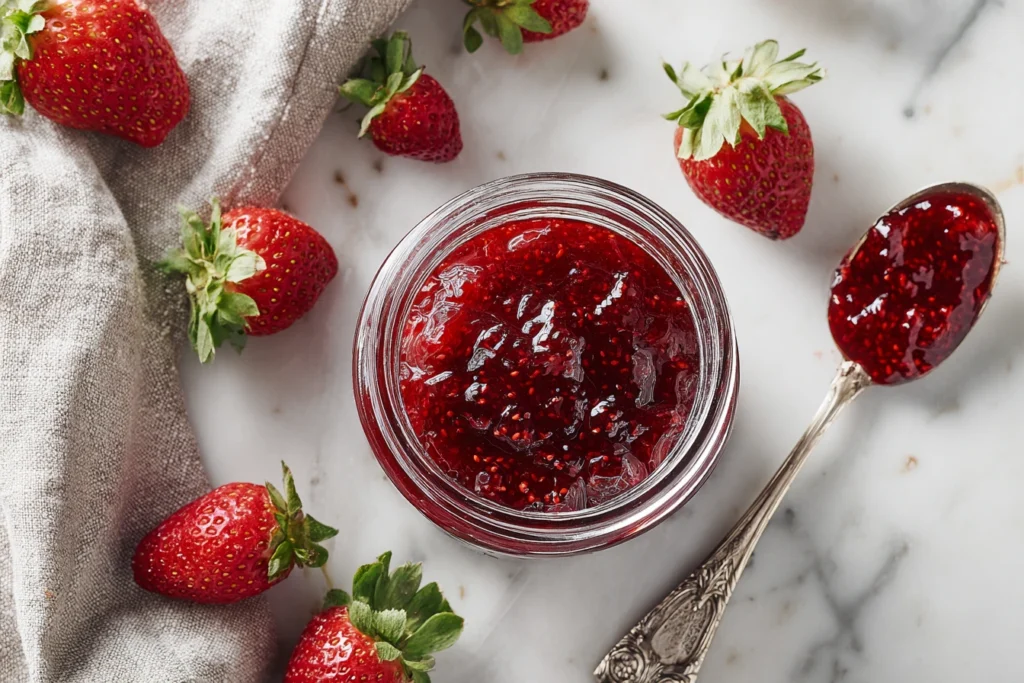
Strawberry Jam Without Pectin: A Traditional Homemade Recipe Worth Mastering

Homemade jam has a special place in the kitchen, especially when it is prepared using simple, time-honored methods. Making strawberry jam without pectin allows the natural flavor of fresh strawberries to take center stage while avoiding artificial thickeners. This approach relies on careful cooking, the right balance of sugar and acidity, and a bit of patience. The result is a jam that tastes fresher, richer, and more authentic than many commercial alternatives. This guide will walk you through every step of the process, from ingredient selection to storage tips, helping you achieve a perfect homemade jam with a smooth, spreadable texture and vibrant strawberry flavor. Why Make Jam Without Added Pectin? Traditional jam recipes existed long before commercial pectin became widely available. In those methods, fruit, sugar, and acid worked together naturally to create a thick preserve. Strawberry jam without pectin follows this classic technique, producing a softer and more luxurious texture that many people prefer. There are several reasons why this method remains popular: This style of jam is especially appealing for those who enjoy cooking from scratch and value simple, traditional preparations. How Jam Thickens Naturally To understand why strawberry jam without pectin works, it helps to know what causes jam to set. Three elements are essential: Strawberries are naturally low in pectin, so longer cooking and the addition of lemon juice are necessary. As the mixture simmers, water evaporates, sugars concentrate, and the jam thickens gradually. The final texture sets more firmly as it cools. Ingredients You Will Need The success of this recipe depends on ingredient quality more than quantity. Core Ingredients Optional Enhancements Each ingredient plays a specific role in achieving the ideal balance for strawberry jam without pectin. Selecting the Best Strawberries Choose strawberries that are fully ripe, bright red, and fragrant. Ripe berries provide natural sweetness and better flavor concentration. Avoid underripe strawberries, which lack sweetness, or overly soft berries, which can release excess water and affect consistency. High-quality fruit is the foundation of excellent strawberry jam without pectin, so seasonal, locally sourced strawberries often produce the best results. Step-by-Step Cooking Instructions Step 1: Prepare the Fruit Wash the strawberries thoroughly, remove the stems, and chop them into evenly sized pieces. Smaller pieces break down more easily during cooking. Step 2: Combine with Sugar Place the strawberries in a large bowl and mix with the sugar. Let the mixture rest for 30 to 45 minutes. This process draws out the juices and begins dissolving the sugar, which helps prevent crystallization during cooking. Step 3: Add Lemon Juice Stir in the lemon juice just before cooking. This step is essential for flavor balance and proper thickening. Step 4: Cook Slowly Transfer the mixture to a heavy-bottomed pot and cook over medium heat, stirring frequently until the sugar fully dissolves. Once boiling begins, reduce the heat slightly and allow the mixture to simmer uncovered. As it cooks, the mixture will foam and thicken. Stir regularly to prevent sticking or burning. This stage is crucial for developing the correct texture for strawberry jam without pectin. Step 5: Test for Set To test doneness, place a small spoonful of jam on a chilled plate. After a few seconds, push it gently with your finger. If it wrinkles and holds its shape, the jam is ready. Step 6: Jar and Cool Remove the pot from heat and allow the jam to rest briefly. Spoon into clean jars, leaving a small gap at the top. Seal and allow to cool completely at room temperature. What Texture to Expect Unlike commercial jams, strawberry jam without pectin has a softer, more natural consistency. It spreads easily but is not stiff or rubbery. The jam continues to thicken as it cools and reaches its final texture after several hours. This softer set is ideal for toast, pastries, yogurt, and baking. For an extra layer of richness, try our homemade pistachio paste, a smooth and flavorful recipe that elevates both desserts and sauces. Common Mistakes and How to Avoid Them Cooking Too Quickly High heat can cause burning and uneven thickening. Moderate heat ensures steady evaporation. Skipping Acid Without enough acidity, strawberry jam without pectin may remain runny. Under-Cooking Jam that appears thick while hot may loosen once cooled. Always perform a set test. Over-Cooking Excessive boiling can create a sticky or overly dense texture. If you enjoy light, crisp textures, our wafer cookies recipe is a delicate classic that pairs beautifully with jams and creams. Storage and Shelf Life Refrigeration Stored in an airtight container, the jam keeps well in the refrigerator for up to four weeks. Freezing Jam freezes successfully for several months. Leave room in containers for expansion. Pantry Storage When properly sealed using traditional canning methods, strawberry jam without pectin can be stored for up to one year in a cool, dark place. To enhance this recipe with a nutty twist, don’t miss our pistachio sauce, a creamy and versatile addition that brings depth and elegance to sweet creations Serving Ideas This jam pairs beautifully with many dishes: The pure fruit flavor of strawberry jam without pectin enhances both simple breakfasts and elegant desserts. Flavor Variations Once comfortable with the base recipe, try small variations: Each variation preserves the integrity of strawberry jam without pectin while offering subtle changes in flavor and texture. Nutritional Perspective Homemade jam contains real fruit and sugar with no artificial additives. While it should be enjoyed in moderation, strawberry jam without pectin provides natural antioxidants and vitamin C from fresh strawberries. Frequently Asked Questions Can you can strawberry jam without pectin? Yes, you can safely can strawberry jam without pectin as long as it contains enough sugar and acid and is processed correctly. Proper sealing and cleanliness are essential for safe storage. Can you make jam without pectin? Yes, jam can be made without pectin by cooking fruit with sugar and acid until it naturally thickens. The process relies on evaporation and concentration rather than added gelling agents. How do I thicken my

Strawberry Jam Without Pectin: A Traditional Homemade Recipe Worth Mastering Read More »

bariatric seed trick recipe

Bariatric Seed Trick Recipe: A Practical Fiber Ritual for Appetite Control and Digestive Balance

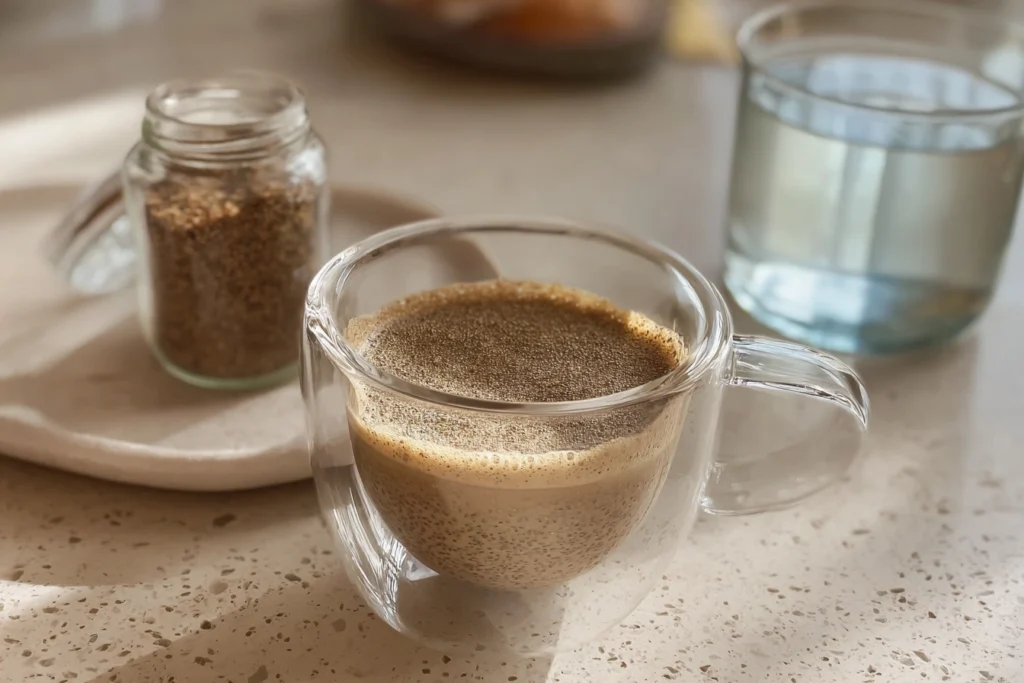
The bariatric seed trick recipe has become a popular wellness habit among people looking for a simple, natural way to support appetite control and digestion. Shared widely across social media and health communities, this seed-based preparation is often described as a morning ritual that helps people feel fuller for longer and make more mindful food choices throughout the day. Although the name may suggest a connection to bariatric surgery, the bariatric seed trick recipe does not replicate any surgical procedure. Instead, it reflects eating principles commonly recommended in bariatric-style nutrition: small portions, high fiber, nutrient density, and slow digestion. When used correctly, this recipe can be a helpful addition to a balanced lifestyle focused on long-term wellness rather than quick fixes. This article explores what the bariatric seed trick recipe is, how it works, how to prepare it properly, and how to use it safely and effectively. What Is the Bariatric Seed Trick Recipe? The bariatric seed trick recipe is a blend of fiber-rich seeds—most commonly chia seeds, flaxseed, and pumpkin seeds—prepared in a way that promotes fullness and digestive comfort. The seeds are usually ground or partially ground and mixed with water to form a gel-like drink consumed before meals, most often in the morning. The term “bariatric” is used because the recipe aligns with post-bariatric dietary strategies, such as emphasizing fiber, reducing portion sizes, and slowing gastric emptying. However, it is important to understand that the bariatric seed trick recipe does not change stomach size, metabolism, or hormones in the same way surgery does. Instead, it works through nutrition fundamentals that support satiety and mindful eating. Why the Bariatric Seed Trick Recipe Is So Popular Several factors explain the rapid rise of the bariatric seed trick recipe: Many people are drawn to the bariatric seed trick recipe because it feels manageable. Rather than eliminating foods or following rigid rules, this approach encourages starting the day with a nourishing ritual that supports better choices later on. How the Bariatric Seed Trick Recipe Works in the Body The benefits of the bariatric seed trick recipe are based on well-established nutritional mechanisms, especially the effects of fiber and healthy fats. Fiber and Fullness Chia seeds and flaxseed are rich in soluble fiber. When mixed with water, this fiber absorbs liquid and expands, forming a thick gel. This gel increases stomach volume temporarily, which helps signal fullness to the brain. As a result, many people feel satisfied sooner and experience fewer hunger cues between meals. Pumpkin seeds add both fiber and plant-based protein, enhancing the satiety effect of the bariatric seed trick recipe. Slower Digestion The gel-like consistency slows digestion and delays gastric emptying. This slower process contributes to sustained energy levels and reduces sudden hunger spikes. Blood Sugar Support Fiber slows carbohydrate absorption, helping stabilize blood sugar levels. Stable blood sugar is closely linked to reduced cravings and better appetite regulation. Nutrient Density Despite its small portion size, the bariatric seed trick recipe provides: This nutrient density is one reason the recipe aligns with bariatric-style nutrition principles. Classic Bariatric Seed Trick Recipe (Step by Step) Below is a standard version of the bariatric seed trick recipe suitable for daily use. Ingredients Preparation How to Use This method allows the seeds to expand fully, which is essential for the effectiveness of the bariatric seed trick recipe. If you enjoy gentle, herbal rituals, you may also appreciate this calming infusion that fits beautifully into a mindful daily routine. Variations of the Bariatric Seed Trick Recipe The bariatric seed trick recipe can be adapted to personal preferences without losing its core benefits. Warm Lemon Version Prepared with warm water and fresh lemon juice for a refreshing morning drink. Ginger-Infused Option Adding fresh ginger can enhance digestive comfort and flavor. Overnight Soak Soaking the seeds overnight creates a thicker, pudding-like texture. Savory Use The seed blend can also be sprinkled over yogurt, soups, or salads instead of being consumed as a drink. These variations help maintain consistency with the bariatric seed trick recipe over time. For another soothing and naturally vibrant option, this floral tea offers a refreshing way to support balance and relaxation. How Often Should You Use the Bariatric Seed Trick Recipe? Most people benefit from using the bariatric seed trick recipe once per day. Morning use is the most common, as it may help regulate appetite throughout the day. Beginners should start with one tablespoon per day to allow the digestive system to adapt to increased fiber intake. Safety and Best Practices While generally safe, the bariatric seed trick recipe should be used responsibly. Start Slowly Sudden increases in fiber can cause bloating or discomfort. Stay Hydrated Fiber absorbs water, so adequate hydration is essential. Grind Seeds Properly Ground seeds improve digestion and nutrient absorption. Watch Portions Seeds are calorie-dense; moderation matters. Medical Conditions Individuals with digestive disorders, seed allergies, or specific medical conditions should consult a professional before use. Those who enjoy warm, comforting drinks may want to explore this aromatic tea, perfect for cozy moments and digestive ease. What the Bariatric Seed Trick Recipe Is Not To avoid unrealistic expectations, it’s important to clarify that the bariatric seed trick recipe: It is a supportive tool, not a standalone solution. Integrating the Bariatric Seed Trick Recipe Into a Healthy Lifestyle For best results, combine the bariatric seed trick recipe with: Used this way, the recipe supports long-term habits rather than short-term results. Frequently Asked Questions What is the seed trick for weight loss? The seed trick for weight loss is a simple habit that involves consuming a small amount of fiber-rich seeds mixed with water. The seeds absorb liquid, expand in the stomach, and help promote fullness, which may reduce appetite and support mindful eating. What is the bariatric seed drink? The bariatric seed drink is a beverage made by mixing a tablespoon of a ground seed blend—usually chia seeds, flaxseed, and pumpkin seeds—with water. It is often consumed before breakfast to support satiety and digestion as part of a

Bariatric Seed Trick Recipe: A Practical Fiber Ritual for Appetite Control and Digestive Balance Read More »

lemon balm

Lemon Balm: A Fresh, Citrusy Herb for Refreshing Homemade Recipes

Lemon balm is a fragrant, lemon-scented herb that has quietly earned a place in both traditional kitchens and modern home cooking. Belonging to the mint family, lemon balm is loved for its soft citrus aroma, gentle sweetness, and versatility. Unlike sharp lemon juice or zest, lemon balm offers a rounded, aromatic lemon flavor that feels light, refreshing, and elegant. When used correctly, lemon balm transforms simple recipes into refined, memorable creations. This article explores lemon balm from a culinary point of view, with a strong focus on drinks and easy homemade recipes. From a honey lemon balm spritzer to syrups, teas, and creative serving ideas, you’ll learn how to use lemon balm in a practical, flavorful, and inspiring way. What Makes Lemon Balm Special in Cooking Lemon balm stands out among fresh herbs because of its balance. It has the brightness of lemon, the softness of mint, and a subtle floral note that makes it perfect for both sweet and savory dishes. Lemon balm does not overpower other ingredients. Instead, it enhances them gently, making it ideal for drinks, desserts, and light meals. Fresh lemon balm leaves are tender and aromatic. When crushed or lightly muddled, they release essential oils that instantly perfume a dish. This is why lemon balm works so well in cold infusions such as spritzers, lemonades, and iced teas. Heat can reduce its fragrance, so lemon balm is best added at the end of cooking or infused gently rather than boiled aggressively. Another reason lemon balm is popular is its accessibility. It grows easily in gardens and containers, producing abundant leaves throughout the season. A small plant can supply enough lemon balm for many recipes, making it both economical and rewarding. How to Prepare Lemon Balm for Recipes Before using lemon balm, proper preparation makes a noticeable difference in flavor. Honey Lemon Balm Spritzer: The Star Recipe One of the most refreshing ways to enjoy lemon balm is in a honey lemon balm spritzer. This drink is light, fragrant, naturally sweetened, and perfect for warm weather. It works beautifully as a non-alcoholic beverage or as a base for a refined cocktail. Ingredients Optional additions: Instructions This honey lemonn balm spritzer highlights everything that makes lemon balmm special: freshness, aroma, and balance. The honey rounds out the citrus, while the lemon ballm adds an herbal note that feels elegant and soothing. Lemon Balm Simple Syrup for Drinks and Desserts Lemonn balm simple syrup is one of the most useful preparations you can make. It stores well, concentrates flavor, and can be used in countless recipes. Ingredients Instructions Lemon balm syrup is perfect for sweetening iced tea, cocktails, lemonade, yogurt, fruit salads, or even drizzling over cakes. For readers exploring gentle, natural approaches to balance and wellness, you may also enjoy discovering this carefully crafted natural recipe. Lemon Balm Iced Tea: A Calming Classic Lemonn balm iced tea is caffeine-free, refreshing, and ideal for everyday hydration. Its mild lemon flavor makes it enjoyable even without sweeteners. Ingredients Instructions This lemon ballm tea can also be enjoyed warm, making it a year-round staple. Lemon Balm Lemonade with a Herbal Twist Lemon balm lemonade offers a softer, more aromatic version of traditional lemonade. It’s perfect for serving guests who enjoy subtle, natural flavors. To prepare it, infuse lemon balm into a simple syrup, then combine it with lemon juice and cold water. The result is a lemonade that feels refined rather than sharp, with lemon balm providing depth and fragrance. If you’re interested in refreshing drinks designed to support daily well-being, this soothing cocktail is another option worth exploring. Creative Ways to Use Lemon Balm in the Kitchen Lemon ballm is not limited to drinks. With a little imagination, it can be used in many dishes. The key is to use lemon ballm gently. Its charm lies in its subtlety. Those who appreciate simple herbal preparations may also find this classic tea recipe a comforting addition to their routine. Flavor Pairings That Work Beautifully with Lemon Balm Lemon ballm pairs well with many ingredients, especially those that enhance its citrus profile: These combinations allow lemonn balm to shine without overpowering the dish. Storing and Preserving Lemon Balm Fresh lemonn balm can be stored in the refrigerator wrapped loosely in a damp paper towel for several days. For longer storage, lemon baalm can be dried or frozen. To dry lemon balm, hang small bundles in a shaded, well-ventilated area. Once dry, crumble the leaves and store them in an airtight container. While dried lemon ballm loses some aroma, it remains excellent for teas. Freezing lemon baalm in ice cube trays with water or syrup is another excellent option, especially for drinks. Frequently Asked Questions What is the lemon balm recipe for weight loss?A simple lemon balm drink for weight management is made by steeping fresh lemon balm leaves in hot water, then drinking it warm or cold before meals. It’s often combined with lemon juice or a small amount of honey to support hydration and mindful eating. Does lemon balm help lose belly fat?Lemon balm does not directly burn belly fat. However, it may support weight goals indirectly by helping reduce stress, improving digestion, and limiting emotional or stress-related eating. Is lemon balm like Ozempic?No. Lemon balm is a natural herb and does not work like Ozempic. Ozempic affects hormones that regulate appetite and blood sugar, while lemon balm only offers mild supportive effects such as calming cravings or stress. How to make a lemon balm drink?To make a basic lemon balm drink, steep a handful of fresh lemon balm leaves in hot water for 5–10 minutes, strain, and enjoy warm or chilled. You can add lemon slices or a teaspoon of honey for flavor. benefits Lemon baalm is appreciated not only for its refreshing flavor but also for its gentle wellness benefits. Often used in calming herbal preparations, lemon baalm may help promote relaxation and emotional balance, making it a popular choice for evening drinks. Its soothing nature can

Lemon Balm: A Fresh, Citrusy Herb for Refreshing Homemade Recipes Read More »