diamondmeals.com

drsoukainaelaziz@gmail.com

Keto Taco Casserole

Easy Keto Taco Casserole Recipe – Cheesy Low-Carb Mexican Dinner

If you enjoy the bold flavors of tacos but want to keep your meals low in carbohydrates, Keto Taco Casserole is a fantastic option. This comforting dish combines seasoned meat, creamy ingredients, and melted cheese into a hearty baked meal that fits perfectly into a ketogenic lifestyle. Instead of tortillas or taco shells, the casserole transforms classic taco ingredients into a rich and satisfying oven-baked dinner. Many people following a keto diet look for meals that are flavorful and filling while still being easy to prepare. This recipe offers exactly that. The savory combination of spices, meat, and cheese creates a dish that tastes indulgent without relying on high-carb ingredients. Another advantage of this casserole is its simplicity. The preparation requires basic ingredients and minimal cooking skills, making it perfect for busy weeknights. Whether you are cooking for family or planning meals ahead for the week, Keto Taco Casserole is a practical and delicious solution. What Is Keto Taco Casserole? A Keto Taco Casserole is a low-carbohydrate baked dish inspired by traditional taco fillings. Instead of placing the ingredients in tortillas, everything is combined in a baking dish and cooked together until warm, creamy, and cheesy. The base usually includes seasoned ground meat cooked with onions, garlic, and taco spices. Creamy elements such as cream cheese or sour cream are added to create a smooth texture, while shredded cheese melts on top to form a golden layer. Because it removes tortillas, beans, and rice, the dish remains low in carbohydrates while still delivering the familiar taste of taco night. The balance of protein and healthy fats makes it particularly suitable for ketogenic diets. Many people enjoy preparing this recipe because it offers the comforting flavors of Mexican-inspired cuisine in a simple and practical format. Why This Keto Taco Casserole Is So Popular There are several reasons why Keto Taco Casserole has become a favorite among low-carb home cooks. Low in Carbohydrates Traditional taco meals often include ingredients that are high in carbs. By removing tortillas and focusing on meat, spices, and cheese, the casserole becomes much more compatible with keto eating plans. Quick and Easy Preparation The recipe can usually be completed in less than forty minutes. This makes it an excellent choice for evenings when you need a satisfying meal without spending hours in the kitchen. Family-Friendly Flavor The combination of seasoned beef, melted cheese, and creamy ingredients creates a dish that appeals to many different tastes. Even people who are not following a low-carb diet usually enjoy it. Perfect for Meal Prep Another reason cooks appreciate Keto Taco Casserole is that it reheats well. A single batch can provide multiple meals during the week. Ingredients You’ll Need To Make Keto Taco Casserole To prepare this flavorful casserole, you only need a handful of simple ingredients. Main Ingredients These ingredients create the savory and creamy base that defines this recipe. Optional Garnishes To add extra freshness and texture, you may also serve the casserole with: These toppings can be added after baking to enhance both flavor and presentation. Equipment Needed Another benefit of this recipe is that it requires only a few kitchen tools. You will need: With these basic items, preparing a homemade casserole becomes quick and convenient. Step-by-Step Instructions Follow these steps to create a delicious Keto Taco Casserole at home. Step 1: Prepare the Oven Preheat the oven to 350°F (175°C). Lightly grease a baking dish to prevent the casserole from sticking during baking. Step 2: Cook the Aromatics Heat olive oil in a large skillet over medium heat. Add the diced onion and jalapeño and cook until softened. Stir occasionally so the vegetables cook evenly. After a few minutes, add the minced garlic and cook briefly until fragrant. Step 3: Brown the Ground Beef Add the ground beef to the skillet. Break it apart with a spoon while it cooks until the meat is fully browned. If the beef releases excess grease, drain it before continuing. Step 4: Add the Seasonings Sprinkle the taco seasoning over the beef mixture. Stir well to coat the meat evenly with the spices. Next, add the diced tomatoes with green chilies and allow the mixture to simmer for several minutes so the flavors combine. Step 5: Incorporate the Cream Cheese Cut the cream cheese into small pieces and add it to the skillet. Stir gently until the cheese melts completely and blends into the meat mixture. This step gives the casserole its signature creamy texture. Step 6: Assemble the Dish Transfer the meat mixture into the prepared baking dish and spread it evenly. Add the sour cream on top and smooth it across the surface. Sprinkle the shredded cheddar cheese evenly over the casserole. Step 7: Bake Place the dish in the oven and bake for 20 to 25 minutes until the cheese melts and becomes slightly golden. Allow the casserole to rest for a few minutes before serving so it can set properly. Nutritional Information Of Keto Taco Casserole The exact nutritional values may vary depending on ingredients, but an average serving of Keto Taco Casserole contains approximately: These numbers make the dish well suited for ketogenic or low-carb meal plans. If you’d like a delicious low-carb alternative to traditional tortillas, you might also enjoy our homemade almond flour tortillas recipe. Helpful Cooking Tips Here are a few tips to help ensure your casserole turns out perfectly. Use Freshly Shredded Cheese Cheese grated directly from a block melts more smoothly than pre-packaged shredded cheese. Season to Taste Adjust the amount of taco seasoning depending on your spice preference. Let It Rest Before Serving Allowing the dish to sit for several minutes after baking helps the layers firm up, making it easier to serve. Choose Quality Meat Using good-quality ground beef improves both flavor and texture. For seafood lovers looking to elevate their dinner menu, take a moment to explore our flavorful snow crab legs guide. Easy Recipe Variations One reason many cooks love this dish is its

Easy Keto Taco Casserole Recipe – Cheesy Low-Carb Mexican Dinner Read More »

Panang Curry

4 Incredible Panang Curry Secrets for a Rich & Creamy Thai Dish

Panang Curry is one of the most popular dishes in Thai cuisine. Known for its creamy coconut base, aromatic spices, and balanced sweet-savory taste, this dish offers a rich and comforting experience. Many people appreciate it because it is flavorful without being extremely spicy. This classic Thai recipe combines curry paste, coconut milk, lime leaves, and a protein such as chicken, beef, or tofu. The ingredients cook together to create a thick and fragrant sauce that coats every bite. Because of its smooth texture and complex flavors, it has become a favorite in Thai restaurants and home kitchens around the world. Preparing Panang Curry at home is easier than many people expect. With the right ingredients and a few simple cooking techniques, you can create a dish that tastes just as satisfying as one served in a restaurant. What Makes Panang Curry Unique Among Thai dishes, Panang Curry stands out because of its thick consistency and balanced flavor profile. Unlike some other Thai curries that are more soup-like, this one is richer and slightly sweeter. The distinctive flavor comes from a combination of coconut milk, curry paste, and aromatic herbs. These ingredients work together to create a sauce that is creamy, fragrant, and comforting. Another feature that makes this dish special is the gentle balance between sweetness and saltiness. Palm sugar adds a mild sweetness, while fish sauce contributes depth and umami. Because of this harmonious combination of flavors, Panang Curry is often considered one of the most approachable Thai dishes for people who are new to Thai cuisine. Key Ingredients That Create the Flavor A successful curry begins with high-quality ingredients. Each component contributes to the unique taste and aroma of the dish. Curry Paste The paste is the heart of the recipe. It usually contains a mixture of: These ingredients are blended together to create a fragrant base that defines the flavor of the curry. Coconut Milk Coconut milk gives the dish its signature creamy texture. Using full-fat coconut milk creates a rich sauce that balances the spice of the curry paste. Makrut Lime Leaves These aromatic leaves add a fresh citrus fragrance that enhances the overall flavor. Fish Sauce Fish sauce contributes a savory depth that is essential in many Thai dishes. Palm Sugar Palm sugar provides gentle sweetness and helps balance the salty and spicy elements. Protein Many versions include: Each option creates a slightly different texture while keeping the same rich curry flavor. How to Make Panang Curry at Home Cooking this Thai classic requires only a few steps. Once the ingredients are prepared, the dish comes together quickly. Servings 4 portions Preparation time 15 minutes Cooking time 15 minutes Ingredients Step-by-Step Cooking Instructions 1. Heat the Oil Begin by heating vegetable oil in a wok or large pan over medium heat. Once the oil is hot, add the curry paste and cook it for about one minute while stirring constantly. Cooking the paste first allows the spices to release their aroma and develop deeper flavor. 2. Add Coconut Milk Pour in about half of the coconut milk and stir until the paste dissolves into a smooth sauce. Allow the mixture to simmer gently until it begins to thicken. 3. Cook the Protein Add the sliced chicken or tofu and stir so it becomes coated in the sauce. Let it cook for several minutes until partially cooked. 4. Season the Curry Add the remaining coconut milk, fish sauce, and palm sugar. Stir well and allow the mixture to simmer. At this stage, the sauce should become fragrant and creamy. 5. Add Vegetables Add bell peppers, onions, and lime leaves. Cook for two to three minutes until the vegetables become tender but still slightly crisp. 6. Serve the Dish Remove the pan from the heat and garnish with fresh basil if desired. Serve the curry hot with jasmine rice. Tips for the Best Panang Curry A few simple techniques can greatly improve the final result. Use good coconut milk Full-fat coconut milk produces a richer sauce. Cook the paste properly Frying the paste briefly in oil enhances its aroma and depth. Balance the seasoning Taste the sauce and adjust sweetness or saltiness as needed. Slice meat thinly Thin slices cook faster and absorb the curry flavor better. If you enjoy rich umami flavors, you might also love our miso glazed eggplant, a delicious plant-based dish packed with deep savory notes Popular Variations One of the reasons this Thai dish is so popular is that it can be adapted in many ways. Chicken Version Chicken is one of the most common choices because it absorbs the sauce well and stays tender. Beef Version Thin slices of beef can also be simmered in the sauce to create a richer dish. Vegetarian Option For a plant-based meal, tofu or vegetables can replace meat. Mushrooms, eggplant, and broccoli work especially well. Seafood Variation Shrimp or scallops create a lighter yet flavorful alternative. For another comforting Asian-inspired meal, don’t miss our flavorful miso salmon, where tender fish meets a perfectly balanced miso glaze What to Serve with Panang Curry The creamy sauce pairs best with simple side dishes that help balance its richness. Jasmine Rice This classic pairing absorbs the flavorful sauce and completes the meal. Coconut Rice Coconut rice enhances the aroma and richness of the curry. Fresh Cucumber Salad A refreshing salad provides contrast to the warm and creamy dish. Steamed Vegetables Green vegetables add color and freshness to the plate. And if you’re in the mood for a warm and satisfying bowl, our homemade miso ramen is a must-try for lovers of rich and aromatic noodle soups Why This Thai Dish Is So Loved Many people enjoy this curry because it offers bold flavor without overwhelming heat. The creamy coconut base makes it comforting, while the spices create depth and complexity. Another reason for its popularity is versatility. It can be adapted with different proteins, vegetables, or spice levels depending on personal taste. The dish is also

4 Incredible Panang Curry Secrets for a Rich & Creamy Thai Dish Read More »

Miso Glazed Eggplant

5 Easy Steps to Make the Best Miso Glazed Eggplant at Home

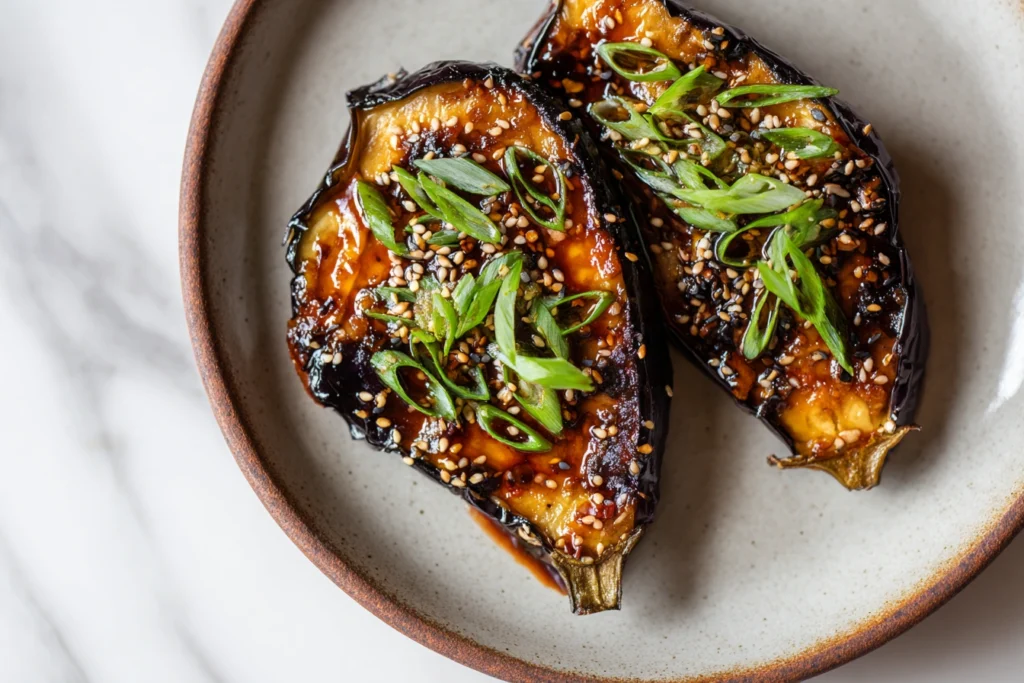
Few vegetable dishes deliver as much flavor with so little effort as Miso Glazed Eggplant. This Japanese-inspired recipe transforms simple eggplant into a rich and satisfying dish coated with a glossy miso glaze that balances sweet, salty, and savory flavors. The beauty of Miso Glazed Eggplant lies in its simplicity. Eggplants are roasted until soft and creamy, then brushed with a sweet miso sauce that caramelizes beautifully under high heat. The result is a dish with a silky texture, deep umami flavor, and a slightly smoky aroma. This dish is commonly served in Japanese cuisine as a small plate or side dish, but it is also hearty enough to enjoy as a light vegetarian main course. Because it requires only a few ingredients and minimal preparation time, Miso Glazed Eggplant is perfect for both everyday cooking and elegant meals. In this article, you will learn how to prepare perfect Miso Glazed Eggplant, understand the ingredients that make it special, and discover tips that ensure a delicious result every time. What Is Miso Glazed Eggplant? Miso Glazed Eggplant is a dish inspired by a traditional Japanese preparation in which eggplant is cooked and topped with a flavorful miso sauce. The eggplant is typically sliced in half, scored on the surface, and roasted or grilled until tender. Once softened, the eggplant is coated with a thick glaze made from miso paste and other seasonings. The dish is then broiled briefly so the glaze caramelizes and forms a slightly sticky surface. The flavor profile of Miso Glazed Eggplant is a perfect balance of: Because eggplant has a naturally creamy texture when cooked, it absorbs the glaze exceptionally well, making each bite rich and flavorful. Why This Miso Glazed Eggplant Recipe Is So Popular Many people love Miso Glazed Eggplant because it delivers bold flavor while remaining easy to prepare. Rich Umami Taste Miso paste is known for its intense savory flavor. When used in this recipe, it creates a glaze that enhances the natural sweetness of roasted eggplant. Simple Ingredients The ingredients required for Miso Glazed Eggplant are minimal and widely available, making the recipe accessible to home cooks everywhere. Naturally Plant-Based This dish is entirely vegetarian and fits well into vegan diets without requiring substitutions. Quick Cooking Time Most versions of Miso Glazed Eggplant can be prepared in about thirty minutes from start to finish. Elegant Presentation The scored surface of the eggplant absorbs the glaze and creates a beautiful pattern after roasting. Ingredients for Miso Glazed Eggplant The ingredients used in Miso Glazed Eggplant are simple but carefully balanced to create the signature flavor. Eggplant Japanese eggplants are often preferred because they have thin skin and a mild flavor. Miso Glaze This glaze is the defining element of Miso Glazed Eggplant, combining sweet and savory ingredients into a thick sauce that caramelizes during cooking. Choosing the Best Eggplant The quality of the eggplant plays an important role in the success of Miso Glazed Eggplant. When selecting eggplants, look for: Smaller eggplants are usually sweeter and contain fewer seeds. Japanese eggplants are especially suitable because they cook quickly and become very tender. If you cannot find Japanese eggplants, regular globe eggplants can also work well in Miso Glazed Eggplant when sliced into smaller portions. How to Make Miso Glazed Eggplant Preparing Miso Glazed Eggplant is straightforward and requires only a few simple steps. Step 1: Prepare the Eggplant Preheat your oven to 220°C (425°F). Trim the stems from the eggplants and slice them lengthwise. Using a sharp knife, score the flesh in a crosshatch pattern without cutting through the skin. This helps the eggplant cook evenly and absorb the glaze more effectively. Some cooks prefer to soak the eggplant halves in water for about ten minutes to remove bitterness. After soaking, dry them thoroughly before cooking. Step 2: Prepare the Miso Glaze In a small bowl, combine: Mix the ingredients until they form a smooth paste. This glaze provides the distinctive flavor of Miso Glazed Eggplant, combining sweetness with deep savory notes. Step 3: Roast the Eggplant Brush the cut sides of the eggplants with sesame oil. Place them cut side down on a baking sheet lined with parchment paper. Roast for about 15 minutes until the eggplant becomes soft and tender. At this stage the eggplant should be slightly golden and creamy inside. Step 4: Apply the Glaze Remove the eggplants from the oven and turn them cut side up. Spread a generous amount of miso glaze across each piece. Return the tray to the oven and switch to the broiler setting. Cook for 3 to 5 minutes until the glaze begins to bubble and caramelize. This final step gives Miso Glazed Eggplant its characteristic glossy appearance and deep flavor. Step 5: Garnish and Serve After broiling, remove the eggplants from the oven and garnish with sesame seeds and sliced green onions. Serve immediately while warm so the texture remains soft and creamy. Tips for Perfect Miso Glazed Eggplant A few small techniques can make a big difference when preparing Miso Glazed Eggplant. Score the Eggplant Properly The crosshatch cuts allow the glaze to penetrate deeper into the flesh. Use White Miso White miso has a mild sweetness that complements the eggplant perfectly. Don’t Overcook Eggplant should be tender but still hold its shape. Broil Carefully Watch the eggplant during the broiling step to prevent the glaze from burning. If you enjoy deep umami flavors, you might also love our delicious miso salmon recipe, which pairs beautifully with Japanese-inspired dishes. Flavor Variations One of the great advantages of Miso Glazed Eggplant is how easily it can be customized. Spicy Version Add chili paste or chili flakes to the miso glaze for a touch of heat. Garlic Miso Eggplant Mix minced garlic into the glaze to create a stronger savory flavor. Maple Miso Eggplant Replace the sugar with maple syrup for a deeper sweetness. Ginger Miso Eggplant Fresh grated ginger adds brightness and complexity to the dish. For a comforting plant-based

5 Easy Steps to Make the Best Miso Glazed Eggplant at Home Read More »

miso ramen

Authentic Miso Ramen Recipe: 7 Easy Steps to Make the Best Japanese Comfort Bowl

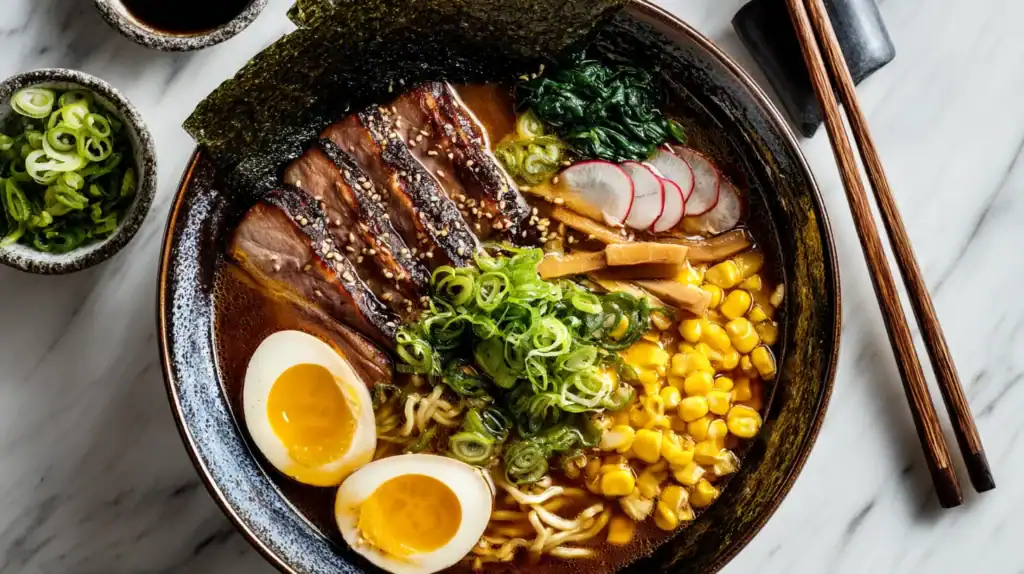
Few dishes represent the comforting side of Japanese cuisine as perfectly as miso ramen. This hearty noodle soup combines springy ramen noodles, a deeply savory broth, and a variety of delicious toppings. Warm, aromatic, and satisfying, this dish has become one of the most beloved styles of ramen both in Japan and around the world. Unlike lighter ramen soups, miso ramen is known for its rich and robust flavor. The broth is seasoned with fermented soybean paste, which gives the soup its signature umami taste and creamy depth. Because of this unique flavor profile, many ramen enthusiasts consider it one of the most satisfying noodle dishes ever created. In this guide, you will learn everything about miso ramen, including its origins, ingredients, and a step-by-step recipe that allows you to recreate this comforting bowl at home. The Origins of Miso Ramen While ramen itself has a long history in Japan, the miso-based variation is relatively modern. The dish was first developed in Sapporo, the capital of Japan’s northern island of Hokkaido. Hokkaido is known for its cold winters, which encouraged chefs to create a richer, more filling style of ramen. By adding miso paste to the broth, cooks developed a soup that was thicker and more satisfying than traditional soy-based ramen. Over time, the popularity of miso ramen spread across Japan. Today it is considered one of the four major ramen styles, alongside soy sauce ramen, salt ramen, and pork bone ramen. Because of its rich flavor and comforting warmth, it has become a favorite choice for ramen lovers everywhere. Why Miso Ramen Is So Popular There are several reasons why this dish has gained international popularity. Rich and Deep Flavor Miso paste contains natural compounds that enhance savory flavors, creating a broth full of umami. Hearty and Filling Compared with lighter ramen soups, the broth is thicker and more robust. Highly Customizable The dish can be adapted with different proteins, vegetables, and toppings. Perfect Comfort Food A hot bowl of ramen is both nourishing and satisfying, making it ideal for cold weather or cozy meals. These qualities make miso ramen one of the most appealing noodle soups in Japanese cuisine. Ingredients for Homemade Miso Ramen Making this dish at home requires simple ingredients that are easy to find. Broth Ingredients These ingredients create the flavorful base used in traditional miso ramen. Noodles Fresh noodles give the best texture, but dried ramen noodles also work well. Traditional Toppings Common toppings include: Each topping adds a new layer of texture and flavor to the bowl. Step-by-Step Miso Ramen Recipe This recipe makes two generous servings. Step 1: Prepare the Aromatics Heat sesame oil in a medium pot over medium heat. Add minced garlic and grated ginger. Cook for about one minute until fragrant. These aromatics create the first layer of flavor in the broth. Step 2: Cook the Meet Add ground meet to the pot and cook until browned. Break the meat into small pieces as it cooks. The meet releases flavorful juices that enrich the broth. If you enjoy spicy food, add chili paste at this stage. Step 3: Add the Miso Paste Reduce the heat slightly and stir in the miso paste. Mix it carefully with the pork mixture until it dissolves evenly. This step is essential for developing the deep flavor that characterizes miso ramen. Avoid cooking the miso over very high heat to preserve its taste. Step 4: Add the Broth Pour the chicken or meetstock into the pot. Add soy sauce and stir well. Allow the soup to simmer gently for about 10 to 15 minutes so the flavors combine. The broth should become rich, fragrant, and slightly creamy. Step 5: Cook the Noodles Bring a separate pot of water to a boil. Add the ramen noodles and cook them according to the package instructions. Fresh noodles typically cook very quickly. Drain them well so they do not dilute the soup. Step 6: Assemble the Bowl Divide the noodles into serving bowls. Pour the hot broth over the noodles, ensuring each bowl receives some of the meet mixture. Top your bowl with: Serve immediately while the soup is hot. How to Make Ramen Eggs Soft-boiled eggs are one of the most popular toppings for ramen. To prepare them: The result is a creamy egg that pairs perfectly with miso ramen. If you enjoy rich and comforting flavors, you might also love our White Beans with Onion Confit recipe, which brings together simple ingredients in a deeply satisfying dish. Popular Toppings for This Dish One of the best aspects of ramen is the ability to customize toppings. Popular additions include: In Hokkaido, corn and butter are often added to create a richer version of the soup. For another delicious way to enjoy miso in your cooking, be sure to try our flavorful Miso Salmon recipe, a perfect balance of savory and umami. Tips for the Best Homemade Miso Ramen Choose the Right Miso Different types of miso create different flavors. White miso is milder and slightly sweet, while red miso has a stronger taste. Combining the two varieties often creates the most balanced broth. Use a Flavorful Broth The broth is the foundation of the dish. A well-prepared stock will greatly improve the final result. Avoid Overcooking the Noodle Ramen noodles should remain slightly firm so they maintain their texture in hot soup. Add Aromatic Oils A drizzle of sesame oil or chili oil can enhance the aroma and complexity of the broth. Looking for a classic and comforting side dish? Our Potato O’Brien recipe is a wonderful choice, featuring crispy potatoes with colorful peppers and onions. Variations of Miso Ramen Many creative variations of miso ramen exist today. Spicy VersionPrepared with chili paste or chili oil for extra heat. Butter Corn StyleA specialty of northern Japan featuring sweet corn and butter. Vegetarian VersionMade with vegetable broth and mushrooms instead of meat. Seafood VersionIncludes shrimp or seafood broth for a coastal flavor. These variations demonstrate the

Authentic Miso Ramen Recipe: 7 Easy Steps to Make the Best Japanese Comfort Bowl Read More »

Miso Salmon

Miso Salmon Recipe: 7 Easy Steps for Perfect Sweet & Savory Japanese Salmon

If you are looking for a simple yet flavorful seafood recipe, Miso Salmon is an excellent choice. This Japanese-inspired dish combines tender salmon fillets with a rich miso-based marinade that delivers a perfect balance of sweet, savory, and umami flavors. The result is a beautifully glazed fish that feels both comforting and sophisticated. One of the reasons many people love Miso Salmon is its simplicity. With only a few pantry ingredients and minimal preparation time, you can create a dish that tastes like it came from a high-end restaurant. Whether baked, broiled, or grilled, the marinade caramelizes during cooking and enhances the natural richness of the salmon. This recipe is ideal for busy weeknights, but it is also elegant enough to serve when entertaining guests. Once you learn how easy it is to prepare Miso Salmon, it may quickly become one of your favorite seafood dishes. What Is Miso Salmon? Miso Salmon is a Japanese-inspired dish made by marinating fresh salmon fillets in a mixture containing miso paste, soy sauce, mirin, and other flavor-enhancing ingredients. The fish is then cooked until tender and slightly caramelized. The key ingredient in this recipe is miso paste. Miso is a fermented soybean paste widely used in Japanese cooking. It has a deep savory flavor known as umami, which enhances many dishes. When used in Miso Salmon, miso creates a thick glaze that coats the fish and adds complexity to the flavor. The fermentation process also contributes subtle sweetness and depth, making the dish both rich and balanced. Because salmon naturally contains healthy fats and a buttery texture, it pairs perfectly with the salty and slightly sweet miso marinade. Why This Miso Salmon Recipe Is So Popular There are several reasons why this dish has become popular in home kitchens around the world. Simple ingredients Most versions of Miso Salmon use ingredients that are easy to find and simple to combine. Quick cooking time Salmon cooks quickly, making this recipe perfect for busy schedules. Balanced flavor The combination of miso, soy sauce, and mirin creates a glaze that is both savory and slightly sweet. Elegant presentation When cooked properly, the glaze forms a beautiful caramelized coating that makes the fish look restaurant-quality. Nutritious meal Salmon is rich in omega-3 fatty acids, protein, and important vitamins. These qualities make Miso Salmon a favorite choice for both beginners and experienced cooks. Ingredients for Miso Salmon This recipe uses simple ingredients that work together to create a flavorful marinade. For the salmon For the marinade Optional garnish White miso is typically used because it has a mild flavor that complements the fish without overpowering it. How to Make Miso Salmon Preparing Miso Salmon is very straightforward and requires only a few steps. Step 1: Prepare the marinade In a small bowl, combine the miso paste, soy sauce, mirin, sake, honey, and sesame oil. Whisk the ingredients together until smooth. The mixture should be thick but spreadable. This marinade will coat the fish and provide the signature flavor of the dish. Step 2: Prepare the salmon Pat the salmon fillets dry with paper towels. This step helps the marinade adhere to the fish. Check the fillets for small bones and remove them if necessary. Place the salmon in a shallow dish or container. Step 3: Marinate the salmon Spread the marinade evenly over the fillets, making sure the surface of each piece is well coated. Cover the dish and refrigerate for about 30 minutes to 2 hours. This allows the flavors to penetrate the fish while maintaining a balanced taste. Step 4: Preheat the oven Preheat your oven to 400°F (200°C). Line a baking sheet with parchment paper or foil to prevent sticking and simplify cleanup. Step 5: Bake the salmon Remove the salmon from the marinade and gently scrape off excess sauce. Place the fillets skin-side down on the baking sheet. Bake the Miso Salmon for about 10 to 12 minutes, depending on the thickness of the fish. For a lightly caramelized finish, switch to the broiler during the final minute of cooking. Step 6: Garnish and serve Once cooked, remove the salmon from the oven and let it rest briefly. Sprinkle sesame seeds and sliced green onions over the fish for extra flavor and visual appeal. Serve warm with your favorite side dishes. Tips for Perfect Miso Salmon To achieve the best results, consider these helpful tips. Choose fresh salmon Fresh salmon produces the best flavor and texture. Use white miso paste White miso provides a gentle sweetness that pairs well with salmon. Avoid excess marinade Too much marinade can burn during cooking because miso contains natural sugars. Cook just until done Salmon should remain moist and flaky. Overcooking may cause dryness. Finish with a quick broil Broiling briefly helps caramelize the glaze and intensify the flavor. Following these tips will help you prepare delicious Miso Salmon every time. Variations of Miso Salmon This recipe can easily be adapted to create different flavor profiles. Honey glaze version Adding extra honey creates a sweeter and slightly caramelized coating. Garlic and ginger version Mixing grated ginger and minced garlic into the marinade adds warmth and fragrance. Spicy version Chili paste or chili flakes can add a gentle heat to the dish. Air fryer version Cooking the fish in an air fryer provides a quick alternative while still delivering excellent texture. These variations allow you to personalize the flavor of your Miso Salmon while keeping the recipe simple. What to Serve with Miso Salmon This dish pairs beautifully with many side dishes. Steamed rice Rice balances the savory marinade and completes the meal. Roasted vegetables Broccoli, asparagus, potatos or carrots add freshness and color. Looking for a classic and hearty side? Our Potato O’Brien recipe is a perfect choice, combining crispy potatoes with vibrant peppers and savory seasonings. If you enjoy bold and aromatic flavors, don’t miss our Dopiazeh Aloo, a delicious Persian-style potato dish that brings warmth and depth to any meal. Noodles Serving the fish over

Miso Salmon Recipe: 7 Easy Steps for Perfect Sweet & Savory Japanese Salmon Read More »

White Beans Onion Confit

White Beans Onion Confit: 7 Simple Secrets for the Best Mediterranean Bean Dish

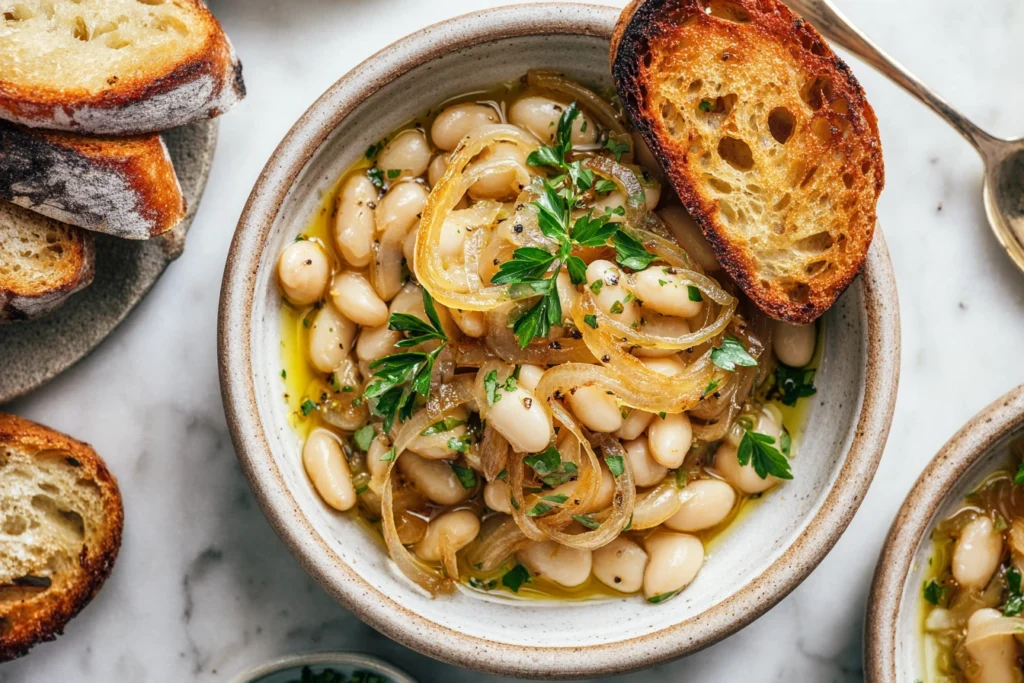
White Beans Onion Confit is a comforting and flavorful dish that transforms simple ingredients into a rich and satisfying meal. Creamy white beans are combined with sweet caramelized onions, fragrant herbs, and olive oil to create a rustic recipe that feels both nourishing and elegant. Many traditional Mediterranean recipes focus on elevating humble ingredients through slow cooking and thoughtful seasoning. In this dish, onions are slowly cooked until they become soft and golden, developing a deep sweetness that blends beautifully with tender beans. The result is a dish that is simple yet full of flavor. Whether served as a vegetarian main course, a hearty side dish, or even as a topping for toasted bread, White Beans Onion Confit is a recipe that delivers warmth and comfort in every bite. What Is White Beans Onion Confit? White Beans Onion Confit is a rustic bean preparation where tender white beans are simmered with slow-cooked onions, garlic, herbs, and olive oil. The onions are gently caramelized until they become silky and sweet, creating the base of the dish. The term confit refers to cooking ingredients slowly in fat or oil in order to intensify flavor and texture. While the technique is commonly used with meats, vegetables such as onions can also be cooked in this way. The onion confit becomes soft, aromatic, and slightly sweet, forming a rich sauce for the beans. When prepared properly, White Beans Onion Confit develops a creamy texture and deep savory taste. The combination of beans and onion confit creates a comforting dish that is both rustic and refined. Why You’ll Love White Beans Onion Confit There are many reasons why White Beans Onion Confit has become a favorite in many kitchens. Simple Ingredients This dish relies on basic pantry staples such as beans, onions, garlic, olive oil, and herbs. Despite the simplicity of the ingredients, the slow cooking process creates remarkable flavor. Rich Flavor The onions are cooked slowly until they release their natural sweetness. This caramelized onion confit coats the beans with a silky and aromatic sauce. Nutritious and Filling White beans are an excellent source of plant-based protein and dietary fiber, making this dish both satisfying and nourishing. Versatile Dish White Beans Onion Confit can be served as a main vegetarian meal, a side dish for grilled foods, or even as a topping for crusty bread. Ingredients for White Beans Onion Confit The beauty of this recipe lies in its simplicity. Only a handful of ingredients are needed to prepare White Beans Onion Confit. Main Ingredients These ingredients combine to produce the deep flavor and creamy texture that make White Beans Onion Confit so satisfying. How to Make White Beans Onion Confit Preparing this dish is simple and requires only a few steps. Step 1: Heat the Olive Oil Place a large skillet or saucepan over medium heat. Add the olive oil and allow it to warm gently. The olive oil forms the base of the onion confit and helps carry the flavors throughout the dish. Step 2: Cook the Onions and Garlic Add the sliced onions, garlic, rosemary, and red pepper flakes to the pan. Season with salt and black pepper. Cover the pan and cook for about five minutes, stirring occasionally, until the onions begin to soften. Step 3: Slowly Caramelize the Onions Remove the lid and reduce the heat to medium-low. Cook the onions for 15 to 20 minutes, stirring occasionally, until they become soft, golden, and fragrant. This slow caramelization is essential for achieving the sweet and savory flavor that defines White Beans Onion Confit. Step 4: Add the Beans Stir the cannellini beans into the onion mixture. Add the chopped parsley and pour in the broth or water. Mix gently so the beans remain intact. Step 5: Simmer the Dish Allow the mixture to simmer for about five minutes. During this stage, the beans absorb the flavor of the onion confit and herbs, creating the rich texture that characterizes White Beans Onion Confit. Step 6: Finish With Cheese Remove the pan from heat and stir in the grated Parmesan cheese. Taste the dish and adjust seasoning if necessary. Serve the White Beans Onion Confit warm or at room temperature. Tips for Perfect White Beans Onion Confit Following a few simple tips will help you achieve the best flavor when making White Beans Onion Confit. Cook the Onions Slowly The key to the dish is patience. Cooking onions slowly allows their natural sugars to develop fully. Use Quality Olive Oil Because olive oil is an important component of White Beans Onion Confit, using a good quality oil enhances the overall flavor. Try Homemade Beans While canned beans work well, cooking dried beans from scratch can improve both flavor and texture. Adjust the Consistency If the mixture becomes too thick, add a small amount of broth to loosen the sauce. If you enjoy rich and comforting flavors, you may also love our delicious snow crab legs recipe, a perfect seafood dish for special meals. Variations of White Beans Onion Confit There are many ways to adapt White Beans Onion Confit depending on your taste preferences. Vegan Version To make vegan White Beans Onion Confit, simply omit the Parmesan cheese or replace it with nutritional yeast. Lemon and Herb Version Adding lemon zest and fresh thyme creates a brighter flavor that pairs beautifully with the beans. Tomato Variation Some cooks add a spoonful of tomato paste or chopped tomatoes to create a richer sauce. Wine Variation A splash of white wine during cooking can add complexity and depth to the flavor of White Beans Onion Confit. For another creamy and crowd-pleasing appetizer, be sure to try our cottage cheese spinach artichoke dip, a warm and flavorful favorite. What to Serve With White Beans Onion Confit White Beans Onion Confit pairs wonderfully with many dishes. Crusty Bread Serve it with toasted baguette slices or rustic sourdough bread. Grilled Meat The creamy beans complement grilled chicken, lamb, or sausages. Roasted Vegetables Roasted eggplant, zucchini,

White Beans Onion Confit: 7 Simple Secrets for the Best Mediterranean Bean Dish Read More »

Cacio e Pepe

Authentic Cacio e Pepe Recipe (Creamy Roman Pasta in 20 Minutes)

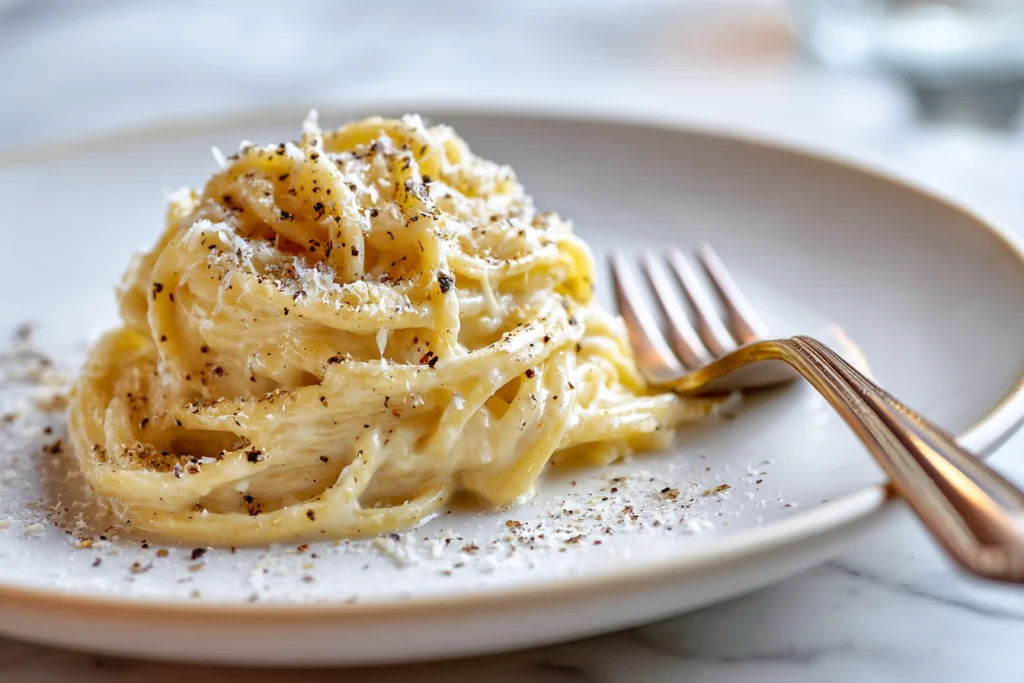
Cacio e Pepe recipe lovers know that this classic Roman pasta dish is proof that simple ingredients can create extraordinary flavor. Made with just pasta, Pecorino Romano cheese, and freshly ground black pepper, this traditional Italian recipe delivers a creamy, rich sauce without using cream or butter. When prepared with the right technique, the combination of starchy pasta water and finely grated cheese creates the signature silky texture that makes this dish so beloved around the world. In this Cacio e Pepe guide, you will learn how to prepare an authentic version of this iconic Italian pasta, including its history, the best ingredients to use, detailed cooking instructions, and expert tips that guarantee perfect results every time. What Is Cacio e Pepe? The name translates directly from Italian as “cheese and pepper.” These two ingredients, combined with pasta and cooking water, create the signature sauce that defines the dish. Unlike many creamy pasta recipes, this one does not rely on butter or cream. Instead, its smooth texture comes from a natural emulsion created by mixing finely grated Pecorino Romano with starchy pasta water. The pasta most commonly used includes long shapes such as spaghetti, bucatini, or tonnarelli. These shapes allow the sauce to cling evenly, ensuring every bite is coated with the peppery, cheesy mixture. Although the ingredients are simple, preparing the dish correctly requires attention to temperature and technique. The cheese must melt smoothly without clumping, and the pasta water must contain enough starch to create a silky sauce. The Origins of This Roman Cacio e Pepe Pasta This recipe comes from the Lazio region of Italy and has been enjoyed for centuries. Historically, it was a practical meal for shepherds traveling across the countryside. Shepherds needed ingredients that were durable, nutritious, and easy to transport. Three foods met those needs perfectly: Pecorino Romano was especially useful because it keeps well for long periods without refrigeration. Black pepper added warmth and strong flavor, while pasta provided energy during long journeys. Over time, this humble meal evolved into one of the most celebrated pasta dishes in Italian cuisine. Today, it appears on restaurant menus around the world. Why This Cacio e Pepe Recipe Is So Popular There are many reasons this Roman classic Cacio e Pepe continues to captivate cooks and diners alike. Simplicity The recipe uses very few ingredients, making it easy to prepare at home. Bold Flavor Pecorino Romano provides a sharp, salty taste that pairs beautifully with aromatic black pepper. Creamy Texture The sauce becomes naturally creamy without heavy ingredients. Quick Preparation The entire dish can be prepared in about twenty minutes. These characteristics make it perfect for both weeknight dinners and elegant meals. Ingredients Of Cacio e Pepe This recipe serves four people. Main Ingredients Because the recipe contains so few ingredients, quality is extremely important. Selecting the Best Ingredients To Make Cacio e Pepe Pasta Long pasta shapes work best because they allow the sauce to coat evenly. Recommended choices include: Pecorino Romano This traditional sheep’s milk cheese is essential for authentic flavor. It is saltier and sharper than Parmesan, giving the dish its characteristic taste. Always grate the cheese finely for the smoothest sauce. Black Pepper Freshly ground pepper releases aromatic oils that enhance the flavor of the sauce. Whole peppercorns ground just before cooking produce the best result. Step-by-Step Cooking The Cacio e Pepe 1. Bring Water to a Boil Fill a large pot with water and bring it to a boil. Add salt once the water begins bubbling. Because Pecorino Romano already contains salt, avoid over-salting the water. 2. Cook the Pasta Add the pasta and cook until al dente, according to the package instructions. Before draining, reserve about 1½ cups of pasta cooking water. This starchy liquid is essential for the sauce. 3. Toast the Pepper While the pasta cooks, place a large skillet over medium heat. Add the freshly ground pepper and toast it briefly until fragrant. This step enhances the pepper’s flavor. 4. Add Pasta Water Pour about half a cup of the reserved pasta water into the skillet with the pepper. Allow the mixture to simmer gently so the pepper flavor infuses the liquid. 5. Transfer the Pasta Using tongs, transfer the cooked pasta directly from the pot into the skillet. Toss the noodles so they absorb the pepper-infused water. 6. Add the Cheese Remove the pan from the heat. Gradually sprinkle the grated Pecorino Romano over the pasta while tossing continuously. Add small amounts of pasta water if necessary. 7. Create the Creamy Sauce Continue tossing the pasta until the cheese melts completely and forms a smooth sauce that coats the noodles evenly. The texture should appear glossy and creamy. 8. Serve Immediately Transfer the pasta to serving plates. Finish with additional Pecorino Romano and freshly cracked black pepper for extra flavor. If you enjoy bold and satisfying flavors, you might also love our flavorful snow crab legs recipe, perfect for an indulgent seafood dinner. Expert Tips for Success Finely Grate the Cheese Small cheese particles melt faster and blend more smoothly with pasta water. Control the Heat Too much heat can cause the cheese to clump instead of forming a creamy sauce. Use Enough Pasta Water The starch in the water is essential for emulsifying the sauce. Toss Continuously Constant movement helps the cheese and water combine properly. For another creamy and comforting appetizer, be sure to try our cottage cheese spinach artichoke dip, a crowd-pleasing favorite. Common Mistakes to Avoid Using Pre-Grated Cheese Pre-grated cheese often contains additives that prevent smooth melting. Skipping the Pepper Toasting Step Toasting the pepper intensifies its aroma and flavor. Not Saving Pasta Water Without the starchy water, the sauce cannot form correctly. If you’re in the mood for something rich and deeply savory, our birria ramen recipe is an unforgettable fusion dish worth exploring. Possible Variations Of Cacio e Pepe Although traditionalists prefer the original three-ingredient version, some modern cooks experiment with small additions. Butter A small amount

Authentic Cacio e Pepe Recipe (Creamy Roman Pasta in 20 Minutes) Read More »

Best Cloud Bread Recipe

Best Cloud Bread Recipe – Easy, Fluffy Low-Carb Bread (Only 4 Ingredients)

If you are searching for a soft, airy bread alternative that is both simple and healthy, this Best Cloud Bread Recipe is exactly what you need. Cloud bread has become incredibly popular among people following keto, gluten-free, and low-carb lifestyles because it offers the texture of bread without the carbohydrates found in traditional recipes. Unlike regular bread made with flour and yeast, cloud bread relies on whipped egg whites to create its light, fluffy structure. The result is a delicate bread with a slightly crisp exterior and a soft, pillowy interior. The Best Cloud Bread Recipe is surprisingly easy to prepare and requires only a few basic ingredients that you may already have in your kitchen. In this detailed guide, you will learn how to prepare the Best Cloud Bread Recipe, discover useful baking tips, explore variations, and find creative ways to enjoy this unique bread alternative. What Is Cloud Bread? Cloud bread is a light bread substitute made mainly from eggs and cream cheese or yogurt. The egg whites are whipped until they form stiff peaks, which creates an airy structure that gives cloud bread its characteristic softness. The Best Cloud Bread Recipe produces a bread that looks almost like small golden clouds when baked. Its texture is different from traditional bread but still satisfying enough to be used for sandwiches, snacks, or even breakfast dishes. One reason many people love the Best Cloud Bread Recipe is that it contains very few carbohydrates. Because it does not include flour or grains, it is naturally gluten-free and suitable for those who want a lighter bread alternative. Another advantage is how quick it is to make. From start to finish, the Best Cloud Bread Recipe usually takes less than forty minutes, making it perfect for busy home cooks. Why This Is the Best Cloud Bread Recipe Many versions of cloud bread exist, but the Best Cloud Bread Recipe stands out because it creates a perfect balance of texture and flavor. Here are several reasons why this recipe works so well. Light and Fluffy Texture The whipped egg whites create an airy structure that gives the bread its signature cloud-like appearance. Simple Ingredients The Best Cloud Bread Recipe uses only a few ingredients, making it easy for anyone to prepare. Low-Carb Friendly Each piece contains minimal carbohydrates compared with traditional bread. Naturally Gluten-Free Because the Best Cloud Bread Recipe does not use flour, it is suitable for people avoiding gluten. Versatile You can enjoy cloud bread in savory or sweet dishes depending on the ingredients you add. Ingredients for the Best Cloud Bread Recipe The Best Cloud Bread Recipe requires just a handful of ingredients that work together to create the light structure and mild flavor of this bread. Main Ingredients These ingredients form the base of the Best Cloud Bread Recipe and ensure the bread rises properly during baking. Optional Flavor Additions To enhance the flavor of the Best Cloud Bread Recipe, you can also add: These additions create a more savory version of cloud bread that works beautifully with sandwiches or breakfast dishes. Equipment Needed Before preparing the Best Cloud Bread Recipe, make sure you have the following tools ready. Using an electric mixer is highly recommended because whipping egg whites properly is essential for the success of the Best Cloud Bread Recipe. Step-by-Step Instructions Follow these instructions carefully to achieve perfect results with the Best Cloud Bread Recipe. Step 1: Preheat the Oven Preheat your oven to 300°F (150°C). Line a baking sheet with parchment paper to prevent the bread from sticking. Preparing the baking sheet before mixing the batter helps the Best Cloud Bread Recipe bake evenly. Step 2: Separate the Eggs Carefully separate the egg whites from the egg yolks. Place the whites in one bowl and the yolks in another. It is important that no yolk mixes into the whites because it can prevent them from whipping properly. Proper separation is a key step in the Best Cloud Bread Recipe. Step 3: Prepare the Egg Yolk Mixture In the bowl with the egg yolks: The mixture should be smooth and slightly thick. This step creates the flavorful base for the Best Cloud Bread Recipe. Step 4: Whip the Egg Whites Add the cream of tartar to the egg whites. Using an electric mixer, beat them until stiff peaks form. When the mixer is lifted, the egg whites should stand upright without collapsing. This step is essential because the airy structure of the Best Cloud Bread Recipe comes from properly whipped egg whites. Step 5: Fold the Mixtures Together Gently fold the egg yolk mixture into the whipped egg whites using a spatula. Slow folding motions help preserve the air inside the batter. This technique keeps the Best Cloud Bread Recipe light and fluffy. Step 6: Shape the Cloud Bread Spoon the batter onto the prepared baking sheet to form small round shapes. Leave some space between each portion because the batter may spread slightly during baking. Proper shaping helps the Best Cloud Bread Recipe bake evenly. Step 7: Bake the Bread Bake the cloud bread for 15 to 30 minutes, or until the tops become lightly golden. The baking time may vary depending on your oven. Once the bread is golden and slightly firm, the Best Cloud Bread Recipe is ready to come out of the oven. Step 8: Allow It to Cool Let the bread cool completely before serving. As it cools, the bread becomes more stable and easier to handle. Cooling also improves the texture of the Best Cloud Bread Recipe. Tips for Perfect Cloud Bread Although the Best Cloud Bread Recipe is simple, a few tips can help you achieve the best results every time. Use Room Temperature Eggs Egg whites whip more easily when they are not cold. Avoid Overmixing Overmixing can collapse the air bubbles that give the Best Cloud Bread Recipe its fluffy texture. Fold Carefully Always fold the batter gently to keep the mixture airy. Watch the Baking

Best Cloud Bread Recipe – Easy, Fluffy Low-Carb Bread (Only 4 Ingredients) Read More »

Homemade Churros

Homemade Churros Recipe: Crispy Cinnamon Sugar Churros in 30 Minutes

Few desserts are as universally loved as freshly made churros. These golden, crispy sticks of fried dough coated in cinnamon sugar have become a favorite treat in cafés, street markets, and homes around the world. While many people enjoy buying them from bakeries or food stands, preparing homemade churros is surprisingly simple and incredibly rewarding. With just a few basic ingredients and a straightforward cooking method, you can create a dessert that is crispy on the outside, soft on the inside, and full of warm cinnamon flavor. This recipe guide explains everything you need to know—from the origins of churros to step-by-step instructions, helpful tips, and creative variations. Once you try making homemade churros, you may discover that they taste even better than the ones sold at fairs and restaurants. What Are Churros? Churros are fried dough pastries that originated in Spain and later spread throughout Latin America and many other parts of the world. Traditionally, the dough is piped through a star-shaped nozzle directly into hot oil, creating long ridged pieces that become crispy as they fry. After frying, the churros are coated in sugar or cinnamon sugar and served warm. Some variations are also filled with chocolate, caramel, or custard. What makes homemade churros so appealing is their unique texture. The ridged exterior becomes golden and crunchy, while the interior remains tender and slightly airy. This contrast between crisp and soft textures creates a dessert that is both simple and satisfying. Although churros may look complicated, the dough is actually very easy to prepare. It is similar to choux pastry, which means it is cooked on the stovetop before being piped and fried. Why Make Churros at Home? There are many reasons why people enjoy making homemade churros instead of buying them from a bakery or food stall. First, fresh churros taste best when they are warm and crispy. When you make them yourself, you can enjoy them immediately after frying. Second, the ingredients required are very simple. Most kitchens already contain flour, butter, eggs, sugar, and oil—everything needed to prepare homemade churros. Another advantage is customization. When preparing churros at home, you can adjust the sweetness, add different toppings, or serve them with a variety of dipping sauces. Finally, cooking churros can be a fun activity to share with family or friends. Making homemade churros together turns a simple dessert into an enjoyable experience. Ingredients This recipe uses classic ingredients that create light, flavorful churros with a crisp exterior. For the dough These ingredients create a smooth dough that fries perfectly and produces delicious homemade churros. For the cinnamon sugar coating The cinnamon sugar coating adds sweetness and gives churros their iconic flavor. Equipment You Will Need To prepare churros successfully, a few basic kitchen tools are helpful. The star-shaped piping tip is important because it creates ridges that help the dough cook evenly and develop the crisp surface typical of homemade churros. Step-by-Step Instructions Follow these steps carefully to achieve the best results. Step 1: Prepare the Cinnamon Sugar In a shallow bowl, mix the sugar and cinnamon together until well combined. This mixture will be used to coat the churros immediately after frying. Step 2: Heat the Oil Pour about two inches of vegetable oil into a deep skillet or pot. Heat the oil to approximately 360°F (180°C). Maintaining the correct temperature is important because it helps the churros cook evenly and prevents them from absorbing excess oil. Step 3: Make the Dough In a medium saucepan, combine the water, butter, sugar, and salt. Place the pan over medium heat and bring the mixture to a boil. Once it begins boiling, add the flour all at once. Stir vigorously with a wooden spoon until the dough thickens and forms a smooth ball. Continue stirring until the dough pulls away from the sides of the pan. This step creates the base for homemade churros and gives the dough its distinctive texture. Step 4: Add the Egg Remove the pan from the heat and allow the dough to cool slightly for several minutes. Once it has cooled enough, add the egg and vanilla extract. Mix thoroughly until the dough becomes smooth, thick, and glossy. The finished dough should be soft enough to pipe but firm enough to maintain its shape. Step 5: Pipe the Dough Transfer the dough to a piping bag fitted with a large star tip. Carefully pipe strips of dough about four to six inches long directly into the hot oil. Use scissors or a knife to cut each strip. This piping technique helps form evenly shaped homemade churros. Step 6: Fry Until Golden Fry the churros for about two to three minutes per side until they become golden brown. Turn them occasionally to ensure even cooking. Once cooked, remove them from the oil using a slotted spoon and place them on paper towels to drain. Proper frying is essential for achieving the crisp texture expected from homemade churros. Step 7: Coat with Cinnamon Sugar While the churros are still warm, roll them in the cinnamon sugar mixture until evenly coated. The warmth helps the sugar stick to the surface and enhances the flavor. Serve immediately for the best taste and texture. Tips for Perfect Results Even though the recipe is simple, a few tips can help you create excellent churros. Keep the oil at the correct temperature Oil that is too hot may burn the outside while leaving the inside undercooked. If the oil is too cool, the churros may absorb excess oil. Use a star piping tip The ridges produced by the piping tip allow the dough to cook evenly and give churros their classic appearance. Fry in small batches Cooking too many churros at once lowers the oil temperature and may affect the texture. Serve them fresh Freshly fried homemade churros have the best flavor and crispness. If you enjoy rich nutty flavors with desserts, you might also love our creamy pistachio butter recipe—perfect for drizzling over churros or spreading

Homemade Churros Recipe: Crispy Cinnamon Sugar Churros in 30 Minutes Read More »

Pistachio Butter

Homemade Pistachio Butter (Creamy, Easy & Naturally Sweet)

If you are looking for a rich, naturally sweet, and beautifully green nut spread, pistachio butter may quickly become your new favorite pantry staple. Smooth, luxurious, and surprisingly easy to prepare, this vibrant spread offers a refined alternative to traditional peanut or almond varieties. Homemade pistachio butter captures the pure flavor of roasted pistachios without unnecessary additives. Whether you spread it on toast, swirl it into desserts, or incorporate it into savory dishes, it brings depth, creaminess, and elegance to everyday meals. In this complete guide, you will learn how to make it from scratch, how to customize it, and the best ways to use it in your kitchen. What Is Pistachio Butter? At its simplest, pistachio butter is made by blending pistachios until they release their natural oils and transform into a smooth paste. The process is similar to making peanut or almond butter, but the flavor profile is distinctly more delicate and slightly sweet. The natural oils inside pistachios create a creamy consistency without the need for added fats. When blended properly, the result is a silky, spreadable texture with a subtle roasted aroma and a beautiful green hue. Because it contains only nuts and optional seasoning, pistachio butter is considered one of the purest forms of nut spreads you can prepare at home. Why Make It at Home? Store-bought versions often include added oils, sweeteners, or stabilizers. Preparing your own pistachio butter gives you full control over flavor and texture. Homemade versions offer: Most importantly, the taste of freshly blended pistachios is far superior to processed alternatives. Ingredients You’ll Need The beauty of this recipe lies in its simplicity. Basic Ingredients: Optional Additions: High-quality pistachios are essential. Fresh, bright green nuts produce the most flavorful pistachio butter. Step-by-Step: How to Make Pistachio Butter Making pistachio butter requires only a food processor and a little patience. Step 1: Roast the Pistachios Preheat your oven to 350°F (175°C). Spread the pistachios evenly on a baking sheet. Roast for 8–10 minutes until fragrant. Roasting enhances flavor and helps the nuts release their oils more easily during blending. Allow them to cool slightly before processing. Step 2: Blend Transfer the roasted pistachios into a food processor. You will notice several stages: This process can take 5–10 minutes depending on your machine. Pause occasionally to scrape down the sides. If the mixture remains too thick, add a small amount of neutral oil. Step 3: Season and Adjust Add salt and blend briefly. Taste and adjust seasoning. For a sweeter version, add honey or maple syrup and blend again. This creates a slightly dessert-style pistachio butter ideal for breakfast spreads. Step 4: Store Properly Transfer to an airtight glass jar. If refrigerated, allow it to soften slightly before spreading. Texture Options You can personalize your pistachio butter based on preference: Because pistachios naturally contain healthy oils, the final texture depends largely on blending time. For a delicate, melt-in-your-mouth treat, explore our Pistachio Wedding Cookies — a refined dessert that beautifully highlights the nut’s natural sweetness. Delicious Ways to Use Pistachio Butter One reason pistachio butter has become increasingly popular is its versatility. Breakfast Ideas Craving something buttery and flaky? Our Pistachio Croissant transforms classic pastry into a luxurious experience with its luscious pistachio filling. Its mild sweetness pairs beautifully with fruit, honey, and dark chocolate. Snack Pairings These simple combinations highlight the natural flavor of the nuts. Baking Applications Adding pistachio butter to baked goods enhances richness and moisture. Try incorporating it into: Because it contains natural fat, it adds tenderness without needing extra butter. If you love the rich flavor of this spread, you’ll adore our Pistachio Tiramisu, where creamy layers meet the unmistakable depth of pistachio in every bite. Savory Dishes While often associated with sweets, pistachio butter works well in savory preparations. Its subtle nutty depth complements lemon, herbs, garlic, and roasted vegetables. Nutritional Benefits Pistachios are naturally rich in: As a result, pistachio butter provides sustained energy and promotes satiety. The combination of fat and protein makes it satisfying in small portions. However, because it is calorie-dense, moderation is important. Common Mistakes to Avoid To achieve perfectly smooth pistachio butter, avoid these errors: Patience is key. The mixture may look dry before it turns creamy — keep blending. Flavor Variations to Try Once you master the classic version, experiment with creative twists: These variations transform a simple spread into something gourmet. Is Pistachio Butter Healthy? Yes, when consumed in reasonable portions. Because it contains healthy fats and protein, pistachio butter supports energy levels and can help reduce cravings. It is naturally free from artificial additives when homemade. Compared to heavily sweetened spreads, it offers a more nutrient-dense alternative. Why It Deserves a Place in Your Kitchen Few spreads offer the same balance of elegance, nutrition, and versatility. Pistachio butter works for breakfast, snacks, baking, and even savory dishes. Its naturally vibrant color makes dishes visually appealing, while its creamy consistency adds indulgence without heaviness. Preparing it at home ensures purity and freshness that cannot be replicated by commercial versions. Final Thoughts Homemade pistachio butter is simple, luxurious, and endlessly adaptable. With only a handful of ingredients and a food processor, you can create a smooth, nutrient-rich spread that enhances everything from toast to desserts. Whether you prefer it lightly salted, slightly sweetened, or ultra-smooth, this vibrant green spread brings depth and refinement to everyday cooking. Once you taste freshly blended pistachios transformed into creamy perfection, you may never look at ordinary nut spreads the same way again. This guide is inspired by insights from trusted culinary sources, including this detailed pistachio butter recipe at The Mediterranean Dish, which beautifully highlights the art of blending nuts into a silky spread.

Homemade Pistachio Butter (Creamy, Easy & Naturally Sweet) Read More »