diamondmeals.com

drsoukainaelaziz@gmail.com

Thai Iced Tea

Thai Iced Tea: A Complete Guide to Thailand’s Creamy, Iconic Drink

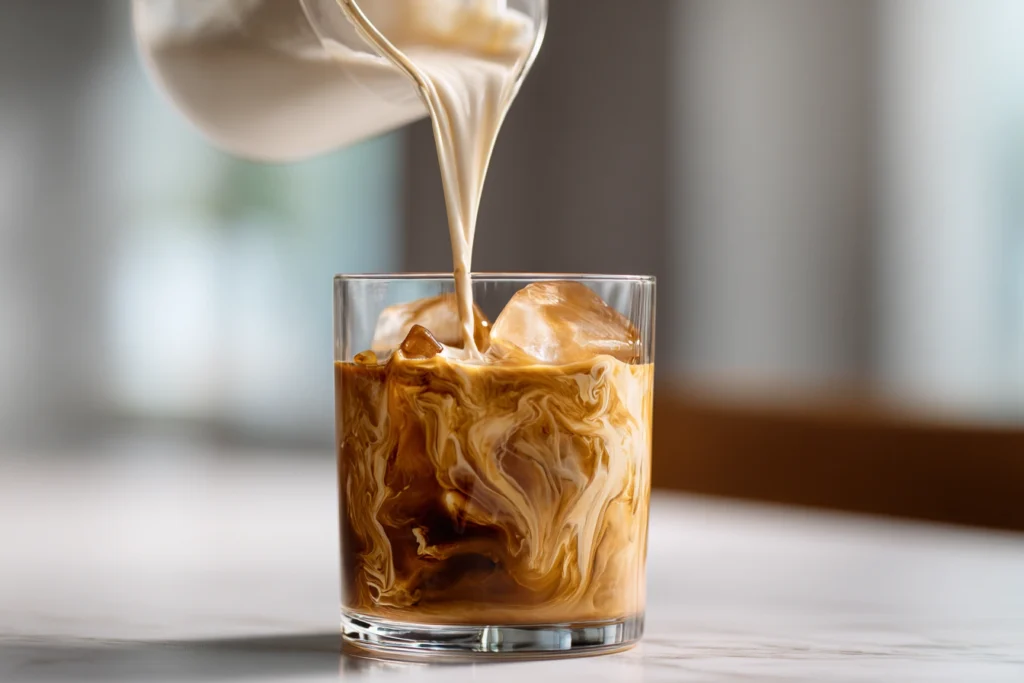
Colorful, creamy, and deeply refreshing, Thai iced tea has earned its place as one of the most recognizable beverages in Southeast Asian cuisine. Known for its warm orange hue and indulgent texture, this chilled tea drink balances bold black tea with sweetness and milk, creating a flavor that is both comforting and energizing. Served ice-cold and enjoyed worldwide, Thai iced tea is more than a restaurant favorite — it is a cultural staple with a fascinating background and a surprisingly simple preparation. In this guide, you’ll learn what makes this drink special, how to prepare it at home, and how to customize it to your taste while preserving its authentic character. What Is Thai Iced Tea? Thai iced tea is a cold beverage made from strongly brewed black tea, sugar, ice, and milk. Unlike standard iced tea, it is intentionally brewed extra strong to maintain its flavor when combined with ice and dairy. The final drink is smooth, rich, and lightly aromatic. Traditionally sold by street vendors in Thailand, it is often poured dramatically between containers to aerate and cool the tea before serving. Today, Thai iced tea appears on menus around the world and is especially popular as a contrast to spicy food. The Origins of Thai Iced Tea Tea culture in Thailand developed later than in neighboring Asian countries. As tea cultivation expanded in northern Thailand during the twentieth century, black tea became increasingly available. Combined with the country’s hot climate, iced tea naturally gained popularity. The introduction of sweetened condensed milk played a major role in shaping the drink. Condensed milk was affordable, shelf-stable, and ideal for adding both sweetness and richness. Over time, vendors refined the balance of tea, sugar, ice, and milk, creating what we now recognize as Thai iced tea. As Thai cuisine spread globally, the drink evolved slightly, becoming sweeter and more colorful in international restaurants while maintaining its essential identity. What Makes This Drink Unique? Several elements distinguish Thai iced tea from other cold tea beverages. Strong Tea Concentration The tea base is intentionally bold and slightly bitter, ensuring that flavor remains present after milk and ice are added. Creamy Texture Milk is not just an addition but a defining feature. The combination of tea and dairy creates a smooth, almost dessert-like mouthfeel. Visual Appeal The layered presentation — dark tea beneath pale milk — makes the drink instantly recognizable. Temperature Contrast Served extremely cold, it offers immediate relief in warm weather and pairs beautifully with spicy meals. Ingredients You’ll Need High-quality ingredients are the foundation of a great result. Core Ingredients Optional Enhancements Each ingredient plays a role, but the balance between tea strength and sweetness is what truly defines Thai iced tea. How to Make Thai Iced Tea at Home This method produces a smooth, well-balanced drink with professional results. Yield Serves 4–6 Step 1: Brew the Tea Bring 4 cups of water to a boil. Add tea leaves or tea mix and reduce the heat. Allow the tea to steep for 25–30 minutes. This extended steeping creates the strong base necessary for Thai iced tea. Strain the tea and let it cool to room temperature. Step 2: Sweeten While the tea is still warm, stir in sugar until fully dissolved. Taste and adjust carefully — sweetness should complement the tea, not overpower it. Refrigerate until cold. Step 3: Assemble Fill tall glasses with ice. Pour the chilled tea over the ice, leaving space at the top. Add sweetened condensed milk, then finish with a splash of evaporated milk if desired. Stir gently before drinking. Tips for Best Results Brew Stronger Than Normal A weak tea base will disappear once ice and milk are added. Chill Before Serving Cold tea melts ice more slowly and preserves flavor. Adjust Dairy Gradually Condensed milk is powerful. Add a little at a time. Use Large Ice Cubes They melt more slowly and keep the drink balanced. If you enjoy naturally colorful and calming beverages, you may also appreciate this delicate butterfly pea flower tea. Popular Variations One reason Thai iced tea is so widely loved is its adaptability. Dairy-Free Version Coconut milk or oat milk creates a creamy texture while keeping the drink plant-based. Light Version Reducing sugar and milk highlights the tea’s natural flavor. Extra Creamy Style Additional condensed milk transforms the drink into a dessert-like treat. Spiced Variation A touch of warming spice adds complexity without overpowering the tea. Each variation maintains the spirit of Thai iced tea while offering a new experience. For a refreshing citrus-forward drink with a modern twist, this sunjoy-inspired beverage is worth exploring. How to Serve It Thai iced tea pairs especially well with spicy dishes, fried foods, and rich curries. The sweetness and creaminess soften heat and cleanse the palate. It can also be enjoyed on its own as a refreshing afternoon drink. Serve in tall glasses with a wide straw to showcase its layered appearance. Make-Ahead and Storage The tea base can be prepared up to two days in advance and stored in the refrigerator. Assemble individual glasses only when ready to serve to preserve freshness and texture. This makes Thai iced tea ideal for entertaining or batch preparation. Those drawn to warm, aromatic flavors might also enjoy this comforting clove tea recipe. Why This Drink Endures The enduring popularity of Thai iced tea lies in its balance. It is bold but smooth, sweet but refreshing, indulgent yet simple. Few beverages manage to be both comforting and exciting at the same time. Across cultures and continents, it continues to win over new fans while remaining rooted in its origins. Frequently Asked Questions How to make Thai tea? To make Thai tea, brew strong black tea, sweeten it while warm, chill it, then serve over ice with sweetened condensed milk and a splash of evaporated milk for creaminess. What is Thai tea made of? Thai tea is made from black tea, sugar, ice, and milk—most commonly sweetened condensed milk, sometimes combined with evaporated milk

Thai Iced Tea: A Complete Guide to Thailand’s Creamy, Iconic Drink Read More »
Low carb wraps

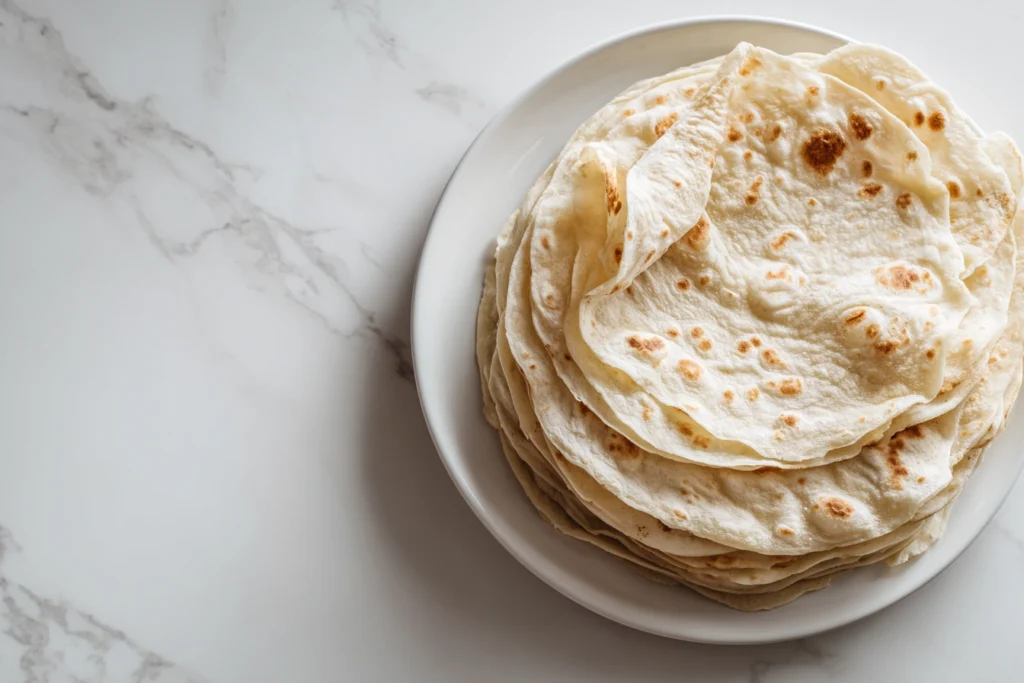
Low Carb Wraps: A Complete Guide to Healthy, Flexible Homemade Alternatives

Low carb wraps are an essential staple for anyone looking to reduce carbohydrates without giving up the convenience and enjoyment of wraps, tortillas, and flatbreads. Whether your goal is weight management, blood sugar control, or following a ketogenic lifestyle, low carb wraps make it easy to enjoy satisfying meals while staying within your nutritional goals. From breakfast to dinner, they fit seamlessly into everyday cooking. This guide explores everything you need to know about low carb wraps, including what they are, why homemade versions are ideal, how to prepare them successfully, and the many ways they can be used in daily meals. What Are Low Carb Wraps? Low carb wraps are alternatives to traditional wheat-based tortillas that significantly reduce carbohydrate content while preserving softness, flexibility, and structure. Standard flour tortillas often contain between 20 and 30 grams of carbohydrates per serving. In comparison, well-prepared low carb wraps typically contain fewer than 5 grams of net carbs. These wraps are usually made with ingredients such as coconut flour, almond flour, egg whites, eggs, or fiber-rich binders. The goal is to replace refined grains with low-glycemic ingredients that still allow the wrap to bend, roll, and hold fillings without breaking. Because of their composition, low carb wraps are suitable for ketogenic, gluten-free, diabetic-friendly, and low-glycemic diets. Why Homemade Low Carb Wraps Are the Best Choice Although packaged versions exist, homemade low carb wraps offer clear advantages. Ingredient Transparency Preparing low carb wraps at home ensures complete control over ingredients. There are no hidden starches, added sugars, or preservatives. This is especially important for those following strict dietary protocols. Superior Texture Freshly cooked low carb wraps are generally softer and more flexible than store-bought alternatives. Homemade versions are less likely to crack or dry out when folded or rolled. Cost Efficiency Making low carb wraps at home is often more economical than purchasing specialty products, particularly when cooking in batches. Customization Homemade wraps can be tailored for neutral, savory, or lightly seasoned flavors depending on how they will be used. Key Ingredients Used in Low Carb Wraps Most low carb wraps rely on a small group of essential ingredients, each serving a specific purpose. Coconut flour is particularly popular because of its ability to absorb liquid and create soft yet sturdy wraps when combined with eggs. Basic Homemade Low Carb Wrap Recipe This simple recipe yields soft, flexible low carb wraps suitable for wraps, burritos, or tacos. Ingredients (8–12 wraps) Instructions Stack the finished low carb wraps between sheets of parchment paper to keep them soft. Common Mistakes and How to Avoid Them Many first-time cooks encounter issues when making low carb wraps. These problems are easy to fix. Cooking slowly and keeping the batter thin but fluid produces the best results. For a creamy, protein-rich pairing, try our cottage cheese spinach and artichoke dip, perfect for light and satisfying meals. Variations of Low Carb Wraps There are many creative ways to prepare low carb wraps using different ingredient combinations. Egg-Based Wraps Made with eggs or egg whites only, these wraps are thin, high in protein, and ideal for breakfast or light meals. Vegetable-Enhanced Wraps Zucchini, spinach, or cauliflower can be added for extra nutrients without increasing carbohydrates significantly. Lettuce Wraps While not traditional wraps, lettuce leaves serve as a fresh, carb-free alternative for quick meals. Each variation maintains the core principle of low carb wraps: minimal carbohydrates with maximum usability. If you enjoy simple homemade staples, you may also love our strawberry jam made without pectin, naturally sweet and beautifully balanced. How to Use Low Carb Wraps in Daily Meals Low carb wraps can replace bread and tortillas in countless dishes. Breakfast Fill with eggs, cheese, and vegetables for a filling start to the day. Lunch Use low carb wraps for chicken, turkey, or tuna wraps paired with fresh greens. Dinner They work well for tacos, fajitas, quesadillas, or wrap-style sandwiches. Snacks Bake cut wraps into crisp pieces or roll and slice them into pinwheels. Because they reheat well, low carb wraps are excellent for meal preparation. For a comforting, nourishing option, our classic chicken consommé is a timeless recipe worth exploring. Storage and Meal Prep Tips To maintain freshness and flexibility: Avoid overheating, which can cause the wraps to become brittle. Health Benefits of Low Carb Wraps Replacing traditional tortillas with low carb wraps may help support stable blood sugar levels and improved satiety. Lower carbohydrate intake can reduce post-meal energy crashes and support weight management goals. These wraps are often higher in protein and fiber, helping you feel fuller for longer while maintaining steady energy levels. Homemade vs Store-Bought Low Carb Wraps Store-bought options are convenient, but homemade low carb wraps generally provide better ingredient quality and texture. Preparing them at home allows full control over thickness, flavor, and freshness. For many people, learning to make loww carb wraps becomes a valuable kitchen skill that supports long-term healthy eating. Frequently Asked Questions Which wraps are lowest in carbs?The lowest-carb wraps are usually made from egg whites, coconut flour, or fiber-rich ingredients like psyllium husk. Lettuce wraps are the lowest overall since they contain almost no carbohydrates. Can I eat wraps on a low carb diet?Yes. Wraps can fit into a low carb diet as long as they are made without wheat flour or refined grains. Low carb wraps are specifically designed to reduce carbohydrates while remaining flexible and filling. Do 0 carb tortillas exist?True zero-carb tortillas do not naturally exist. Some products are labeled “zero carb” due to high fiber content, but they still contain minimal total carbohydrates. Lettuce or vegetable leaves are the closest natural alternative. Which bread is lowest in carbs?Breads made with almond flour, coconut flour, or high fiber blends are typically the lowest in carbs. Compared to traditional bread, these options significantly reduce carbohydrate intake. Final Thoughts Loww carb wraps offer a practical, satisfying alternative to traditional tortillas without compromising flexibility or taste. With simple ingredients and careful cooking, they can be used for breakfast,

Low Carb Wraps: A Complete Guide to Healthy, Flexible Homemade Alternatives Read More »

baking soda and apple cider vinegar

Baking Soda and Apple Cider Vinegar: A Recipe-Focused Guide with Practical Health Context

The combination of baking soda and apple cider vinegar has long been used in cooking, baking, and traditional home practices. These two simple ingredients are found in most kitchens and are valued for their versatility, affordability, and unique chemical interaction. While some people associate baking soda and apple cider vinegar with health trends, their most reliable and well-established uses remain culinary. This article explores how baking soda and apple cider vinegar work together in recipes, explains the science behind their reaction, and provides a cautious overview of their occasional use in beverages. The focus is on safe, informed use rather than exaggerated claims, making this guide suitable for food blogs, lifestyle websites, and educational platforms. Understanding the Two Ingredients To use baking soda and apple cider vinegar properly, it is important to understand the role of each ingredient. Baking Soda Baking soda, or sodium bicarbonate, is an alkaline compound commonly used as a leavening agent. When combined with an acid, it produces carbon dioxide gas, which helps doughs and batters rise. Baking soda is powerful, meaning only small amounts are needed in recipes. Because baking soda contains sodium and influences acid–base balance, it should always be used with precision, especially outside of baking. Apple Cider Vinegar Apple cider vinegar is made by fermenting apples into alcohol and then into acetic acid. It has a sharp, tangy flavor and is widely used in dressings, marinades, sauces, and pickling. In recipes, apple cider vinegar adds brightness and depth without overpowering other ingredients. Nutritionally, apple cider vinegar is often discussed in relation to digestion and blood sugar response, though these effects are generally modest. The Science Behind Baking Soda and Apple Cider Vinegar When baking soda and apple cider vinegar are mixed, a chemical reaction occurs immediately. The acidic vinegar reacts with the alkaline baking soda, releasing carbon dioxide gas. This reaction causes fizzing and bubbling. In cooking, this reaction is useful because it: Once the reaction is complete, the mixture becomes closer to neutral in taste and acidity. Culinary Uses of Baking Soda and Apple Cider Vinegar Baking Applications The most common and reliable use of baking soda and apple cider vinegar is in baking. This combination is especially popular in: Apple cider vinegar activates the baking soda without leaving a noticeable vinegar flavor when measured correctly. Savory Cooking Apple cider vinegar is often used to enhance savory dishes, adding balance and brightness. Baking soda may occasionally be used in very small amounts to soften legumes or reduce bitterness in vegetables, though excessive use should be avoided to preserve nutrients. Food Preparation and Kitchen Use Outside of cooking, baking soda and apple cider vinegar are commonly used separately in food preparation to clean produce, neutralize odors, and maintain kitchen surfaces. These uses are non-culinary but highlight the versatility of both ingredients. Baking Soda and Apple Cider Vinegar Drink Recipe ⚠️ This recipe is for informational purposes only and should not be consumed regularly. Ingredients Instructions This simple drink demonstrates the reaction between baking soda and apple cider vinegar and results in a milder flavor than vinegar alone. Taste and Texture The drink made with baking soda and apple cider vinegar has a lightly tangy taste with reduced sharpness. Some people find it smoother than diluted vinegar on its own. Optional additions like a small amount of honey or cinnamon may improve palatability. Health Context: A Cautious Overview Digestive Sensation Apple cider vinegar may stimulate digestive secretions in some individuals. Baking soda temporarily neutralizes acidity. When combined, baking soda and apple cider vinegar may feel gentler on the stomach for certain people, though experiences vary. Blood Sugar Considerations Some studies associate apple cider vinegar with a reduced blood sugar response after meals. Baking soda does not contribute to this effect and should not be used for metabolic purposes. Clarifying Common Misconceptions A frequent claim is that baking soda and apple cider vinegar “alkalize the body.” In reality, the human body regulates blood pH very tightly. Diet does not override this system. Safety and Responsible Use Using baking soda and apple cider vinegar incorrectly can cause side effects. People with kidney disease, heart conditions, digestive disorders, or those who are pregnant should avoid consuming baking soda unless advised by a professional. Those exploring gentle, food-inspired alternatives may also enjoy discovering our natural Zepbound-style recipe. Frequency of Use For baking and cooking, baking soda and apple cider vinegar are safe when used according to recipes. For beverages, use should be occasional rather than routine. This mixture is not intended for daily or long-term consumption. If you’re curious about other mineral-based wellness methods, our Celtic salt trick offers an interesting complementary perspective. Alternatives Without Baking Soda If the goal is flavor or gentle digestive comfort, alternatives include: These options avoid the risks associated with baking soda ingestion. For a deeper look at how this approach is applied in practice, you may find our baking soda trick for men particularly insightful. Frequently Asked Questions Do baking soda and apple cider vinegar cancel each other out? No. Their reaction is what makes them useful, especially in baking. Are baking soda and apple cider vinegar effective for weight loss? There is no strong scientific evidence supporting this claim. Is long-term use safe? Long-term consumption of baking soda is not recommended. What is the baking soda and apple cider vinegar trick? The baking soda and apple cider vinegar trick refers to mixing a small amount of baking soda with diluted apple cider vinegar to create a fizzing reaction. This reaction neutralizes acidity and is commonly used in baking, while some people also try it occasionally as a homemade drink. It should be used cautiously and not as a daily habit. What is the difference between bicarbonate of soda and baking soda? There is no difference between bicarbonate of soda and baking soda. They are two names for the same compound, sodium bicarbonate. The term “bicarbonate of soda” is more common in British and European English, while “baking soda” is

Baking Soda and Apple Cider Vinegar: A Recipe-Focused Guide with Practical Health Context Read More »

Cottage Cheese Queso Dip

Cottage Cheese Queso Dip (Creamy, High-Protein & Easy)

Queso dip has long been a favorite comfort food. Creamy, cheesy, and endlessly scoopable, it shows up at parties, family gatherings, and casual weeknight meals. However, traditional versions are often heavy, overly rich, and lacking in nutritional balance. That’s why cottage cheese queso dip has become such a popular alternative. It delivers the same satisfying flavor and texture while offering a lighter, more protein-rich profile that fits effortlessly into modern eating habits. This updated take on queso transforms humble cottage cheese into a silky, indulgent dip that feels just as comforting as the classic version. Whether you’re hosting guests or preparing a quick snack, this recipe offers a perfect balance of flavor, texture, and nourishment. Why Cottage Cheese Is the Secret to a Better Queso At first glance, cottage cheese may seem like an unusual base for a queso-style dip. Yet once blended, it becomes remarkably smooth and creamy, making it ideal for sauces. The mild flavor allows spices and melted cheese to shine without overpowering the dish. What truly sets cottage cheese queso dip apart is its nutritional edge. Cottage cheese is naturally high in protein and lower in fat than many traditional cheese bases. This means the dip is more filling and satisfying, even in smaller portions. It’s comfort food that doesn’t feel heavy, making it suitable for both everyday meals and special occasions. Another advantage is versatility. Cottage cheese pairs beautifully with classic Tex-Mex seasonings, spicy peppers, and a wide range of cheeses, allowing you to customize the dip to your taste. Ingredients You’ll Need This recipe keeps things simple and accessible. Most ingredients are pantry staples, and substitutions are easy. Essential Ingredients Optional Flavor Boosters Using full-fat cottage cheese yields the creamiest cottage cheese queso dip, but lower-fat options can work if heated gently. How to Make Cottage Cheese Queso Dip The method is simple, but technique matters. Gentle heat and thorough blending are the keys to success. Step 1: Blend Until Smooth Add the cottage cheese to a blender or food processor and blend until completely smooth. The texture should resemble thick cream, with no visible curds remaining. Step 2: Add Cheese and Seasoning Transfer the blended cottage cheese to a saucepan or microwave-safe bowl. Stir in the shredded cheese and taco seasoning until evenly combined. Step 3: Heat Slowly Warm the mixture over low heat, stirring constantly. This prevents separation and ensures a smooth finish. If using a microwave, heat in short intervals, stirring between each one. Step 4: Adjust Texture and Taste Taste your cottage cheese queso dip and adjust seasoning as needed. Add a splash of milk if you prefer a thinner consistency. Step 5: Serve Warm Serve immediately while warm for the best texture and flavor. If you enjoy creamy, protein-rich dips with a refined twist, you may also appreciate our cottage cheese spinach artichoke dip. Tips for Perfect Texture Every Time Even an easy recipe can benefit from a few expert tips: These small details make a big difference in achieving a smooth, restaurant-quality cottage cheese queso dip. Flavor Variations to Explore Once you master the base recipe, experimenting becomes part of the fun. Spicy Version Add chopped jalapeños or hot sauce for a bold kick. Smoky Queso Incorporate smoked paprika and roasted green chiles for deeper flavor. Chunky Tex-Mex Style Fold in diced tomatoes or fresh salsa after heating. Hearty Protein Boost Mix in seasoned ground meat to turn your cottage cheese queso dip into a meal-worthy sauce. Each variation keeps the base creamy while introducing new layers of flavor. For those who love a touch of heat balanced with creaminess, our cottage cheese buffalo chicken dip is another flavorful option worth exploring. Nutritional Advantages Compared to traditional queso, this dip offers meaningful benefits: Because it’s protein-rich, cottage cheese queso dip works well as a snack, appetizer, or even a post-workout option. And to finish on a sweet note, our cranberry pistachio shortbread cookies make a beautifully balanced dessert alongside any savory spread. How to Serve Cottage Cheese Queso Dip This dip is incredibly versatile and fits into many meals. Classic Dipping Options As a Sauce For Entertaining Serve cottage cheese queso dip warm in a heat-safe dish or small slow cooker to maintain its creamy texture throughout the event. Storage and Reheating Leftovers store well with proper handling. Handled correctly, the dip retains its smooth texture and rich flavor. Why This Recipe Belongs in Your Kitchen Cottage cheese queso dip proves that comfort food can be both indulgent and balanced. It’s quick to make, easy to customize, and satisfying without being heavy. Whether you’re serving it at a party or enjoying a quiet snack at home, this dip delivers creamy texture and bold flavor every time. Once you try cottage cheese queso dip, it’s hard not to appreciate how seamlessly it fits into everyday cooking. It offers everything you love about queso — with a lighter, smarter twist. This article has been enriched by insights drawn from trusted external resources, offering additional perspective on the topic

Cottage Cheese Queso Dip (Creamy, High-Protein & Easy) Read More »

Cottage Cheese Spinach Artichoke Dip

Cottage Cheese Spinach Artichoke Dip (Creamy, High-Protein & Easy)

Spinach artichoke dip has long been a favorite at gatherings, parties, and cozy nights in. Its creamy texture, savory flavor, and comforting warmth make it universally appealing. However, the classic version is often made with cream cheese, sour cream, or mayonnaise, which can feel heavy and overly rich. This cottage cheese spinach artichoke dip offers a modern alternative that keeps everything people love about the original while introducing a lighter, more balanced nutritional profile. By using blended cottage cheese as the base, this recipe delivers a smooth and creamy consistency without relying on heavy ingredients. The result is a dip that feels indulgent yet fits comfortably into a more mindful approach to eating. Whether you’re hosting guests or simply preparing a nourishing snack, this cottage cheese spinach artichoke dip proves that comfort food can also be wholesome. Why Cottage Cheese Works So Well in This Dip Cottage cheese may seem unconventional for a dip, but once blended, it becomes remarkably smooth and neutral in flavor. This makes it an excellent base for creamy recipes. In a cottage cheese spinach artichoke dip, it replaces heavier dairy while still allowing the spinach, artichokes, and seasonings to shine. One of the key advantages of cottage cheese is its high protein content. Compared to cream cheese or sour cream, cottage cheese offers significantly more protein per serving, helping this dip feel more satisfying. It also contains calcium and can be found in various fat levels, allowing flexibility based on taste and dietary preferences. When properly blended, cottage cheese creates a texture that closely mimics traditional creamy dips, making this version nearly indistinguishable in mouthfeel while being noticeably lighter. Ingredients for Cottage Cheese Spinach Artichoke Dip This recipe uses simple, familiar ingredients that work together harmoniously. Base Ingredients Seasonings Cheese for Flavor and Texture Each ingredient plays a role in building the rich yet balanced flavor that defines this cottage cheese spinach artichoke dip. Step-by-Step Preparation Step 1: Blend the Cottage Cheese Start by blending the cottage cheese until completely smooth. This step is essential. Any remaining curds can affect the final texture, so take your time. A smooth base ensures that the cottage cheese spinach artichoke dip has the creamy consistency people expect. Step 2: Cook the Spinach and Artichokes Heat a small amount of oil in a skillet over medium heat. Add the spinach and cook until wilted. If using frozen spinach, make sure it is fully thawed and squeezed dry before cooking. Add chopped artichoke hearts and cook briefly until heated through. Step 3: Combine Everything Reduce the heat and stir the blended cottage cheese into the skillet with the vegetables. Add garlic powder, onion powder, salt, and pepper. Stir gently until everything is evenly combined and warmed. Step 4: Add the Cheese Stir in shredded mozzarella and allow it to melt fully. The dip will thicken slightly and become glossy. At this stage, the cottage cheese spinach artichoke dip is ready to serve warm or can be transferred to a baking dish for a baked version. For another creamy, protein-rich option with a touch of heat, this cottage cheese buffalo chicken dip makes a delicious companion recipe. Optional Baked Cottage Cheese Spinach Artichoke Dip For a more traditional presentation, baking is an excellent option. Transfer the prepared mixture to an oven-safe dish, sprinkle additional cheese on top, and bake until bubbly and lightly golden. Baking enhances flavor and creates a slightly firmer texture while keeping the interior creamy. This baked version of cottage cheese spinach artichoke dip is ideal for parties and holiday gatherings. Texture and Flavor Tips These details make a noticeable difference in the final quality of the cottage cheese spinach artichoke dip. Easy Variations to Customize Your Dip One of the best things about cottage cheese spinach artichoke dip is how adaptable it is. Extra Creamy Add a small amount of Greek yogurt for additional tang and smoothness. Extra Cheesy Increase the mozzarella or add Parmesan for a richer flavor profile. Spicy Incorporate red pepper flakes, cayenne, or chopped jalapeños. High-Protein Meal Option Stir in cooked chicken breast to transform the dip into a satisfying main dish component. Each variation keeps the foundation of the cottage cheese spinach artichoke dip intact while offering new flavor experiences. Serving Suggestions This dip pairs beautifully with a wide range of options: The versatility of cottage cheese spinach artichoke dip also allows it to be used as a spread, a pasta sauce base, or a topping for grilled meats and vegetables. Nutritional Advantages Compared to traditional recipes, cottage cheese spinach artichoke dip offers: This balance makes it appealing to those seeking nutritious comfort food without sacrificing flavor. And if you enjoy slow-simmered flavors and rustic comfort food, this traditional cazuela is well worth discovering Frequently Asked Questions Does cottage cheese taste noticeable in the dip?When blended and seasoned, cottage cheese has a very mild flavor and does not overpower the dish. Can cottage cheese spinach artichoke dip be made ahead?Yes. It can be prepared in advance, stored refrigerated, and reheated gently before serving. Is this dip good cold?Yes. While often served warm, cottage cheese spinach artichoke dip is also enjoyable chilled, especially with vegetables. If you’re craving something equally comforting and bold, this hearty carne con chile is a wonderful dish to explore next Final Thoughts This cottage cheese spinach artichoke dip is proof that simple ingredient swaps can elevate a classic recipe without losing its soul. Creamy, savory, and satisfying, it delivers everything people expect from spinach artichoke dip while offering a lighter and more protein-rich alternative. Whether served warm, baked, or cold, cottage cheese spinach artichoke dip fits effortlessly into everyday meals and special occasions alike. Once you try it, it’s likely to become a regular part of your recipe collection—comforting, versatile, and undeniably delicious. This article has been informed by insights drawn from trusted culinary resources, including this detailed recipe.

Cottage Cheese Spinach Artichoke Dip (Creamy, High-Protein & Easy) Read More »

cottage cheese buffalo chicken dip

Cottage Cheese Buffalo Chicken Dip: A Creamy, High-Protein Crowd Favorite

Few appetizers manage to be bold, comforting, and nourishing at the same time, but cottage cheese buffalo chicken dip does exactly that. This recipe reinvents the classic buffalo chicken dip by swapping traditional heavy ingredients for cottage cheese, creating a lighter, protein-rich version that still delivers big flavor. Whether you are hosting a game day gathering, planning snacks for the week, or looking for a healthier comfort food option, this dip fits effortlessly into your routine. Buffalo chicken dip has long been a favorite thanks to its spicy heat, creamy texture, and irresistible cheesiness. The problem is that traditional versions can feel heavy and overly rich. Cottage cheese offers a smart solution, bringing creaminess and structure while significantly boosting protein and reducing excess fat. The result is a dip that feels indulgent yet balanced, perfect for both casual snacking and entertaining. Why Cottage Cheese Is the Secret Ingredient At first glance, cottage cheese may seem like an unexpected choice for a buffalo dip, but it works remarkably well. When mixed or blended, it becomes smooth and creamy, forming a base that mimics cream cheese while offering nutritional advantages. The success of cottage cheese buffalo chicken dip lies in how well cottage cheese absorbs flavor. Its mild taste allows the buffalo sauce, garlic, and cheese to shine without competition. Texture is also highly adaptable—you can leave it slightly textured for a rustic feel or blend it until silky smooth for a classic dip consistency. From a nutritional standpoint, cottage cheese brings high-quality protein and helps create a dish that satisfies hunger without feeling heavy or greasy. Ingredients Overview This recipe relies on simple, familiar ingredients that come together quickly and easily. Core Ingredients Optional Enhancements Each ingredient plays a specific role in building the creamy, spicy, and savory profile that defines cottage cheese buffalo chicken dip. How to Make the Dip Step by Step Step 1: Prepare the Chicken Use fully cooked chicken breast. Rotisserie chicken works well for convenience, but baked or boiled chicken is just as effective. Shred or chop the chicken into small pieces so it distributes evenly throughout the dip. Step 2: Blend the Cottage Cheese (Optional) If you prefer a smoother texture, blend the cottage cheese in a blender or food processor until creamy. This step is optional but recommended for a traditional dip consistency. Step 3: Mix the Base In a large bowl, combine the cottage cheese, cooked chicken, buffalo sauce, garlic powder, and most of the shredded cheese. Stir until fully combined and evenly coated. Step 4: Bake Until Bubbly Transfer the mixture to an oven-safe baking dish. Sprinkle the remaining cheese over the top. Bake until hot, bubbly, and lightly golden. Step 5: Rest and Serve Allow the dip to rest briefly after baking. This helps it thicken slightly and makes it easier to scoop. Your cottage cheese buffalo chicken dip is now ready to enjoy. Texture Control Tips Texture is one of the most customizable aspects of this recipe. These adjustments ensure the final texture suits your personal preference while maintaining the integrity of cottage cheese buffalo chicken dip. Flavor Variations This recipe is incredibly adaptable, making it easy to customize. Spicy Version Increase the amount of buffalo sauce or add cayenne pepper for extra heat. Milder Version Reduce buffalo sauce and add more cottage cheese for a gentler flavor. Blue Cheese Style Mix blue cheese crumbles into the dip and sprinkle some on top before baking. Smoky Version Add smoked paprika or chipotle powder for deeper flavor complexity. Each variation keeps the soul of cottage cheese buffalo chicken dip intact while offering new flavor dimensions. Serving Suggestions This dip works well in many settings and pairs beautifully with a variety of foods. Classic Dippers Healthier Options Beyond Dipping Use it as a spread in wraps, spoon it over baked potatoes, or add it to grain bowls for a protein boost. These creative uses extend the versatility of cottage cheese buffalo chicken dip beyond the appetizer table. Make-Ahead, Storage, and Reheating Make-Ahead You can assemble the dip in advance, store it covered in the refrigerator, and bake it just before serving. Storage Leftovers keep well in an airtight container in the refrigerator for up to five days. Reheating Reheat gently in the oven or microwave, stirring occasionally to maintain creaminess. Proper reheating preserves the texture and flavor of cottage cheese buffalo chicken dip. Nutritional Advantages One of the biggest strengths of this dish is its nutritional profile. Because of these benefits, cottage cheese buffalo chicken dip fits well into balanced eating plans while still feeling indulgent. “And if you enjoy rustic, slow-cooked meals that feel both nourishing and traditional, this warm family favorite is a beautiful choice.”👉 (great for cazuela) Common Mistakes to Avoid To ensure the best results, avoid these pitfalls: Attention to these details helps maintain the ideal texture and flavor balance that defines cottage cheese buffalo chicken dip. For a cozy twist on everyday ingredients, this simple yet satisfying dish makes a lovely addition to your table.”👉 (perfect for apple macaroni) Why This Recipe Deserves a Spot in Your Collection This recipe stands out because it combines comfort, convenience, and nutrition in one dish. It’s quick to prepare, endlessly customizable, and suitable for everything from casual snacks to entertaining guests. The creamy texture, bold buffalo flavor, and high protein content make it a reliable favorite. Once you’ve tried cottage cheese buffalo chicken dip, it’s easy to see why cottage cheese has become such a popular upgrade in modern comfort food recipes. If you’re craving something equally comforting and rich in flavor, this hearty homemade classic is well worth exploring.” Final Thoughts About cottage cheese buffalo chicken dip Comfort food doesn’t have to be heavy to be satisfying. With its creamy texture, spicy kick, and impressive nutritional profile, cottage cheese buffalo chicken dip proves that simple ingredient swaps can transform classic recipes into something even better. Whether served fresh from the oven or enjoyed as leftovers, this dip delivers

Cottage Cheese Buffalo Chicken Dip: A Creamy, High-Protein Crowd Favorite Read More »

Almond croissant cookies

Almond Croissant Cookies: A Bakery-Style Cookie Inspired by a Classic Pastry

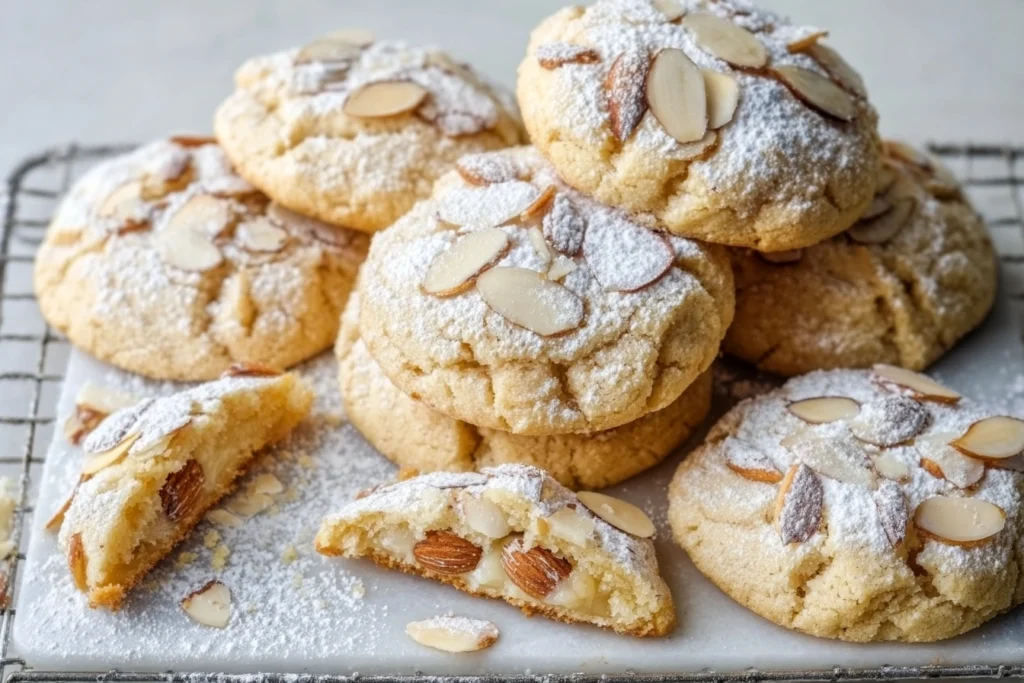
Almond croissant cookies are a refined dessert that blends the elegance of French bakery flavors with the comfort and simplicity of homemade cookies. Inspired by the iconic almond croissant, this recipe captures everything people love about that pastry—rich almond flavor, buttery notes, and a soft, indulgent texture—while transforming it into an easy-to-make cookie format. Unlike traditional croissants, which require laminated dough and long resting times, almond croissant cookies offer a far more accessible approach. They deliver the same luxurious taste through a tender cookie dough filled with a creamy almond center and finished with sliced almonds and powdered sugar. The result is a cookie that looks sophisticated, tastes indulgent, and feels special enough for any occasion. Whether you are baking for guests, holidays, or simply treating yourself, almond croissant cookies bring bakery-quality results straight from your oven. What Makes Almond Croissant Cookies Unique The appeal of almond croissant cookies lies in their thoughtful balance of texture and flavor. They are not ordinary cookies, and they are not pastries either. Instead, they sit perfectly between the two, offering the best of both worlds. Each cookie features a soft and buttery exterior that gently crisps at the edges. Inside, there is a rich almond filling inspired by frangipane, the classic almond cream used in French baking. The filling stays creamy after baking, creating a contrast with the cookie dough that makes every bite memorable. Another defining feature of almond croissant cookies is their visual appeal. The sliced almonds on top and the final dusting of powdered sugar give them a refined, bakery-style finish that elevates them beyond everyday cookies. Ingredient Breakdown and Their Role To achieve the authentic flavor and texture of almond croissant cookies, each ingredient plays an essential role. Almond Filling The almond filling is the heart of the recipe. Almond flour provides deep nutty flavor and structure, while butter adds richness and smoothness. Sugar balances the natural bitterness of almonds, and egg yolk binds everything together. Almond extract intensifies the flavor, while vanilla adds warmth and depth. Cookie Dough The cookie dough serves as a tender shell for the almond filling. Butter creates a soft, rich base, while a combination of white sugar and brown sugar ensures both sweetness and moisture. The extra egg yolk contributes to a chewy interior, while baking soda provides just enough lift to keep the cookies from becoming dense. Together, these components ensure almond croissant cookies remain soft, flavorful, and indulgent. Step-by-Step Preparation Step 1: Make the Almond Filling Start by mixing almond flour, sugar, softened butter, egg yolk, almond extract, and vanilla extract in a bowl until smooth and cohesive. The mixture should resemble a thick almond paste. Portion the filling into equal pieces and place them on a lined tray. Chill until firm. This step is crucial to prevent the filling from melting out during baking. Step 2: Prepare the Cookie Dough In a large bowl, cream butter with white sugar and brown sugar until light and fluffy. This process helps create the soft texture that defines almond croissant cookies. Add the egg, egg yolk, and almond extract, mixing until fully incorporated. In a separate bowl, combine flour, baking soda, and salt. Gradually mix the dry ingredients into the wet mixture until a soft dough forms. Step 3: Assemble the Cookies Preheat the oven and line baking sheets with parchment paper. Divide the dough into equal portions. Flatten each portion slightly and place a chilled almond filling piece in the center. Carefully wrap the dough around the filling, sealing it completely. Roll into a smooth ball and gently press sliced almonds on top. This step gives almond croissant cookies their signature look. Step 4: Bake Bake until the edges are lightly golden while the centers remain soft. Avoid overbaking, as the goal is a tender cookie with a creamy interior. Allow the cookies to cool briefly before transferring them to a rack. Once cooled, dust lightly with powdered sugar for a classic finish. Texture and Flavor Experience One of the reasons almond croissant cookies are so popular is their layered texture. The outer cookie is soft and buttery, while the almond center remains creamy and rich. The sliced almonds add a subtle crunch, and the powdered sugar enhances sweetness without overpowering the almond flavor. The almond taste is pronounced but balanced. It feels indulgent rather than heavy, making these cookies suitable for both dessert and afternoon coffee breaks. Expert Tips for Perfect Results These tips help ensure consistent, bakery-quality almond croissant cookies every time. Variations to Customize Your Cookies Almond croissant cookies are easy to adapt while keeping their core identity. Chocolate Almond Add dark chocolate chips to the cookie dough for a richer, more indulgent version. Citrus Almond Incorporate orange zest into the almond filling for a bright, aromatic twist. Mini Cookies Create smaller cookies for events or gift boxes without changing the recipe proportions. Each variation maintains the elegance and flavor profile that defines almond croissant cookies. And for a true bakery-style experience, this pistachio croissant is a must-try, offering rich flavor and irresistible layers. Serving Suggestions Serve almond croissant cookies at room temperature or slightly warm. They pair beautifully with coffee, espresso, or tea. For special occasions, arrange them on a platter and dust with fresh powdered sugar just before serving. They also work well as part of dessert tables, brunch spreads, or holiday cookie assortments. For another pistachio-inspired delight, these soft and fluffy pistachio muffins make a wonderful choice for breakfast or afternoon tea. Storage and Make-Ahead Options Almond croissant cookies store well in an airtight container at room temperature for several days. The almond filling helps keep them moist. They can also be frozen after baking or assembled and frozen before baking. When ready to enjoy, bake or gently reheat to restore freshness. If you enjoy refined nutty flavors, you may also love these cranberry pistachio shortbread cookies, a delicate treat with a perfect balance of sweetness and texture. Final Thoughts Almond croissant cookies are a

Almond Croissant Cookies: A Bakery-Style Cookie Inspired by a Classic Pastry Read More »

Cranberry Pistachio Shortbread Cookies

Cranberry Pistachio Shortbread Cookies: Buttery Elegance with a Festive Touch

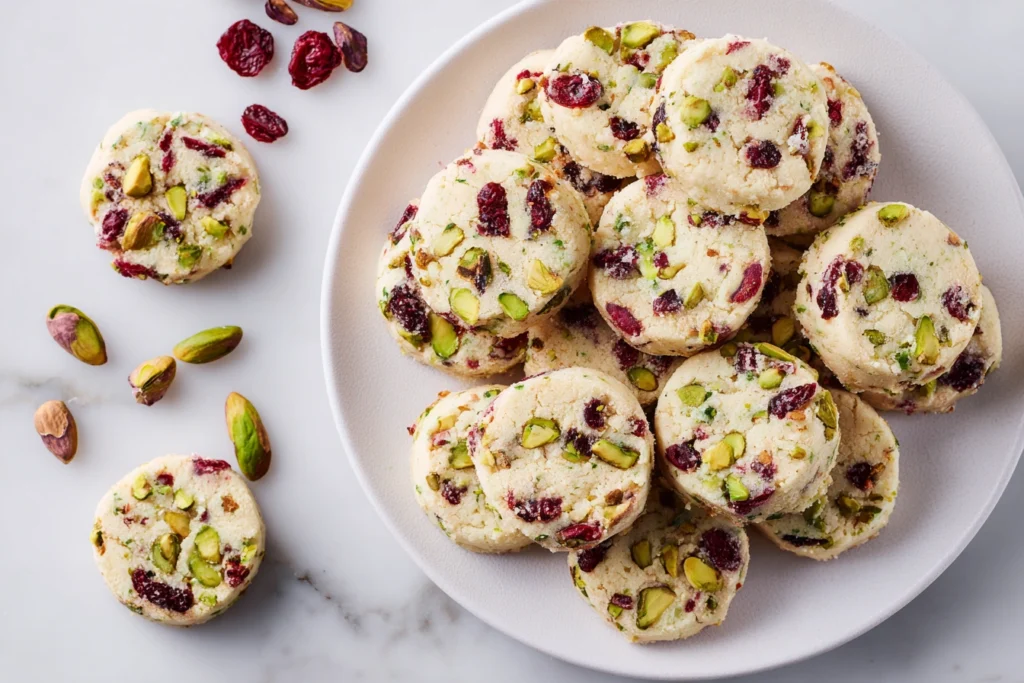
Shortbread is one of the most refined cookies in classic baking, known for its rich butter flavor, delicate crumb, and timeless simplicity. When enhanced with tart dried cranberries and crunchy pistachios, it transforms into something visually stunning and irresistibly flavorful. Cranberry pistachio shortbread cookies combine tradition with celebration, making them a favorite for holidays, special occasions, and elegant everyday treats. These cookies are beloved not because they are complicated, but because they rely on balance — rich butter softened by sweetness, gentle crunch contrasted with tender texture, and bright bursts of fruit that cut through the richness. With the right technique and quality ingredients, this recipe delivers bakery-level results straight from your home kitchen. Why These Cranberry Pistachio Shortbread Cookies Stand Out What makes cranberry pistachio shortbread cookies so special is their ability to feel indulgent without being heavy. Shortbread dough contains no eggs and very little sugar compared to other cookies, allowing the butter to shine. The cranberries add a subtle tang that keeps each bite fresh, while pistachios contribute texture and depth without overpowering the dough. Visually, these cookies are striking. The red and green elements create a naturally festive appearance, which is why they are often associated with winter celebrations. However, their flavor profile is balanced enough to enjoy year-round with coffee, tea, or as part of a dessert spread. Understanding the Nature of Shortbread Shortbread differs from most cookies because it is defined by restraint. There is no leavening agent, no eggs, and no aggressive mixing. The goal is tenderness, not height or chewiness. The hallmark of excellent cranberry pistachio shortbread cookies is a crumb that melts gently on the tongue while still holding its shape. This texture is achieved by using a high ratio of butter to flour and mixing only until the dough comes together. Overworking the dough develops gluten, which can make the cookies tough. Precision and patience are far more important than speed. Ingredient To Make Cranberry Pistachio Shortbread Cookies Butter Butter is the foundation of flavor. It should be unsalted, high quality, and softened to room temperature. Cold butter will not cream properly, while melted butter will compromise structure. In cranberry pistachio shortbread cookies, butter provides richness, aroma, and the signature tender bite. Sugar Sugar sweetens without dominating. Many bakers prefer granulated sugar for a slightly crisp edge, while powdered sugar creates a finer, softer crumb. Either option works as long as the sweetness remains subtle and balanced. Flour All-purpose flour provides structure. Measuring accurately is essential. Too much flour will result in dry cookies, while too little may cause spreading. The goal is a dough that is firm yet pliable. Dried Cranberries Cranberries introduce acidity and brightness. They should be chopped into smaller pieces to distribute evenly throughout the dough. This ensures that every slice of cranberry pistachio shortbread cookies has a balanced flavor rather than pockets of tartness. Pistachios Pistachios add crunch and visual contrast. Lightly chopping them prevents uneven baking. Toasting is optional but can enhance their nutty flavor if desired. Flavor Enhancers Vanilla extract adds warmth and depth. Citrus zest, especially orange, is a popular optional addition that pairs beautifully with both cranberries and pistachios without overwhelming the butter base. Step-by-Step Method Step 1: Preparation Allow the butter to reach room temperature. Chop the cranberries and pistachios evenly. Line baking sheets with parchment paper and set aside. Step 2: Creaming Cream the butter and sugar together until pale and fluffy. This step incorporates air and is essential for tender cranberry pistachio shortbread cookies. Do not rush this process. Step 3: Flavoring Add vanilla extract and optional citrus zest. Mix just until incorporated, allowing the aroma to blend evenly into the butter. Step 4: Adding Dry Ingredients Gradually add flour and salt, mixing on low speed or by hand. Stop mixing as soon as the dough comes together. Overmixing will affect the final texture. Step 5: Folding Add-Ins Gently fold in the chopped cranberries and pistachios. The dough should look evenly speckled without being overloaded. Step 6: Shaping and Chilling Divide the dough into logs about two inches in diameter. Wrap tightly and refrigerate for at least one hour. Chilling improves flavor, controls spreading, and allows for clean slicing — a crucial step when making cranberry pistachio shortbread cookies. Step 7: Baking Preheat the oven to 350°F (175°C). Slice the chilled dough into even rounds and place them on prepared baking sheets with space between each cookie. Bake until the edges are lightly golden while the centers remain pale. Step 8: Cooling Let the cookies cool briefly on the baking sheet before transferring them to a wire rack. As they cool, they will firm up while maintaining a delicate crumb. For an extra layer of pistachio richness, a spoonful of homemade pistachio syrup brings subtle sweetness and depth to desserts. Texture and Flavor Tips Following these principles ensures consistently excellent cranberry pistachio shortbread cookies. If you enjoy bold pistachio flavor, a smooth pistachio paste is a wonderful base for fillings, creams, and baked treats. Variations to Elevate the Cranberry Pistachio Shortbread Cookies Recipe While the classic version is timeless, subtle variations can add interest: Each variation keeps the integrity of cranberry pistachio shortbread cookies while offering a new experience. For a more indulgent pastry experience, pistachio croissants offer a beautiful balance of flaky texture and nutty filling. Storage and Make-Ahead Convenience Once baked and cooled, these cookies store well in an airtight container at room temperature for up to one week. The dough logs can also be frozen for up to two months, making cranberry pistachio shortbread cookies an excellent option for advance preparation during busy seasons. Serving Suggestions Serve these cookies with hot tea, espresso, or coffee. They are ideal for gift boxes, dessert platters, and festive gatherings. Their refined appearance makes them appropriate for both casual and formal occasions. Final Thoughts Cranberry pistachio shortbread cookies represent everything that makes classic baking beautiful: simplicity, balance, and attention to detail. With rich butter, subtle sweetness, and vibrant

Cranberry Pistachio Shortbread Cookies: Buttery Elegance with a Festive Touch Read More »

Pistachio Croissant

Pistachio Croissant: The Ultimate Guide to a Luxurious Bakery-Style Pastry at Home

The pistachio croissant is one of those pastries that instantly feels special. Flaky, buttery layers meet a rich, nutty pistachio filling, creating a balance that is indulgent without being overwhelming. Once a quiet favorite in artisan bakeries, the pistachio croissant has now become a global obsession, celebrated for its vibrant color, elegant flavor, and irresistible texture. In this in-depth guide, you’ll discover everything you need to know about making a perfect pistachio croissant at home—from understanding the pastry itself to preparing a smooth pistachio filling, assembling the croissants, and baking them to golden perfection. Whether you’re an experienced baker or a passionate home cook, this article will help you achieve bakery-quality results. What Makes a Pistachio Croissant So Special? A classic croissant is already a masterpiece of baking. Its crisp exterior and honeycomb interior come from a careful process of laminating dough with butter. A pistachio croissant builds on that foundation by adding a creamy pistachio component that enhances both flavor and appearance. Pistachios bring a subtle sweetness, a slightly earthy aroma, and a natural green hue that makes the pastry visually striking. Unlike overly sweet fillings, pistachio cream complements butter rather than competing with it. This harmony is why the pistachio croissant feels refined and luxurious rather than heavy. Another reason the pistachio croissant stands out is its versatility. It can be served as a breakfast pastry, an afternoon treat, or even a dessert when paired with coffee or tea. Understanding the Structure of a Pistachio Croissant To master the pistachios croissant, it helps to understand its structure. There are three essential elements: When these elements come together, the pistachio croissant becomes far more than the sum of its parts. Ingredients for the Perfect Pistachio Croissant For the Croissants For the Pistachio Cream Filling Optional Syrup (Highly Recommended) For Topping These ingredients are simple, but their quality matters. Using real pistachios rather than artificial flavoring makes a dramatic difference in the final pistachio croissant. How to Make Pistachio Croissant Filling The filling is what defines a pistachio croissant, so it deserves special attention. Step 1: Prepare the Pistachios Lightly toast the pistachios in a dry pan for a few minutes until fragrant. Let them cool completely. This step intensifies their flavor. Step 2: Grind the Pistachios Place the pistachios in a food processor and pulse until very finely ground. Be careful not to overprocess, or they may turn oily. Step 3: Make the Cream Add the sugar and butter to the ground pistachios and blend until smooth. Add the egg, vanilla, salt, and milk, then blend again until creamy and spreadable. The result should be a rich, smooth pistachio cream that holds its shape but spreads easily. This filling is the soul of a great pistachio croissant. Preparing the Croissants Step 1: Make the Syrup Combine sugar and water in a small saucepan. Heat gently until the sugar dissolves, then let it cool. This syrup keeps the pistachio croissant moist and enhances flavor. Step 2: Slice the Croissants Cut each croissant horizontally, like a sandwich, without cutting all the way through. Step 3: Brush with Syrup Lightly brush the inside of each croissant with the syrup. This step is subtle but makes a big difference in texture. Assembling the Pistachios Croissant Now comes the most satisfying part. At this stage, your pistachios croissant already looks like something from a high-end bakery. For a deeper pistachio flavor, you can enhance the filling with a drizzle of our homemade pistachio syrup, which adds subtle sweetness and aroma. Baking Instructions Let them cool for a few minutes, then dust lightly with powdered sugar if desired. If you prefer a more intense, authentic taste, this recipe pairs beautifully with our smooth pistachio paste, made from finely ground premium pistachios. Tips for Bakery-Style Pistachios Croissants These small details separate a good pistachios croissant from a truly exceptional one. For a lighter, creamier variation, some bakers like to incorporate pistachio milk into the filling for a delicate and balanced finish. Creative Pistachio Croissant Variations Once you’ve mastered the classic pistachio croissant, try these variations: Each variation keeps the pistachio croissant at the center while offering a new flavor experience. How to Serve and Store Pistachio Croissants Serving Serve a pistachio croissant with coffee, cappuccino, or green tea. It works beautifully for brunch, dessert, or a refined afternoon snack. Storage Store leftover pistachio croissants in an airtight container at room temperature for up to 2 days. Reheat briefly in the oven to restore crispness. Freezing You can freeze unbaked assembled pistachios croissants. Bake directly from frozen, adding a few extra minutes to the baking time. Why the Pistachio Croissant Is Worth Making at Home Making a pistachios croissant at home may feel intimidating, but the payoff is enormous. You control the quality of ingredients, the intensity of pistachio flavor, and the level of sweetness. Homemade versions often taste richer and fresher than bakery ones. Beyond taste, the pistachios croissant is a visual showstopper. Its green filling, golden crust, and delicate layers make it perfect for special occasions or simply treating yourself to something extraordinary. Final Thoughts The pistachios croissant is more than just a trend—it’s a timeless pastry that combines classic French technique with the distinctive elegance of pistachios. With flaky layers, creamy filling, and a perfectly balanced flavor, it’s easy to see why this pastry has captured the hearts of bakers and food lovers alike. This article draws inspiration from carefully selected expert resources, including detailed insights found here.

Pistachio Croissant: The Ultimate Guide to a Luxurious Bakery-Style Pastry at Home Read More »

Pistachio Muffins

Bakery-Style Pistachio Muffins: A Complete and Reliable Recipe Guide

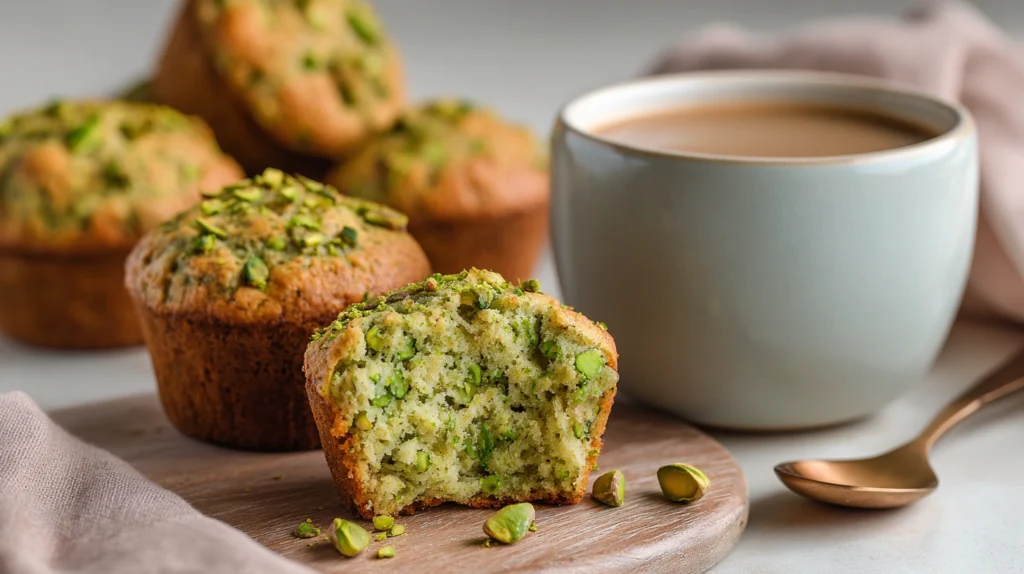
Baking at home becomes truly rewarding when the results rival those of a professional bakery. Few baked goods achieve this balance as effortlessly as pistachio muffins. With their soft interior, delicate nutty flavor, and visually appealing green tones, they feel elegant yet comforting at the same time. These muffins are perfect for breakfast, brunch, or a refined afternoon snack. This detailed guide will help you master bakery-style muffins using reliable techniques, balanced ingredients, and simple steps. The result is consistently moist, flavorful, and beautifully domed pistachio muffins that look as good as they taste. Why These Muffins Deserve a Place in Your Kitchen Pistachios bring a unique flavor that is subtly sweet, buttery, and slightly earthy. When baked into muffins, this flavor becomes gentle and well-rounded, making them appealing to a wide range of tastes. Unlike overly sweet pastries, pistachio muffins feel refined and balanced. Another reason they are so popular is their versatility. They can be kept simple for everyday enjoyment or enhanced with toppings, citrus notes, or glazes for special occasions. Their texture remains soft and tender, even a day or two after baking, making them an excellent make-ahead option. Ingredients That Make the Difference Each ingredient in this recipe plays a specific role in achieving the perfect texture and flavor. Dry Ingredients Wet Ingredients Optional Add-Ins These carefully selected ingredients work together to produce consistent, bakery-quality pistachio muffins. Step-by-Step Instructions 1. Preheat and Prepare Preheat your oven to 425°F (220°C). Line a standard muffin pan with paper liners or grease thoroughly. The high initial temperature is essential for achieving tall muffin tops. 2. Mix the Dry Ingredients In a large bowl, whisk together the flour, pistachio pudding mix, baking powder, salt, and sugar until evenly combined. 3. Combine the Wet Ingredients In another bowl, whisk the eggs, oil, melted butter, milk, sour cream, vanilla extract, and almond extract until smooth. 4. Combine Wet and Dry Add the dry mixture to the wet ingredients. Gently fold with a spatula until just combined. Avoid over-mixing, as this can lead to dense muffins. 5. Rest the Batter Allow the batter to rest for about 10 minutes. This step improves texture and promotes better rise during baking. 6. Fill the Muffin Cups Fill each cup almost to the top. Sprinkle chopped pistachios and coarse sugar over the batter for added crunch and visual appeal. 7. Bake Bake at 425°F (220°C) for 5 minutes, then reduce the temperature to 375°F (190°C) without opening the oven. Continue baking for 13–15 minutes until a toothpick comes out with a few moist crumbs. 8. Cool Let the muffins cool in the pan for 5 minutes before transferring them to a wire rack. At this stage, your pistachio muffins should be domed, golden, and fragrant. For a deeper pistachio flavor, you can also explore our homemade pistachio syrup, perfect for adding a subtle nutty sweetness to baked goods and drinks. Professional Baking Tips These small details make a noticeable difference in the final pistachio muffins. Flavor Variations Lemon Pistachio Add lemon zest to the batter for a fresh, bright contrast. Chocolate Pistachio Fold in white or dark chocolate chips for a richer version. Glazed Version Top cooled muffins with a light vanilla glaze for extra elegance. Jumbo Size Use a jumbo muffin pan and adjust baking time for oversized pistachio muffins. If you enjoy working with rich, concentrated flavors, our pistachio paste is an excellent option for enhancing both desserts and pastries. Storage and Freezing Store muffins in an airtight container at room temperature for up to three days. For longer storage, refrigerate for up to five days. To freeze, wrap each muffin individually and store in a freezer-safe container for up to two months. Thaw at room temperature or warm gently before serving. Proper storage preserves the moisture and flavor of pistachio muffins. For a lighter and dairy-free alternative, our pistachio milk offers a smooth, aromatic way to extend pistachio flavor beyond baking. Common Mistakes to Avoid Avoiding these mistakes ensures consistently soft pistachio muffins. Why This Recipe Works Every Time The combination of oil, butter, and pudding mix guarantees moisture. The balance of extracts enhances flavor without overpowering it. Proper temperature control creates bakery-style structure and appearance. This approach results in pistachio muffins that are tender, flavorful, and visually appealing every single time. Final Thoughts Baking pistachio muffins at home is simple when the right techniques are used. With carefully chosen ingredients, controlled mixing, and proper baking temperatures, you can achieve professional results in your own kitchen. These pistachio muffins are elegant enough for guests yet comforting enough for everyday enjoyment. Once you try them, they are likely to become a regular favorite in your baking routine. To ensure accuracy and depth, we consulted trusted external references that helped shape and inform this content

Bakery-Style Pistachio Muffins: A Complete and Reliable Recipe Guide Read More »